


Gifting Made Simple
Give the Gift of ChoiceClick below to purchase a Prairie Mall eGift Card that can be used at participating retailers at Prairie Mall.Buy Gift CardHome
The Conquest Of Bread
Coles
Loading Inventory...
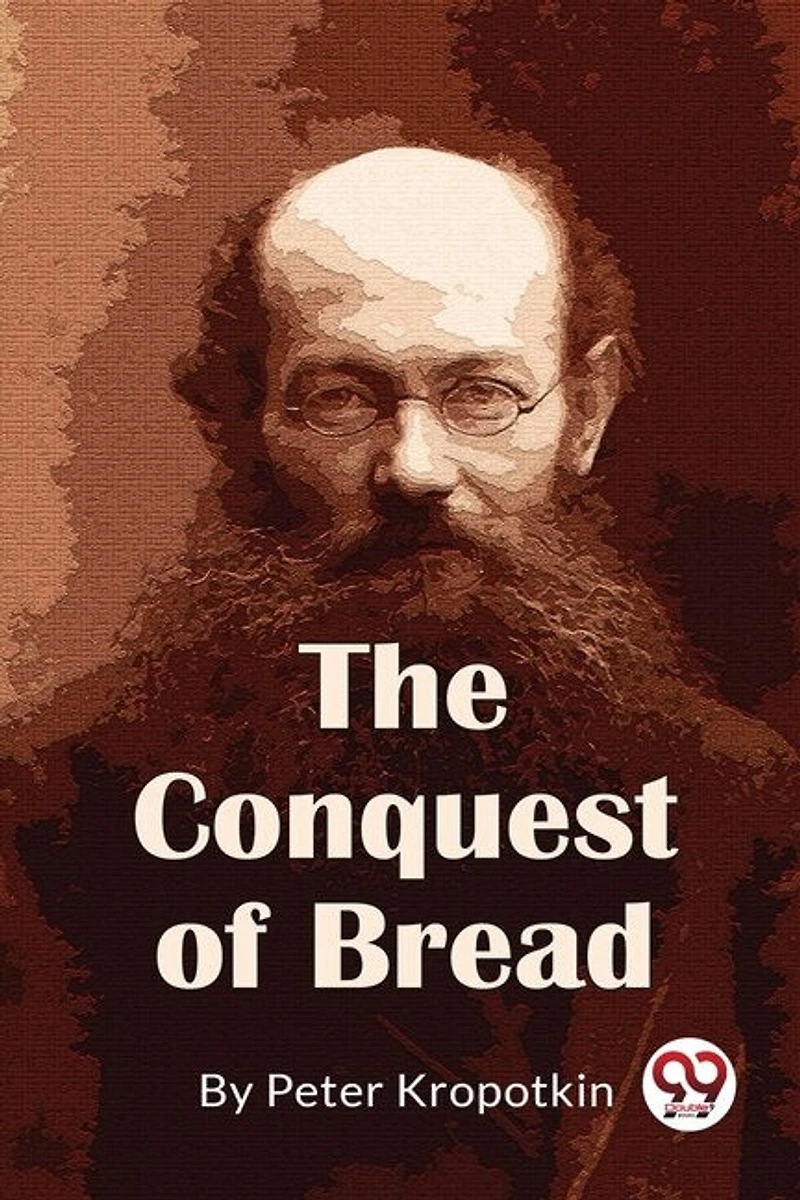
The Conquest Of Bread in Grande Prairie, AB
Current price: $25.99
Coles
The Conquest Of Bread in Grande Prairie, AB
Current price: $25.99
Loading Inventory...
Size: Paperback
*Product information and pricing may vary - to confirm current pricing, availability, shipping, and return information please contact Coles. In the event of a pricing discrepancy, the retailer's price will apply.
The Russian anarcho-communist author Peter Kropotkin published The Conquest of Bread, also known as The Bread Book, in 1892. Kropotkin contends that since all intellectual and useful property was produced via social labor, it should be considered common property. Since every person depends on the intellectual and physical labor of those who came before them as well as those who created the environment around them, every individual product is fundamentally the work of everyone. Kropotkin creates an illustration of what he imagines an anarcho-communist society may be. He cites the enormous levels of productivity attained by current industrial civilization as proof that such a society is feasible. He contends that sufficient amounts of the necessities are generated to meet everyone's wants; if only they were correctly distributed, no one would have any unfulfilled demands. According to Kropotkin, if given the opportunity to labor independently and the assurance of material security, people will work freely in cooperative factories that produce clothing or in communal gardens. He warns against the concentration of industry by the state, advises against more authoritarian socialism, and asserts that any revolution must ensure that workers and revolutionaries have access to food and freedom.
The Russian anarcho-communist author Peter Kropotkin published The Conquest of Bread, also known as The Bread Book, in 1892. Kropotkin contends that since all intellectual and useful property was produced via social labor, it should be considered common property. Since every person depends on the intellectual and physical labor of those who came before them as well as those who created the environment around them, every individual product is fundamentally the work of everyone. Kropotkin creates an illustration of what he imagines an anarcho-communist society may be. He cites the enormous levels of productivity attained by current industrial civilization as proof that such a society is feasible. He contends that sufficient amounts of the necessities are generated to meet everyone's wants; if only they were correctly distributed, no one would have any unfulfilled demands. According to Kropotkin, if given the opportunity to labor independently and the assurance of material security, people will work freely in cooperative factories that produce clothing or in communal gardens. He warns against the concentration of industry by the state, advises against more authoritarian socialism, and asserts that any revolution must ensure that workers and revolutionaries have access to food and freedom.
You May Also Like












Find at Prairie Mall in Grande Prairie, AB
Visit at Prairie Mall in Grande Prairie, AB