


Gifting Made Simple
Give the Gift of ChoiceClick below to purchase a Prairie Mall eGift Card that can be used at participating retailers at Prairie Mall.Buy Gift CardHome
The Conception Of God Later Royce
Coles
Loading Inventory...
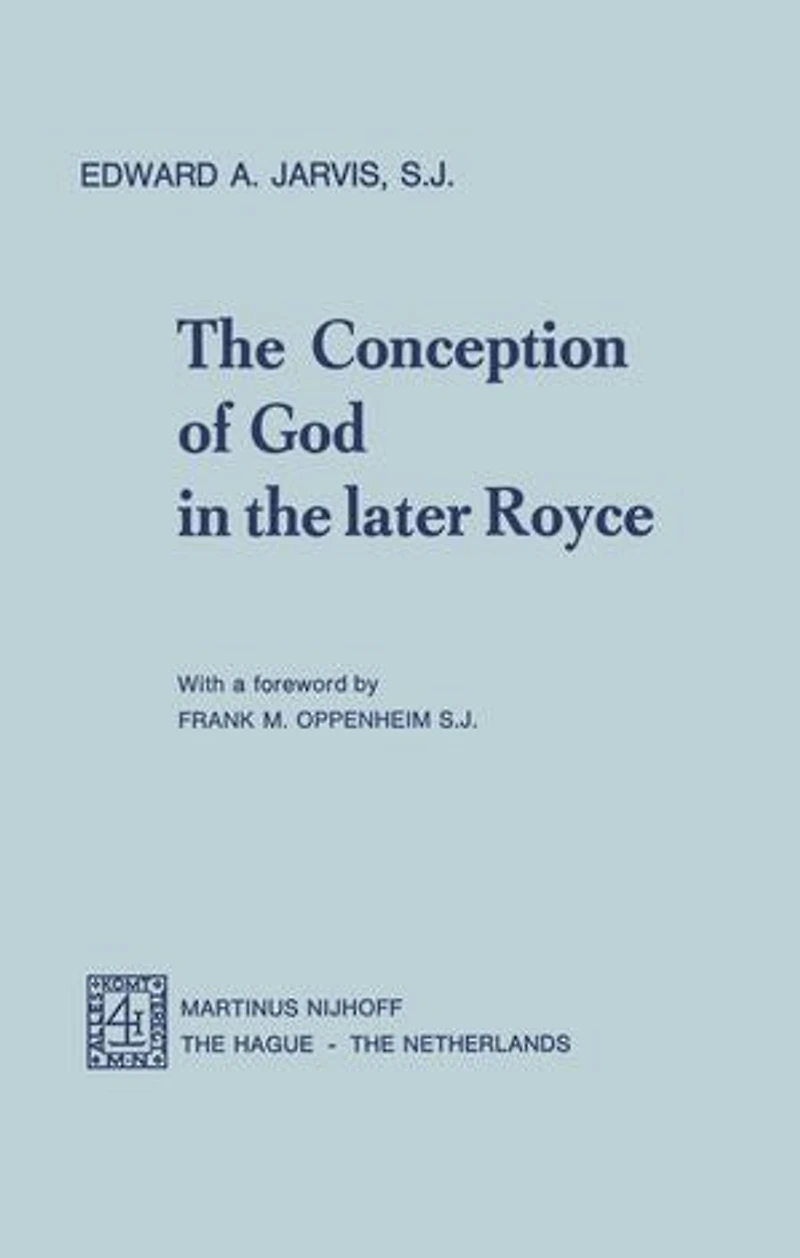
The Conception Of God Later Royce in Grande Prairie, AB
Current price: $116.09
Original price: $145.12
Coles
The Conception Of God Later Royce in Grande Prairie, AB
Current price: $116.09
Original price: $145.12
Loading Inventory...
Size: Kobo eBook
*Product information and pricing may vary - to confirm current pricing, availability, shipping, and return information please contact Coles. In the event of a pricing discrepancy, the retailer's price will apply.
Dr. Jarvis kindly invited me to undertake this Foreword. According to his suggestion, I here intend to complement his work by creating a context for it. To do so, prior notice of a common misrepresentation of Royce and of his contemporary relevance seems needed, before briefly sketching his biography and interest in religion. Finally, to orient the reader to the present study, I will point out Royce's main works and the spirit of the man. In the year 2150 A. D., what will people be saying about Harvard? If the reported prediction of a self -effacing William James comes true, the common answer will be, "Harvard? Oh, that's the place where Royce taught. " And yet, now that almost a century has passed since Royce began teaching at Harvard, most Americans do not recognize the name "Josiah Royce. " Of those who do, few know him as a significant American philosopher of community. And of these few, far fewer recall either that religious problems first drove Royce to philosophy or that he said such problems "of all human interests, deserve our best efforts and our utmost loyalty. " 1 Little wonder, then, that when Americans survey our "classic" philosophers-Peirce, James, Royce, Santayana, Dewey, Whitehead-few of them respond to Royce as the most explicitly and persistently religious philosopher of them all. Fortunately, however, popularity contests do not accurately weigh the merit of a philosopher.
Dr. Jarvis kindly invited me to undertake this Foreword. According to his suggestion, I here intend to complement his work by creating a context for it. To do so, prior notice of a common misrepresentation of Royce and of his contemporary relevance seems needed, before briefly sketching his biography and interest in religion. Finally, to orient the reader to the present study, I will point out Royce's main works and the spirit of the man. In the year 2150 A. D., what will people be saying about Harvard? If the reported prediction of a self -effacing William James comes true, the common answer will be, "Harvard? Oh, that's the place where Royce taught. " And yet, now that almost a century has passed since Royce began teaching at Harvard, most Americans do not recognize the name "Josiah Royce. " Of those who do, few know him as a significant American philosopher of community. And of these few, far fewer recall either that religious problems first drove Royce to philosophy or that he said such problems "of all human interests, deserve our best efforts and our utmost loyalty. " 1 Little wonder, then, that when Americans survey our "classic" philosophers-Peirce, James, Royce, Santayana, Dewey, Whitehead-few of them respond to Royce as the most explicitly and persistently religious philosopher of them all. Fortunately, however, popularity contests do not accurately weigh the merit of a philosopher.









Find at Prairie Mall in Grande Prairie, AB
Visit at Prairie Mall in Grande Prairie, AB