


Gifting Made Simple
Give the Gift of ChoiceClick below to purchase a Prairie Mall eGift Card that can be used at participating retailers at Prairie Mall.Buy Gift CardHome
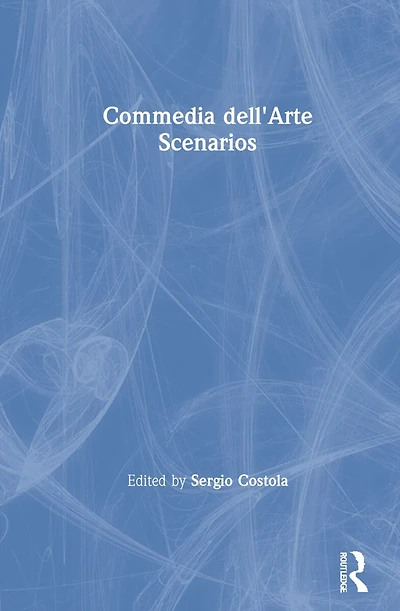
The Commedia dell'Arte
Coles
Loading Inventory...
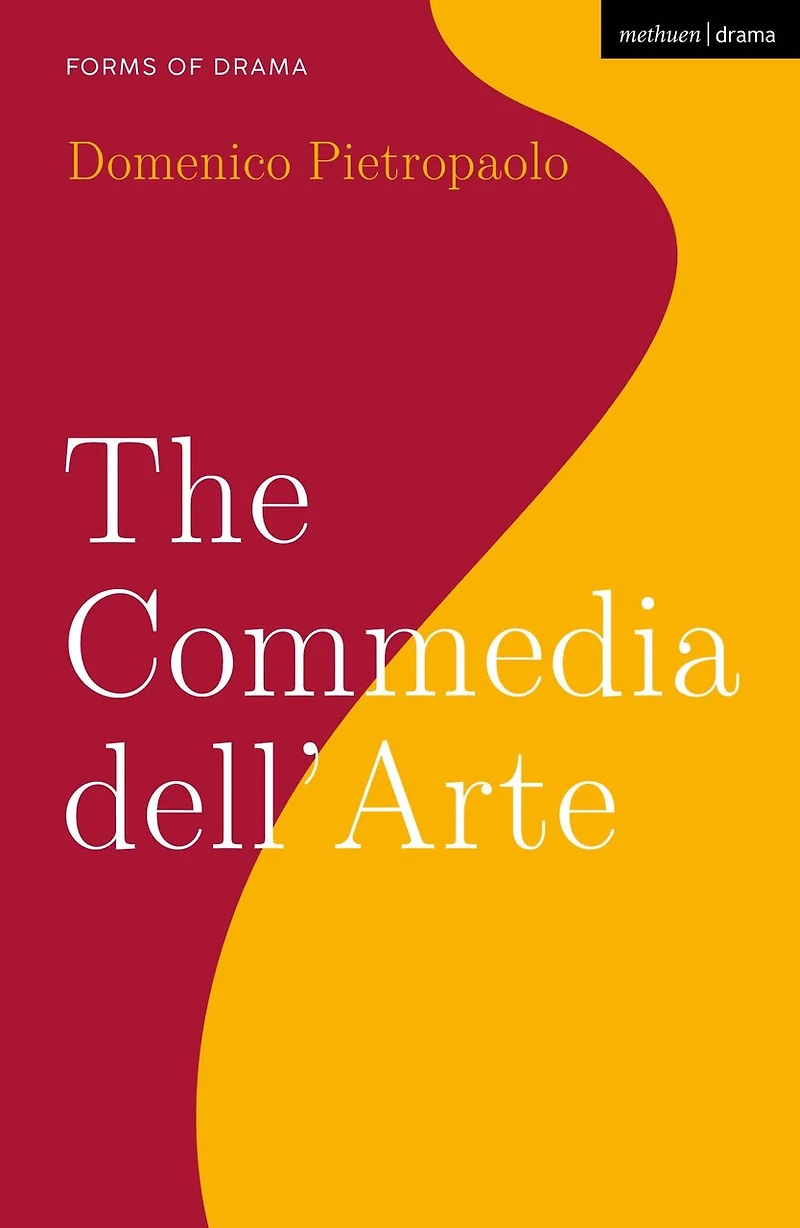
The Commedia dell'Arte in Grande Prairie, AB
Current price: $109.50
Coles
The Commedia dell'Arte in Grande Prairie, AB
Current price: $109.50
Loading Inventory...
Size: Hardcover
*Product information and pricing may vary - to confirm current pricing, availability, shipping, and return information please contact Coles. In the event of a pricing discrepancy, the retailer's price will apply.
What were the origins of commedia dell'arte and how did it evolve as a dramatic form over time and as it spread from Italy? How did its relationship to the ruling ideology of the day change during the Enlightenment? What is its legacy today? These are just some of the questions addressed in this authoritative overview of the dramatic, ideological and aesthetic form of commedia dell'arte. The book's 3 sections examine the changing role of performers and playwrights, improvisatory scenarios and scripted performance, and its function as a vehicle for social criticism, to offer readers a clear understanding of commedia dell'arte's evolution in Renaissance Italy and beyond. This study throws new light on the role of women performers; on the changing ideological discourse of commedia dell'arte, which included social reform and, later, conservatism as well as the alienation of ethnic minorities in complicity with its audience; and on its later adaptation into hybrid forms including grotesque dance and the giullarata typified by the work of Dario Fo.
What were the origins of commedia dell'arte and how did it evolve as a dramatic form over time and as it spread from Italy? How did its relationship to the ruling ideology of the day change during the Enlightenment? What is its legacy today? These are just some of the questions addressed in this authoritative overview of the dramatic, ideological and aesthetic form of commedia dell'arte. The book's 3 sections examine the changing role of performers and playwrights, improvisatory scenarios and scripted performance, and its function as a vehicle for social criticism, to offer readers a clear understanding of commedia dell'arte's evolution in Renaissance Italy and beyond. This study throws new light on the role of women performers; on the changing ideological discourse of commedia dell'arte, which included social reform and, later, conservatism as well as the alienation of ethnic minorities in complicity with its audience; and on its later adaptation into hybrid forms including grotesque dance and the giullarata typified by the work of Dario Fo.
You May Also Like










Find at Prairie Mall in Grande Prairie, AB
Visit at Prairie Mall in Grande Prairie, AB