


Gifting Made Simple
Give the Gift of ChoiceClick below to purchase a Prairie Mall eGift Card that can be used at participating retailers at Prairie Mall.Buy Gift CardHome
The Class Reunion—An Annotated Translation and Commentary on the Sumerian Dialogue Two Scribes
Coles
Loading Inventory...
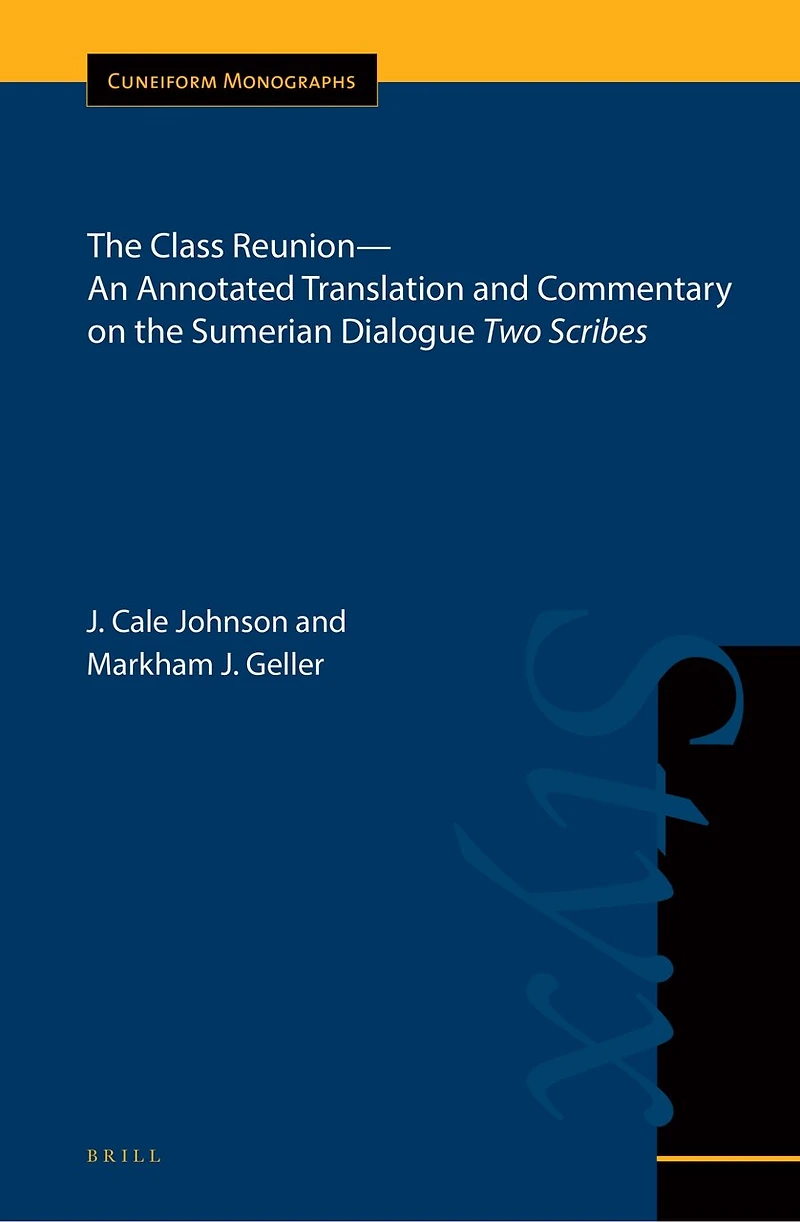
The Class Reunion—An Annotated Translation and Commentary on the Sumerian Dialogue Two Scribes in Grande Prairie, AB
Current price: $280.99
Coles
The Class Reunion—An Annotated Translation and Commentary on the Sumerian Dialogue Two Scribes in Grande Prairie, AB
Current price: $280.99
Loading Inventory...
Size: Hardcover
*Product information and pricing may vary - to confirm current pricing, availability, shipping, and return information please contact Coles. In the event of a pricing discrepancy, the retailer's price will apply.
In The Class Reunion—An Annotated Translation and Commentary on the Sumerian Dialogue Two Scribes, J. Cale Johnson and Markham J. Geller present a critical edition, translation and commentary on the Sumerian scholastic dialogue otherwise known as Two Scribes, Streit zweier Schulabsolventen or Dialogue 1. The two protagonists, the Professor and the Bureaucrat, each ridicule their opponent in alternating speeches, while at the same time scoring points based on their detailed knowledge of Sumerian lexical and literary traditions. But they also represent the two social roles into which nearly all graduates of the Old Babylonian Tablet House typically gained entrance. So the dialogue also reflects on larger themes such as professional identity and the nature of scholastic activity in Mesopotamia in the Old Babylonian period (ca. 1800–1600 BCE).
In The Class Reunion—An Annotated Translation and Commentary on the Sumerian Dialogue Two Scribes, J. Cale Johnson and Markham J. Geller present a critical edition, translation and commentary on the Sumerian scholastic dialogue otherwise known as Two Scribes, Streit zweier Schulabsolventen or Dialogue 1. The two protagonists, the Professor and the Bureaucrat, each ridicule their opponent in alternating speeches, while at the same time scoring points based on their detailed knowledge of Sumerian lexical and literary traditions. But they also represent the two social roles into which nearly all graduates of the Old Babylonian Tablet House typically gained entrance. So the dialogue also reflects on larger themes such as professional identity and the nature of scholastic activity in Mesopotamia in the Old Babylonian period (ca. 1800–1600 BCE).
You May Also Like











Find at Prairie Mall in Grande Prairie, AB
Visit at Prairie Mall in Grande Prairie, AB