


Gifting Made Simple
Give the Gift of ChoiceClick below to purchase a Prairie Mall eGift Card that can be used at participating retailers at Prairie Mall.Buy Gift CardHome
the Cinema Ideal: An Introduction to Psychoanalytic Studies of Film Spectator
Coles
Loading Inventory...
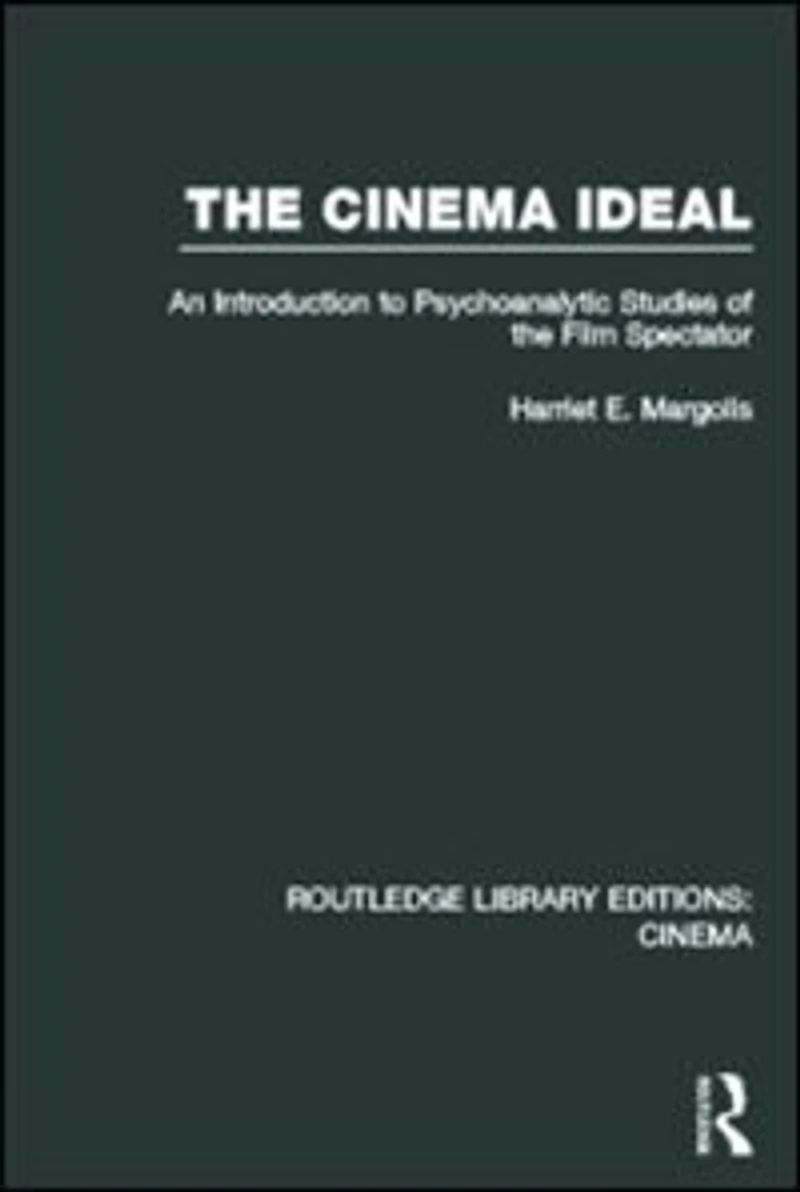
the Cinema Ideal: An Introduction to Psychoanalytic Studies of Film Spectator in Grande Prairie, AB
Current price: $333.50
Coles
the Cinema Ideal: An Introduction to Psychoanalytic Studies of Film Spectator in Grande Prairie, AB
Current price: $333.50
Loading Inventory...
Size: Hardcover
*Product information and pricing may vary - to confirm current pricing, availability, shipping, and return information please contact Coles. In the event of a pricing discrepancy, the retailer's price will apply.
This study explores the model derived from Freudian and Lacanian psychoanalysis, via Marxism and semiotics, of looking at film. It retraces the steps of film theory from ideological criticism of the late '60s to spectator studies in 1988 when the book was originally published. Psychoanalysis enables a discussion of the cinema's role as a social and political force and this book enters a discourse of the politics of representation. Reconstructing discussion of basic issues, the book addresses our instincts and defences in reacting to cinema, the similarity between mental processes and cinematic technique, narrative techniques and the 'cinematic apparatus'. Importantly, the book concerns itself with the concept of ideology and how the filmviewing experience engages the spectator in a complex net of stimuli presenting representations of an ideal world and the effect of this within film studies.
This study explores the model derived from Freudian and Lacanian psychoanalysis, via Marxism and semiotics, of looking at film. It retraces the steps of film theory from ideological criticism of the late '60s to spectator studies in 1988 when the book was originally published. Psychoanalysis enables a discussion of the cinema's role as a social and political force and this book enters a discourse of the politics of representation. Reconstructing discussion of basic issues, the book addresses our instincts and defences in reacting to cinema, the similarity between mental processes and cinematic technique, narrative techniques and the 'cinematic apparatus'. Importantly, the book concerns itself with the concept of ideology and how the filmviewing experience engages the spectator in a complex net of stimuli presenting representations of an ideal world and the effect of this within film studies.
You May Also Like








Find at Prairie Mall in Grande Prairie, AB
Visit at Prairie Mall in Grande Prairie, AB