


Gifting Made Simple
Give the Gift of ChoiceClick below to purchase a Prairie Mall eGift Card that can be used at participating retailers at Prairie Mall.Buy Gift CardHome
The Christian Gospel and Its Jewish Roots: A Redaction-Critical Study of Mark 2:21-22 in Context
Coles
Loading Inventory...
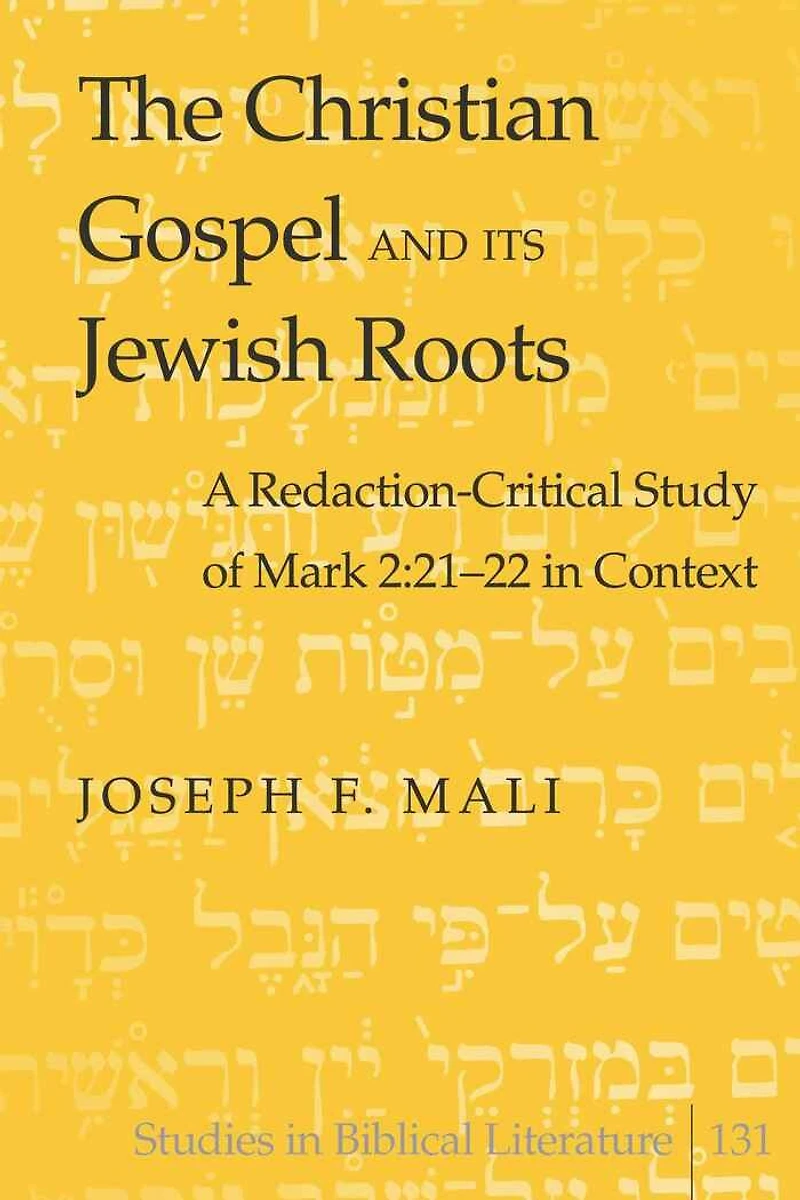
The Christian Gospel and Its Jewish Roots: A Redaction-Critical Study of Mark 2:21-22 in Context in Grande Prairie, AB
Current price: $152.30
Coles
The Christian Gospel and Its Jewish Roots: A Redaction-Critical Study of Mark 2:21-22 in Context in Grande Prairie, AB
Current price: $152.30
Loading Inventory...
Size: Hardcover
*Product information and pricing may vary - to confirm current pricing, availability, shipping, and return information please contact Coles. In the event of a pricing discrepancy, the retailer's price will apply.
The Christian Gospel and Its Jewish Roots goes against the tendency to interpret Scripture in ways that separate Christianity and Judaism. Through a redaction-critical analysis of the two sayings on the new and the old (Mark 2:21-22), the author argues that Mark does not leave his readers with a complete break between Jesus and his Jewish heritage. Rather, the Evangelist opens a ray of hope that the gospel and its Jewish soil are ultimately reconcilable, not fatally antagonistic. With thorough and incisive study, this work reaches the conclusion that standing at the literary center of the controversy series (Mark 2:1-3:6), the location of the two sayings on new and old (Mark 2:21-22) corresponds to their function of making a condensed statement for Mark, the Evangelist, of the meaning and impact of the whole conflict section.
The Christian Gospel and Its Jewish Roots goes against the tendency to interpret Scripture in ways that separate Christianity and Judaism. Through a redaction-critical analysis of the two sayings on the new and the old (Mark 2:21-22), the author argues that Mark does not leave his readers with a complete break between Jesus and his Jewish heritage. Rather, the Evangelist opens a ray of hope that the gospel and its Jewish soil are ultimately reconcilable, not fatally antagonistic. With thorough and incisive study, this work reaches the conclusion that standing at the literary center of the controversy series (Mark 2:1-3:6), the location of the two sayings on new and old (Mark 2:21-22) corresponds to their function of making a condensed statement for Mark, the Evangelist, of the meaning and impact of the whole conflict section.
You May Also Like











Find at Prairie Mall in Grande Prairie, AB
Visit at Prairie Mall in Grande Prairie, AB