


Gifting Made Simple
Give the Gift of ChoiceClick below to purchase a Prairie Mall eGift Card that can be used at participating retailers at Prairie Mall.Buy Gift CardHome
The Changing Nature of Eco/Feminism: Telling Stories from Clayoquot Sound
Coles
Loading Inventory...
The Changing Nature of Eco/Feminism: Telling Stories from Clayoquot Sound in Grande Prairie, AB
Current price: $95.00
Coles
The Changing Nature of Eco/Feminism: Telling Stories from Clayoquot Sound in Grande Prairie, AB
Current price: $95.00
Loading Inventory...
Size: Hardcover
*Product information and pricing may vary - to confirm current pricing, availability, shipping, and return information please contact Coles. In the event of a pricing discrepancy, the retailer's price will apply.
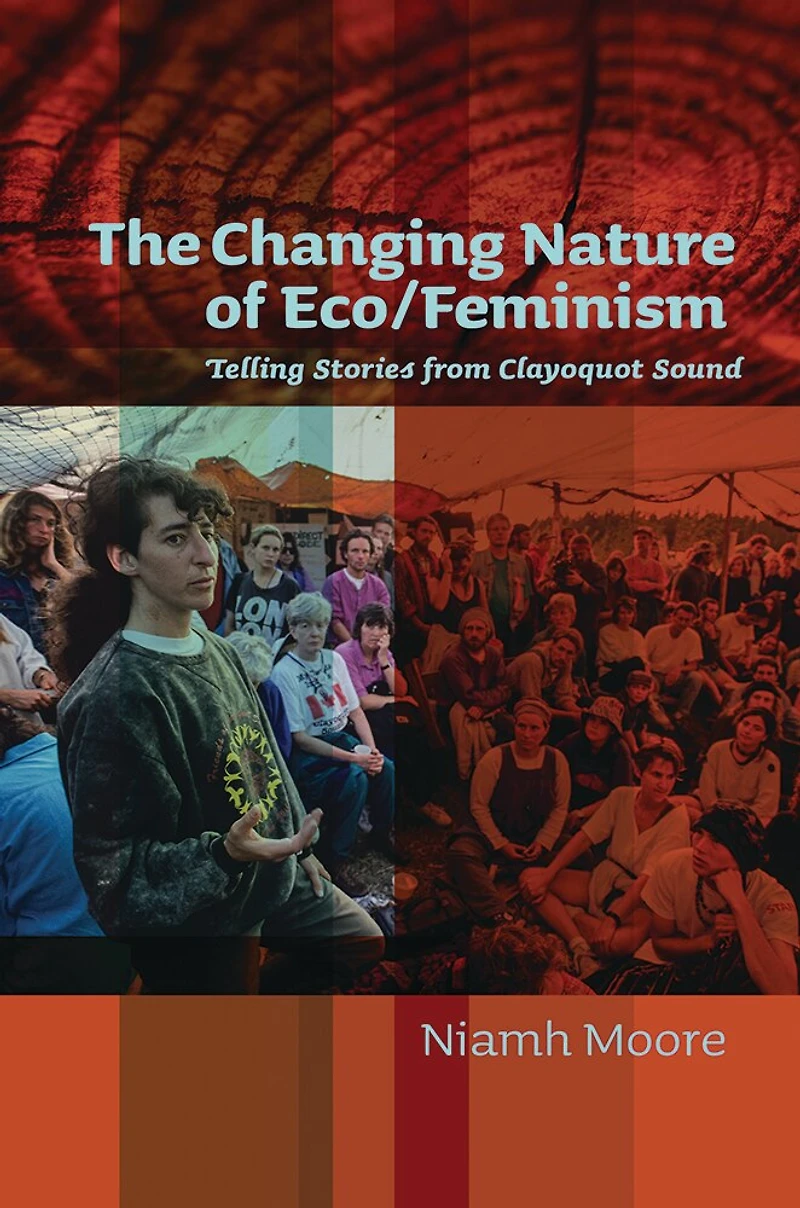
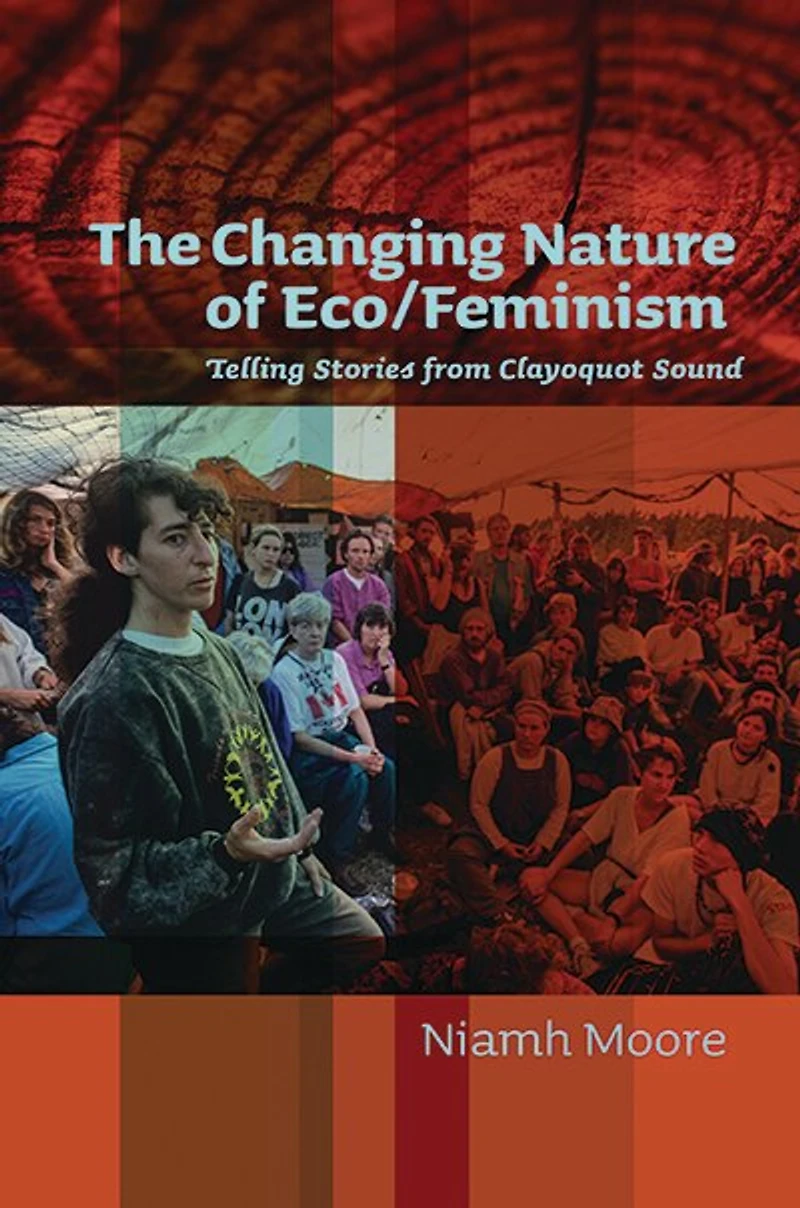
In the summer of 1993, activists set up a peace camp blocking a logging road into an extensive area of temperate rainforest in Clayoquot Sound that was slated for clear-cutting. Twenty-odd years later, Clayoquot holds a prominent place in environmental discourse, yet it is not generally associated with feminist or eco/feminist movements.
The Changing Nature of Eco/Feminism argues that Clayoquot offers a potent site for examining a whole range of feminist issues. Through a careful study of eco/feminist activism against clear-cut logging practices in British Columbia, the book explores how a transnational eco/feminist practice insisted on an account of logging situated in histories of colonialism, holding the Canadian state to account for its deforestation practices. Moore demonstrates that the sheer vitality of eco/feminist politics at the Peace Camp in the summer of 1993 confounded dominant narratives of contemporary feminism and has re-imagined eco/feminist politics for new times.
In the summer of 1993, activists set up a peace camp blocking a logging road into an extensive area of temperate rainforest in Clayoquot Sound that was slated for clear-cutting. Twenty-odd years later, Clayoquot holds a prominent place in environmental discourse, yet it is not generally associated with feminist or eco/feminist movements.
The Changing Nature of Eco/Feminism argues that Clayoquot offers a potent site for examining a whole range of feminist issues. Through a careful study of eco/feminist activism against clear-cut logging practices in British Columbia, the book explores how a transnational eco/feminist practice insisted on an account of logging situated in histories of colonialism, holding the Canadian state to account for its deforestation practices. Moore demonstrates that the sheer vitality of eco/feminist politics at the Peace Camp in the summer of 1993 confounded dominant narratives of contemporary feminism and has re-imagined eco/feminist politics for new times.
You May Also Like


















Find at Prairie Mall in Grande Prairie, AB
Visit at Prairie Mall in Grande Prairie, AB