


Gifting Made Simple
Give the Gift of ChoiceClick below to purchase a Prairie Mall eGift Card that can be used at participating retailers at Prairie Mall.Buy Gift CardHome
The British Nuclear Experience: The Roles of Beliefs, Culture and Identity
Coles
Loading Inventory...
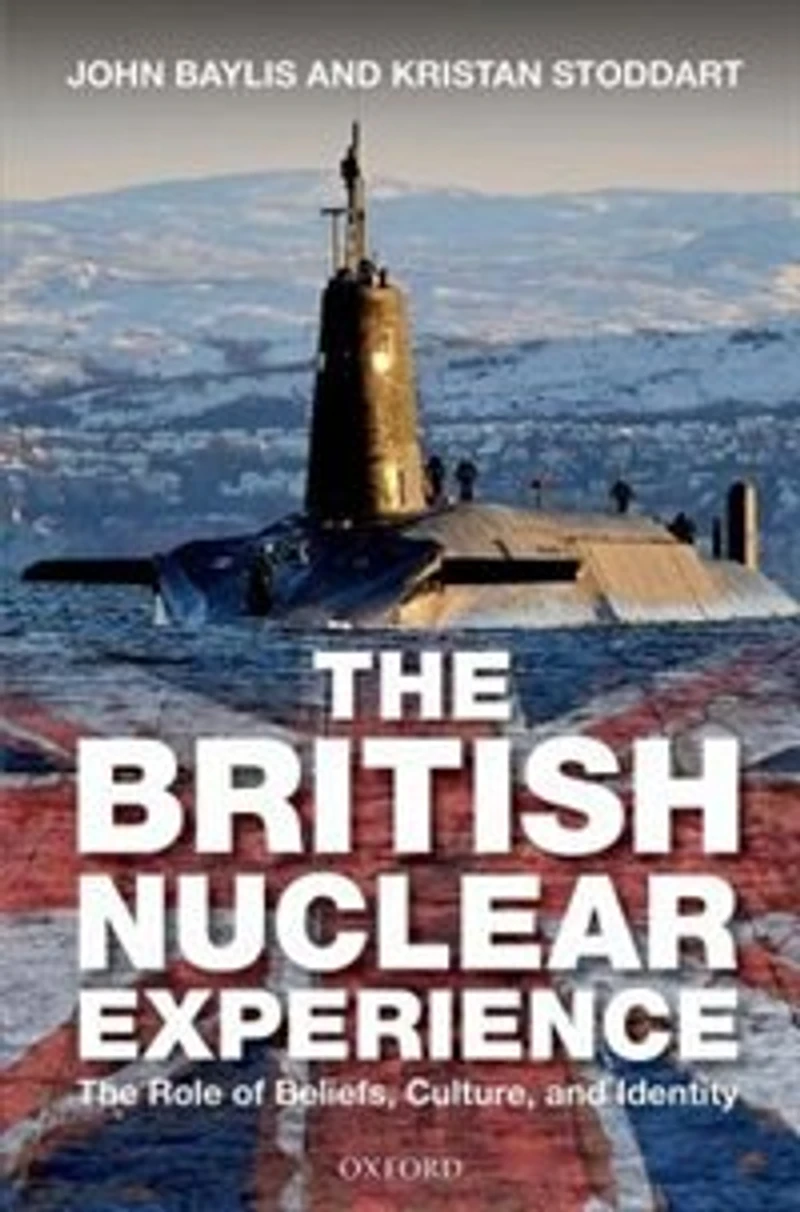
The British Nuclear Experience: The Roles of Beliefs, Culture and Identity in Grande Prairie, AB
Current price: $220.50
Coles
The British Nuclear Experience: The Roles of Beliefs, Culture and Identity in Grande Prairie, AB
Current price: $220.50
Loading Inventory...
Size: Hardcover
*Product information and pricing may vary - to confirm current pricing, availability, shipping, and return information please contact Coles. In the event of a pricing discrepancy, the retailer's price will apply.
Based on a detailed analysis of archives and high level interviews this book looks at the role of beliefs, culture and identity in the making of British nuclear policy from 1945 through to the present day. This book also examines Britain's nuclear experience by moving away from traditional interpretations of why states develop and maintain nuclear weapons by adopting a more contemporary approach to political theory.
Traditional mainstream explanations tend to stress the importance of factors such as the "maximization of power', the pursuit of 'national security interests" and the role of "structure" in a largely anarchic international system. This book does not dismiss these approaches, but argues that British experience suggests that focusing on "beliefs", "culture" and "identity", provides a more useful insight and distinctive interpretation into the process of British nuclear decision making than the more traditional approaches.
Based on a detailed analysis of archives and high level interviews this book looks at the role of beliefs, culture and identity in the making of British nuclear policy from 1945 through to the present day. This book also examines Britain's nuclear experience by moving away from traditional interpretations of why states develop and maintain nuclear weapons by adopting a more contemporary approach to political theory.
Traditional mainstream explanations tend to stress the importance of factors such as the "maximization of power', the pursuit of 'national security interests" and the role of "structure" in a largely anarchic international system. This book does not dismiss these approaches, but argues that British experience suggests that focusing on "beliefs", "culture" and "identity", provides a more useful insight and distinctive interpretation into the process of British nuclear decision making than the more traditional approaches.
You May Also Like











Find at Prairie Mall in Grande Prairie, AB
Visit at Prairie Mall in Grande Prairie, AB