


Gifting Made Simple
Give the Gift of ChoiceClick below to purchase a Prairie Mall eGift Card that can be used at participating retailers at Prairie Mall.Buy Gift CardHome
The Basque Seroras: Local Religion, Gender, and Power Northern Iberia, 1550–1800
Coles
Loading Inventory...
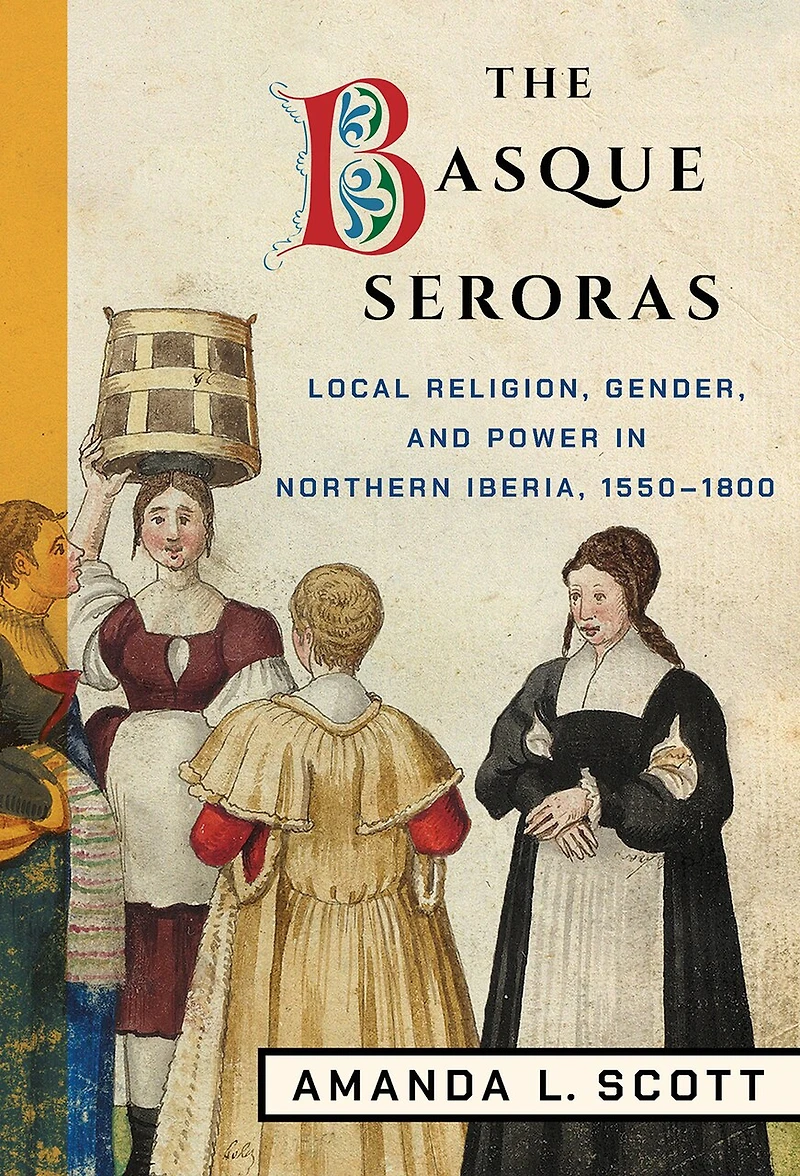
The Basque Seroras: Local Religion, Gender, and Power Northern Iberia, 1550–1800 in Grande Prairie, AB
Current price: $80.99
Coles
The Basque Seroras: Local Religion, Gender, and Power Northern Iberia, 1550–1800 in Grande Prairie, AB
Current price: $80.99
Loading Inventory...
Size: Hardcover
*Product information and pricing may vary - to confirm current pricing, availability, shipping, and return information please contact Coles. In the event of a pricing discrepancy, the retailer's price will apply.
The Basque Seroras explores the intersections between local community, women's work, and religious reform in early modern northern Spain. Amanda L. Scott illuminates the lives of these uncloistered religious women, who took no vows and were free to leave the religious life if they chose. Their vocation afforded them considerably more autonomy and, in some ways, liberty, than nuns or wives. Scott's archival work recovers the surprising ubiquity of seroras, with every Basque parish church employing at least one. Their central position in local religious life revises how we think about the social and religious limitations placed on early modern women. By situating the seroras within the social dynamics and devotional life of their communities, The Basque Seroras reconceives of female religious life and the opportunities it could provide. It also shows how these devout laywomen were instrumental in the process of negotiated reform during the Counter-Reformation.
The Basque Seroras explores the intersections between local community, women's work, and religious reform in early modern northern Spain. Amanda L. Scott illuminates the lives of these uncloistered religious women, who took no vows and were free to leave the religious life if they chose. Their vocation afforded them considerably more autonomy and, in some ways, liberty, than nuns or wives. Scott's archival work recovers the surprising ubiquity of seroras, with every Basque parish church employing at least one. Their central position in local religious life revises how we think about the social and religious limitations placed on early modern women. By situating the seroras within the social dynamics and devotional life of their communities, The Basque Seroras reconceives of female religious life and the opportunities it could provide. It also shows how these devout laywomen were instrumental in the process of negotiated reform during the Counter-Reformation.
You May Also Like










Find at Prairie Mall in Grande Prairie, AB
Visit at Prairie Mall in Grande Prairie, AB