


Gifting Made Simple
Give the Gift of ChoiceClick below to purchase a Prairie Mall eGift Card that can be used at participating retailers at Prairie Mall.Buy Gift CardHome
The Apollo Spacecraft - A Chronology: Volume II - November 8, 1962 - September 30, 1964
Coles
Loading Inventory...
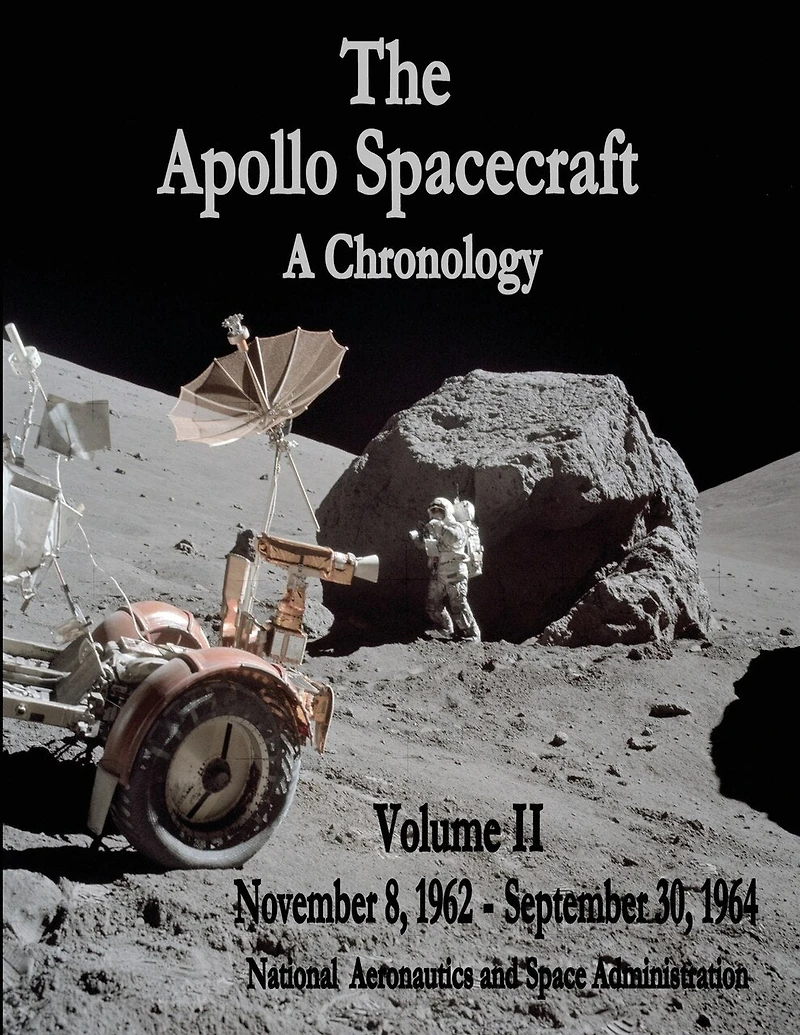
The Apollo Spacecraft - A Chronology: Volume II - November 8, 1962 - September 30, 1964 in Grande Prairie, AB
Current price: $28.95
Coles
The Apollo Spacecraft - A Chronology: Volume II - November 8, 1962 - September 30, 1964 in Grande Prairie, AB
Current price: $28.95
Loading Inventory...
Size: Paperback
*Product information and pricing may vary - to confirm current pricing, availability, shipping, and return information please contact Coles. In the event of a pricing discrepancy, the retailer's price will apply.
This, the second volume of the Apollo Spacecraft Chronology, takes up the story where the first left off, in November 1962. The first volume dealt with the birth of the Apollo Program and traced its early development. The second concerns its teenage period, up to September 30, 1964. By late 1962 the broad conceptual design of the Apollo spacecraft and the Apollo lunar landing mission was complete. The Administrator formally advised the President of the United States on December 10 that NASA had selected lunar orbit rendezvous over direct ascent and earth orbit rendezvous as the mode for landing on the moon. All major spacecraft contractors had been selected; detailed system design and early developmental testing were under way.
This, the second volume of the Apollo Spacecraft Chronology, takes up the story where the first left off, in November 1962. The first volume dealt with the birth of the Apollo Program and traced its early development. The second concerns its teenage period, up to September 30, 1964. By late 1962 the broad conceptual design of the Apollo spacecraft and the Apollo lunar landing mission was complete. The Administrator formally advised the President of the United States on December 10 that NASA had selected lunar orbit rendezvous over direct ascent and earth orbit rendezvous as the mode for landing on the moon. All major spacecraft contractors had been selected; detailed system design and early developmental testing were under way.
You May Also Like















Find at Prairie Mall in Grande Prairie, AB
Visit at Prairie Mall in Grande Prairie, AB