


Gifting Made Simple
Give the Gift of ChoiceClick below to purchase a Prairie Mall eGift Card that can be used at participating retailers at Prairie Mall.Buy Gift CardHome
The Afterlives of Specimens: Science, Mourning, and Whitman's Civil War
Coles
Loading Inventory...
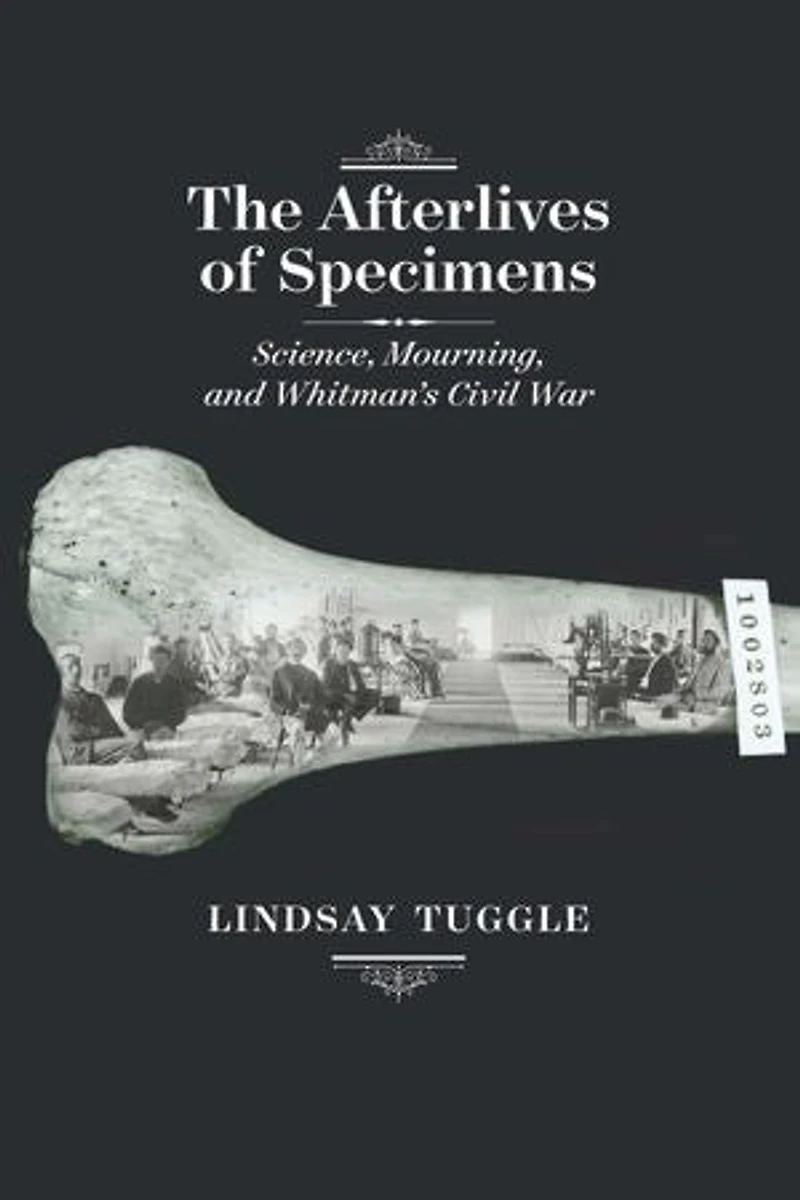
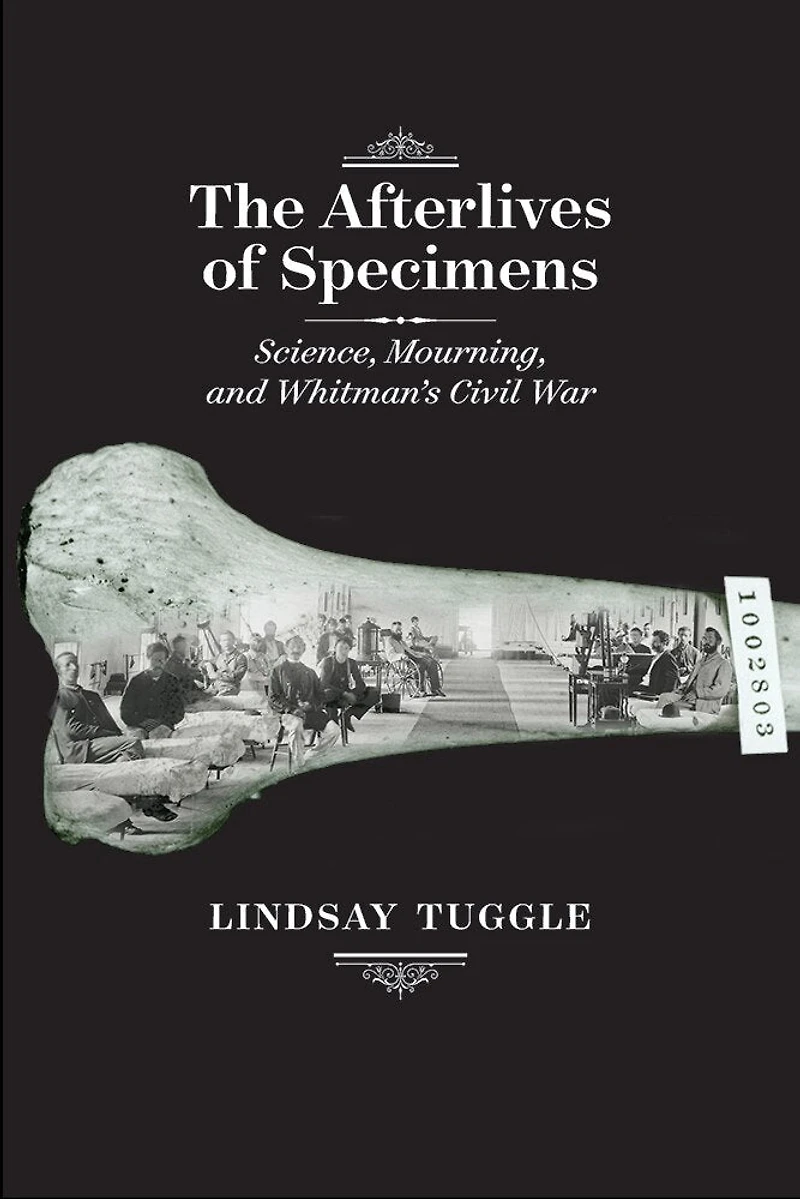
The Afterlives of Specimens: Science, Mourning, and Whitman's Civil War in Grande Prairie, AB
Current price: $70.59
Original price: $88.22
Coles
The Afterlives of Specimens: Science, Mourning, and Whitman's Civil War in Grande Prairie, AB
Current price: $70.59
Original price: $88.22
Loading Inventory...
Size: Kobo eBook
*Product information and pricing may vary - to confirm current pricing, availability, shipping, and return information please contact Coles. In the event of a pricing discrepancy, the retailer's price will apply.
The Afterlives of Specimens explores the space between science and sentiment, the historical moment when the human cadaver became both lost love object and subject of anatomical violence. Walt Whitman witnessed rapid changes in relations between the living and the dead. In the space of a few decades, dissection evolved from a posthumous punishment inflicted on criminals to an element of preservationist technology worthy of the presidential corpse of Abraham Lincoln. Whitman transitioned from a fervent opponent of medical bodysnatching to a literary celebrity who left behind instructions for his own autopsy, including the removal of his brain for scientific study.
Grounded in archival discoveries, Afterlives traces the origins of nineteenth-century America’s preservation compulsion, illuminating the influences of botanical, medical, spiritualist, and sentimental discourses on Whitman’s work. Tuggle unveils previously unrecognized connections between Whitman and the leading “medical men” of his era, such as the surgeon John H. Brinton, founding curator of the Army Medical Museum, and Silas Weir Mitchell, the neurologist who discovered phantom limb syndrome. Remains from several amputee soldiers whom Whitman nursed in the Washington hospitals became specimens in the Army Medical Museum.
Tuggle is the first scholar to analyze Whitman’s role in medically memorializing the human cadaver and its abandoned parts.
The Afterlives of Specimens explores the space between science and sentiment, the historical moment when the human cadaver became both lost love object and subject of anatomical violence. Walt Whitman witnessed rapid changes in relations between the living and the dead. In the space of a few decades, dissection evolved from a posthumous punishment inflicted on criminals to an element of preservationist technology worthy of the presidential corpse of Abraham Lincoln. Whitman transitioned from a fervent opponent of medical bodysnatching to a literary celebrity who left behind instructions for his own autopsy, including the removal of his brain for scientific study.
Grounded in archival discoveries, Afterlives traces the origins of nineteenth-century America’s preservation compulsion, illuminating the influences of botanical, medical, spiritualist, and sentimental discourses on Whitman’s work. Tuggle unveils previously unrecognized connections between Whitman and the leading “medical men” of his era, such as the surgeon John H. Brinton, founding curator of the Army Medical Museum, and Silas Weir Mitchell, the neurologist who discovered phantom limb syndrome. Remains from several amputee soldiers whom Whitman nursed in the Washington hospitals became specimens in the Army Medical Museum.
Tuggle is the first scholar to analyze Whitman’s role in medically memorializing the human cadaver and its abandoned parts.








Find at Prairie Mall in Grande Prairie, AB
Visit at Prairie Mall in Grande Prairie, AB