


Gifting Made Simple
Give the Gift of ChoiceClick below to purchase a Prairie Mall eGift Card that can be used at participating retailers at Prairie Mall.Buy Gift CardHome
The African And Conscientization: A Critical Approach To Social Political Thought With Particular Reference Nigeria
Coles
Loading Inventory...
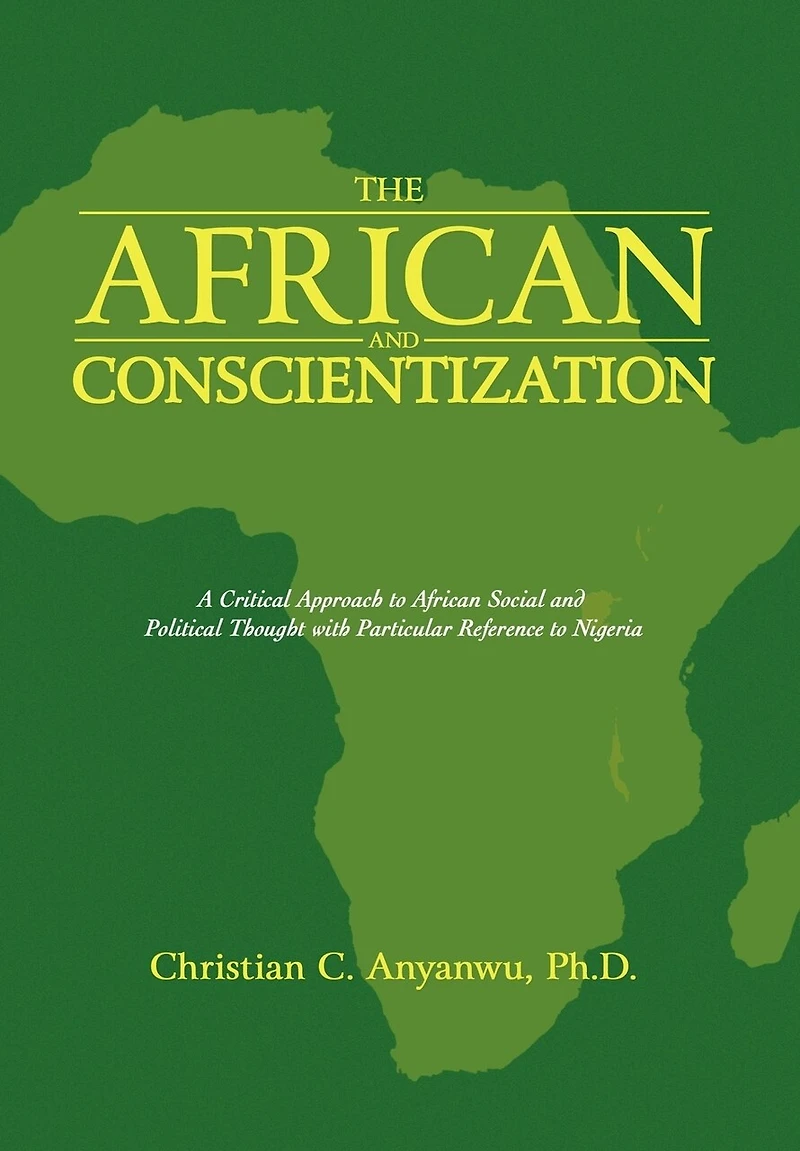
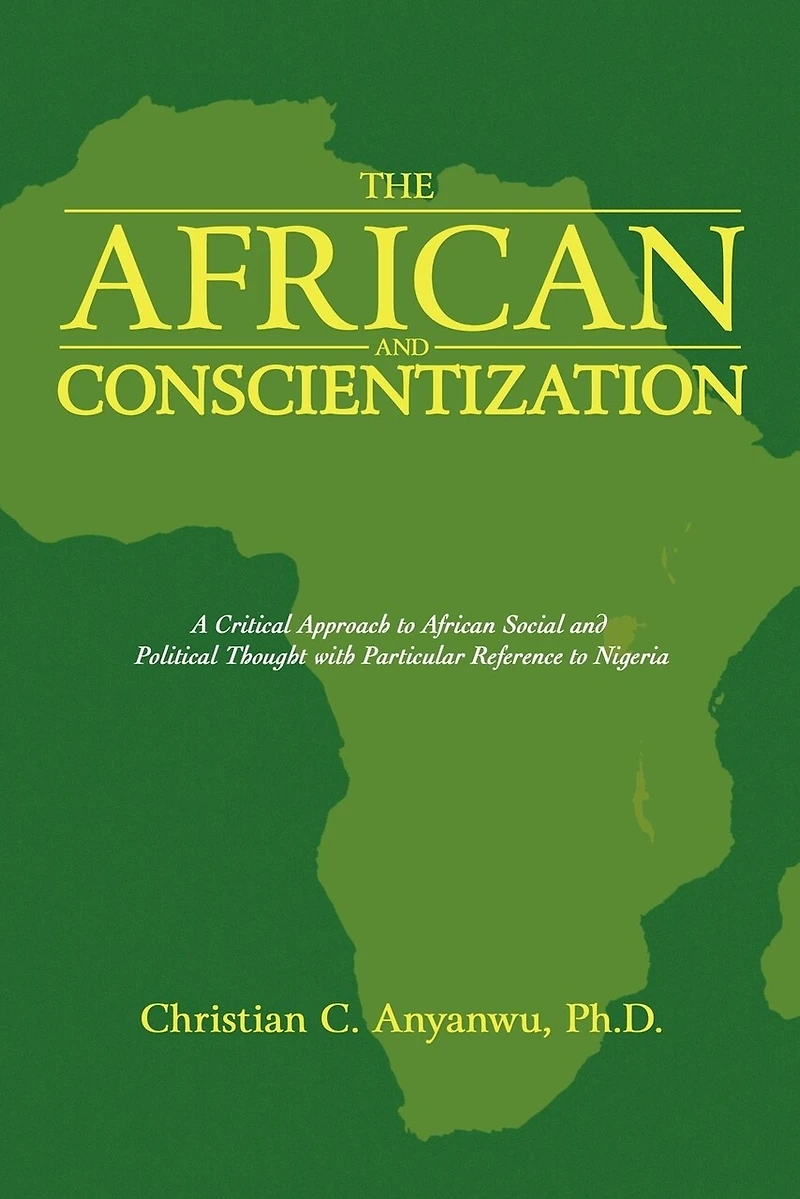
The African And Conscientization: A Critical Approach To Social Political Thought With Particular Reference Nigeria in Grande Prairie, AB
Current price: $33.76
Coles
The African And Conscientization: A Critical Approach To Social Political Thought With Particular Reference Nigeria in Grande Prairie, AB
Current price: $33.76
Loading Inventory...
Size: Hardcover
*Product information and pricing may vary - to confirm current pricing, availability, shipping, and return information please contact Coles. In the event of a pricing discrepancy, the retailer's price will apply.
The withdrawal of imperial colonizers from Africa in the second half of the 20th century precipitated the need for newly independent African nations to establish political, economic, and social structures that would ensure the development of cohesive, stable, and functional nations. While Africans yearned for independence, once granted, the challenges of nation-building became apparent immediately. Nigeria, like many African nations, has stumbled through the early postcolonial period with no clear post-colonial direction, dashing the hopes of its people and undermining confidence in its future. This book makes the case that the protracted decades of underdevelopment in Africa, and especially Nigeria, is traceable to a crisis of leadership that has crystallized in the institutionalization of organized corruption as part of its professional ethos. It argues that as a direct consequence of such practices over several decades, the population has been dehumanized. The situation of Africa in general, and Nigeria in particular, has been deemed so inimical and colossal that Justice Oputa's panel advised a program of moral action "from kindergarten right through to the entire polity" (Report of the Human Rights Violations Investigation Commission, 2002). This is an indictment on the Nigerian population, and rightly so because for more than 40 years after independence, the country has been through a spiraling crisis in leadership and corruption such that massive looting of the national treasure is unprecedented in the history of developing countries. So many attempts have been made in search of national ideology that might spur development. This writer is proposing, in this vein, the implementation of a Conscientization philosophy similar to Paulo Freire's as a viable ideology that would arrest and reverse the deteriorating situation. Freire's thought was influenced largely by socio Economic and political situations in Brazil. These same ugly and dehumanizing conditions are now generally characteristic of Nigeria. Hence, Freire's education as "practice of freedom" is very relevant to the Nigerian situation. This dissertation elaborates how to develop and implement the Conscientization philosophy and shows why it would be extraordinarily appropriate in Nigeria in such a way as to contribute to the good society.
The withdrawal of imperial colonizers from Africa in the second half of the 20th century precipitated the need for newly independent African nations to establish political, economic, and social structures that would ensure the development of cohesive, stable, and functional nations. While Africans yearned for independence, once granted, the challenges of nation-building became apparent immediately. Nigeria, like many African nations, has stumbled through the early postcolonial period with no clear post-colonial direction, dashing the hopes of its people and undermining confidence in its future. This book makes the case that the protracted decades of underdevelopment in Africa, and especially Nigeria, is traceable to a crisis of leadership that has crystallized in the institutionalization of organized corruption as part of its professional ethos. It argues that as a direct consequence of such practices over several decades, the population has been dehumanized. The situation of Africa in general, and Nigeria in particular, has been deemed so inimical and colossal that Justice Oputa's panel advised a program of moral action "from kindergarten right through to the entire polity" (Report of the Human Rights Violations Investigation Commission, 2002). This is an indictment on the Nigerian population, and rightly so because for more than 40 years after independence, the country has been through a spiraling crisis in leadership and corruption such that massive looting of the national treasure is unprecedented in the history of developing countries. So many attempts have been made in search of national ideology that might spur development. This writer is proposing, in this vein, the implementation of a Conscientization philosophy similar to Paulo Freire's as a viable ideology that would arrest and reverse the deteriorating situation. Freire's thought was influenced largely by socio Economic and political situations in Brazil. These same ugly and dehumanizing conditions are now generally characteristic of Nigeria. Hence, Freire's education as "practice of freedom" is very relevant to the Nigerian situation. This dissertation elaborates how to develop and implement the Conscientization philosophy and shows why it would be extraordinarily appropriate in Nigeria in such a way as to contribute to the good society.
You May Also Like











Find at Prairie Mall in Grande Prairie, AB
Visit at Prairie Mall in Grande Prairie, AB