


Gifting Made Simple
Give the Gift of ChoiceClick below to purchase a Prairie Mall eGift Card that can be used at participating retailers at Prairie Mall.Buy Gift CardHome
The A to Z of Mesopotamia
Coles
Loading Inventory...
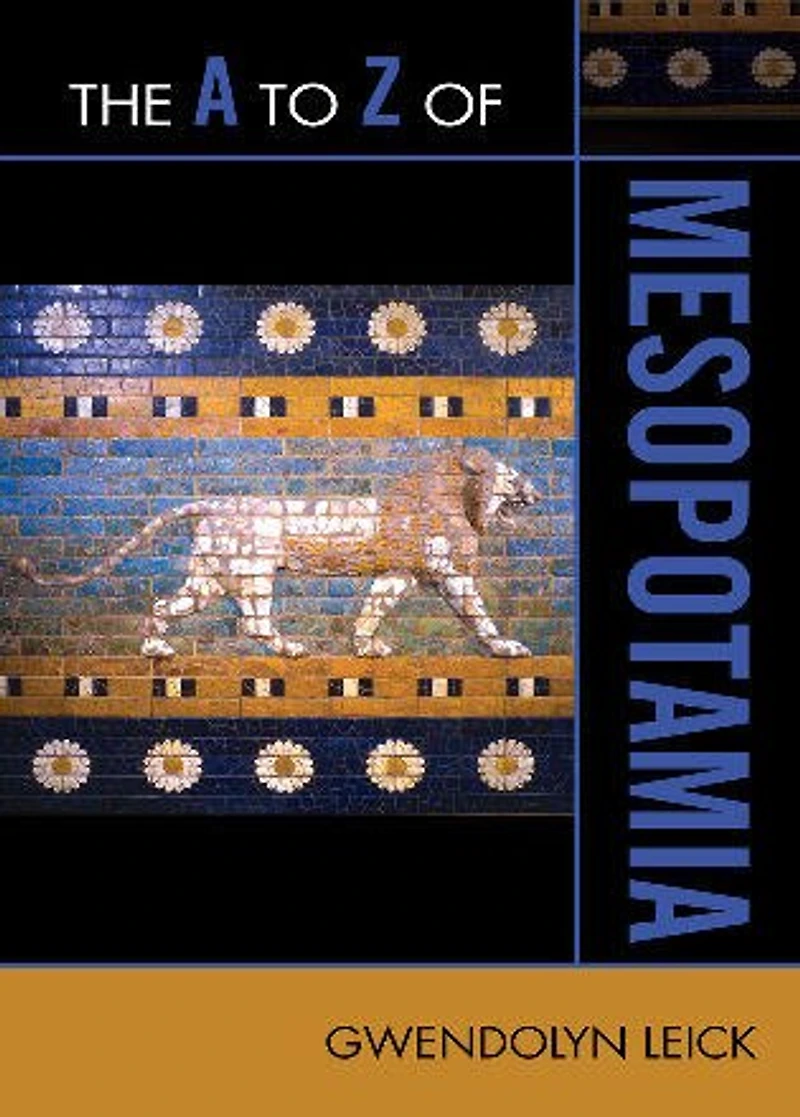
The A to Z of Mesopotamia in Grande Prairie, AB
Current price: $86.50
Coles
The A to Z of Mesopotamia in Grande Prairie, AB
Current price: $86.50
Loading Inventory...
Size: Paperback
*Product information and pricing may vary - to confirm current pricing, availability, shipping, and return information please contact Coles. In the event of a pricing discrepancy, the retailer's price will apply.
The Greek name Mesopotamia means "land between the rivers." The Romans used this term for an area that they controlled only briefly (between 115 and 117 A.D.): the land between the Euphrates and Tigris rivers, from the south Anatolian mountains ranges to the Persian Gulf. It comprises the civilizations of Sumer and Akkad (third millennium B.C.) as well as the later Babylonian and Assyrian empires of the second and first millennium. Although the "history" of Mesopotamia in the strict sense of the term only begins with the inscriptions of Sumerian rulers around the 27th century B.C., the foundations for Mesopotamian civilization, especially the beginnings of irrigation and the emergence of large permanent settlements, were laid much earlier, in the fifth and fourth millennium. The A to Z of Mesopotamia defines concepts, customs, and notions peculiar to the civilization of ancient Mesopotamia, from adult adoption to ziggurats. This is accomplished through a chronology, an introductory essay, a bibliography, appendixes, and hundreds of cross-reference dictionary entries on religion, economy, society, geography, and important kings and rulers.
The Greek name Mesopotamia means "land between the rivers." The Romans used this term for an area that they controlled only briefly (between 115 and 117 A.D.): the land between the Euphrates and Tigris rivers, from the south Anatolian mountains ranges to the Persian Gulf. It comprises the civilizations of Sumer and Akkad (third millennium B.C.) as well as the later Babylonian and Assyrian empires of the second and first millennium. Although the "history" of Mesopotamia in the strict sense of the term only begins with the inscriptions of Sumerian rulers around the 27th century B.C., the foundations for Mesopotamian civilization, especially the beginnings of irrigation and the emergence of large permanent settlements, were laid much earlier, in the fifth and fourth millennium. The A to Z of Mesopotamia defines concepts, customs, and notions peculiar to the civilization of ancient Mesopotamia, from adult adoption to ziggurats. This is accomplished through a chronology, an introductory essay, a bibliography, appendixes, and hundreds of cross-reference dictionary entries on religion, economy, society, geography, and important kings and rulers.
You May Also Like










Find at Prairie Mall in Grande Prairie, AB
Visit at Prairie Mall in Grande Prairie, AB