


Gifting Made Simple
Give the Gift of ChoiceClick below to purchase a Prairie Mall eGift Card that can be used at participating retailers at Prairie Mall.Buy Gift CardHome
That Glimpse of Truth for Which You Had Forgotten to Ask: Uroboric Apperception and Psychotherapy: Some Thoughts on the Mise En Scène Character of the True Subject
Coles
Loading Inventory...
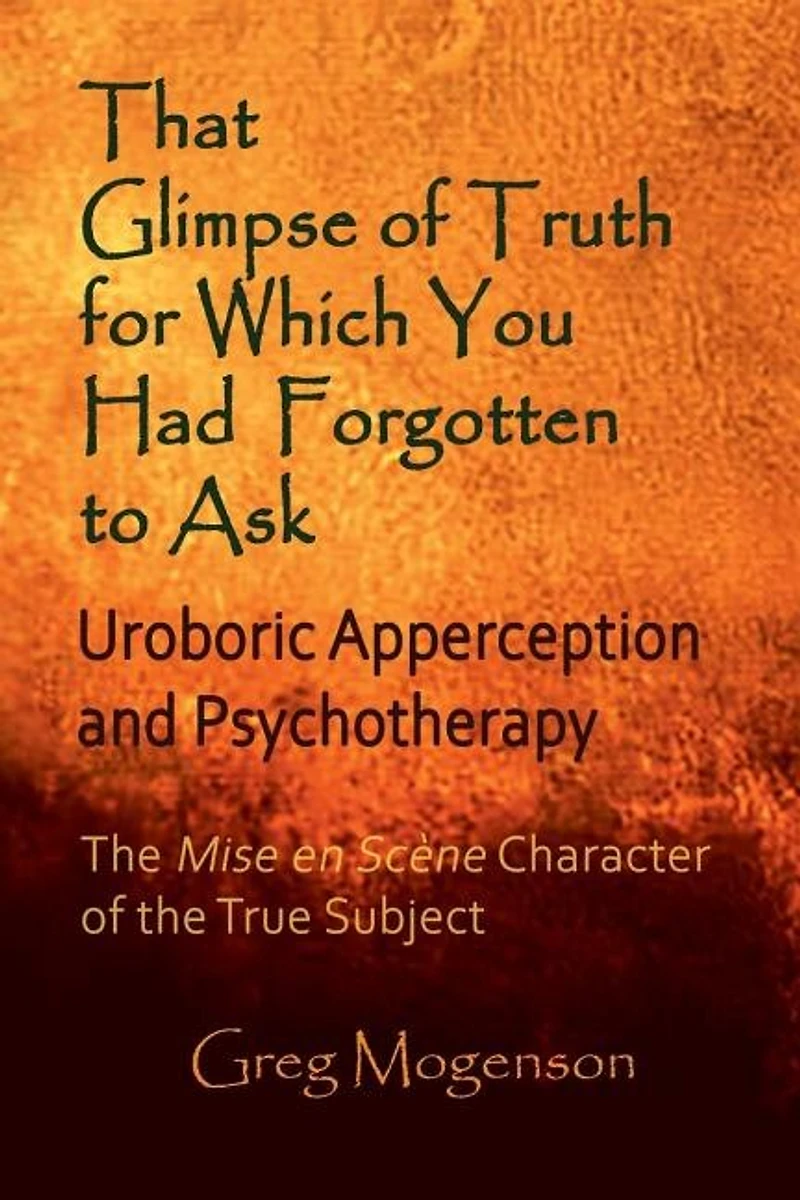
That Glimpse of Truth for Which You Had Forgotten to Ask: Uroboric Apperception and Psychotherapy: Some Thoughts on the Mise En Scène Character of the True Subject
By None
Current price: $15.95
Coles
That Glimpse of Truth for Which You Had Forgotten to Ask: Uroboric Apperception and Psychotherapy: Some Thoughts on the Mise En Scène Character of the True Subject
By None
Current price: $15.95
Loading Inventory...
Size: Paperback
*Product information and pricing may vary - to confirm current pricing, availability, shipping, and return information please contact Coles. In the event of a pricing discrepancy, the retailer's price will apply.
HAS PSYCHOTHERAPY SOMETHING ESSENTIAL to learn from the art of the novel? Turning to literature as to "the other" of psychotherapy and analysis, the author of this essay, a practicing Jungian analyst, finds in the great novelist Joseph Conrad's account of the truth for which art strives a soulful alternative to the "evidence-based(TM)" modes of practice that have turned much of psychotherapy in our day into a subject-less, world-less, technical exercise. Theoretically rich, and illustrated with penetrating examples from literature and life, the essay also provides, in lieu of a seminar, extensive endnotes pertinent to that speculative turn in analytical psychology which is known as Psychology as the Discipline of Interiority.
HAS PSYCHOTHERAPY SOMETHING ESSENTIAL to learn from the art of the novel? Turning to literature as to "the other" of psychotherapy and analysis, the author of this essay, a practicing Jungian analyst, finds in the great novelist Joseph Conrad's account of the truth for which art strives a soulful alternative to the "evidence-based(TM)" modes of practice that have turned much of psychotherapy in our day into a subject-less, world-less, technical exercise. Theoretically rich, and illustrated with penetrating examples from literature and life, the essay also provides, in lieu of a seminar, extensive endnotes pertinent to that speculative turn in analytical psychology which is known as Psychology as the Discipline of Interiority.
You May Also Like












More About Coles at Prairie Mall
11801 100 St #104, Grande Prairie, AB T8V 3Y2, Canada
Find Coles at Prairie Mall in Grande Prairie, AB
Visit Coles at Prairie Mall in Grande Prairie, AB