


Gifting Made Simple
Give the Gift of ChoiceClick below to purchase a Prairie Mall eGift Card that can be used at participating retailers at Prairie Mall.Buy Gift CardHome
Teaching Mathematics for First and Second Grades in Waldorf Schools: Math Curriculum, Basic Concepts, and Their Developmental Foundation
Coles
Loading Inventory...
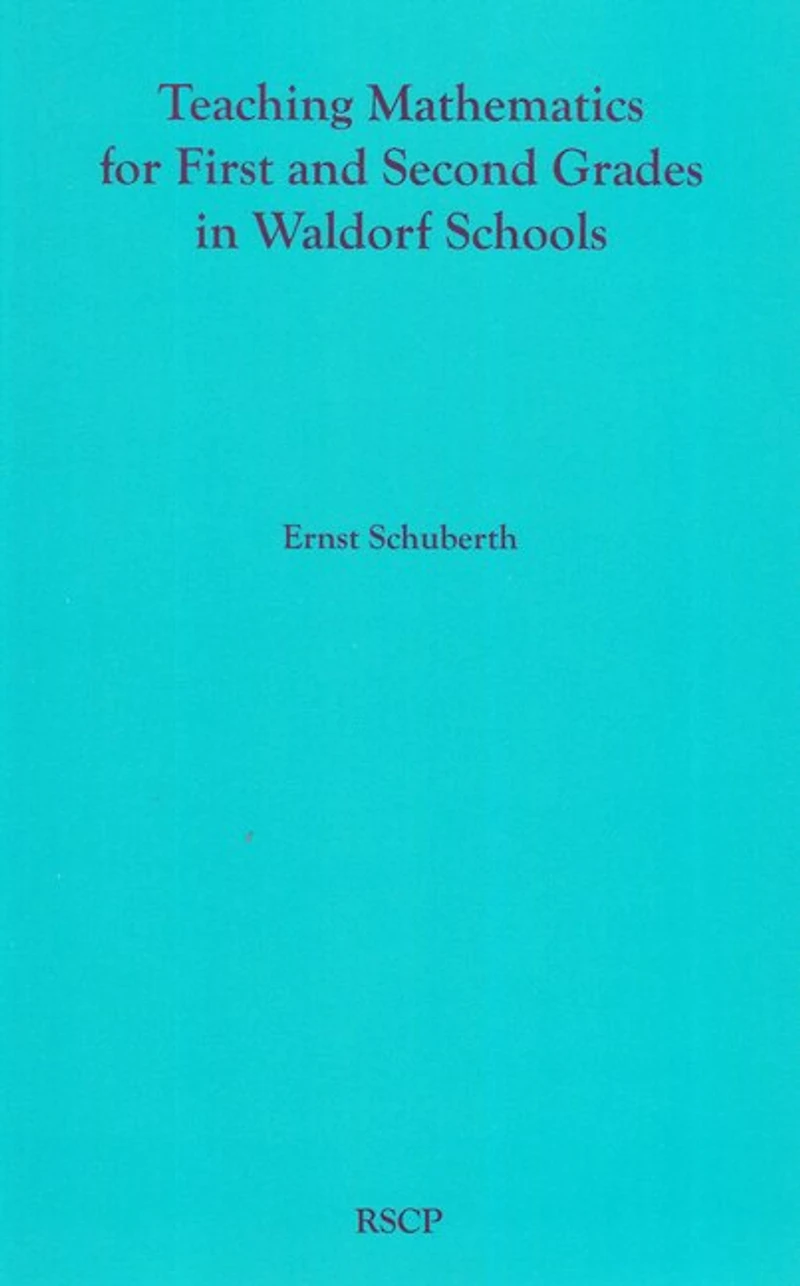
Teaching Mathematics for First and Second Grades in Waldorf Schools: Math Curriculum, Basic Concepts, and Their Developmental Foundation in Grande Prairie, AB
Current price: $19.50
Coles
Teaching Mathematics for First and Second Grades in Waldorf Schools: Math Curriculum, Basic Concepts, and Their Developmental Foundation in Grande Prairie, AB
Current price: $19.50
Loading Inventory...
Size: Paperback
*Product information and pricing may vary - to confirm current pricing, availability, shipping, and return information please contact Coles. In the event of a pricing discrepancy, the retailer's price will apply.
For Waldorf teachers, math is often one of their most difficult subjects. Memories of schooldays mathematics can cloud one's view of the students' developmental needs, whereas Steiner's many pedagogical suggestions do not indicate a structure for a cohesive math curriculum. Thus, teachers have developed various ways of teaching math during since the beginning of Waldorf education in 1921. Such diversity underscores the unique responsibility teachers carry for mathematics lessons. This guide is not in any way intended to diminish that responsibility, but to help establish a unified view of Steiner's statements for a developmentally appropriate math curriculum. The approaches suggested here might differ from existing programs in several areas--for example, in its direct and immediate beginning to math activities and reluctance to use images for introducing numbers to young students. This guidebook will be useful for teachers and schools in moving toward a more collegial and systematic approach to teaching mathematics in Waldorf classrooms.
For Waldorf teachers, math is often one of their most difficult subjects. Memories of schooldays mathematics can cloud one's view of the students' developmental needs, whereas Steiner's many pedagogical suggestions do not indicate a structure for a cohesive math curriculum. Thus, teachers have developed various ways of teaching math during since the beginning of Waldorf education in 1921. Such diversity underscores the unique responsibility teachers carry for mathematics lessons. This guide is not in any way intended to diminish that responsibility, but to help establish a unified view of Steiner's statements for a developmentally appropriate math curriculum. The approaches suggested here might differ from existing programs in several areas--for example, in its direct and immediate beginning to math activities and reluctance to use images for introducing numbers to young students. This guidebook will be useful for teachers and schools in moving toward a more collegial and systematic approach to teaching mathematics in Waldorf classrooms.
You May Also Like








Find at Prairie Mall in Grande Prairie, AB
Visit at Prairie Mall in Grande Prairie, AB