


Gifting Made Simple
Give the Gift of ChoiceClick below to purchase a Prairie Mall eGift Card that can be used at participating retailers at Prairie Mall.Buy Gift CardHome
Tázlár: A Village in Hungary
Coles
Loading Inventory...
Tázlár: A Village in Hungary
By None
Current price: $53.95
Coles
Tázlár: A Village in Hungary
By None
Current price: $53.95
Loading Inventory...
Size: Paperback
*Product information and pricing may vary - to confirm current pricing, availability, shipping, and return information please contact Coles. In the event of a pricing discrepancy, the retailer's price will apply.
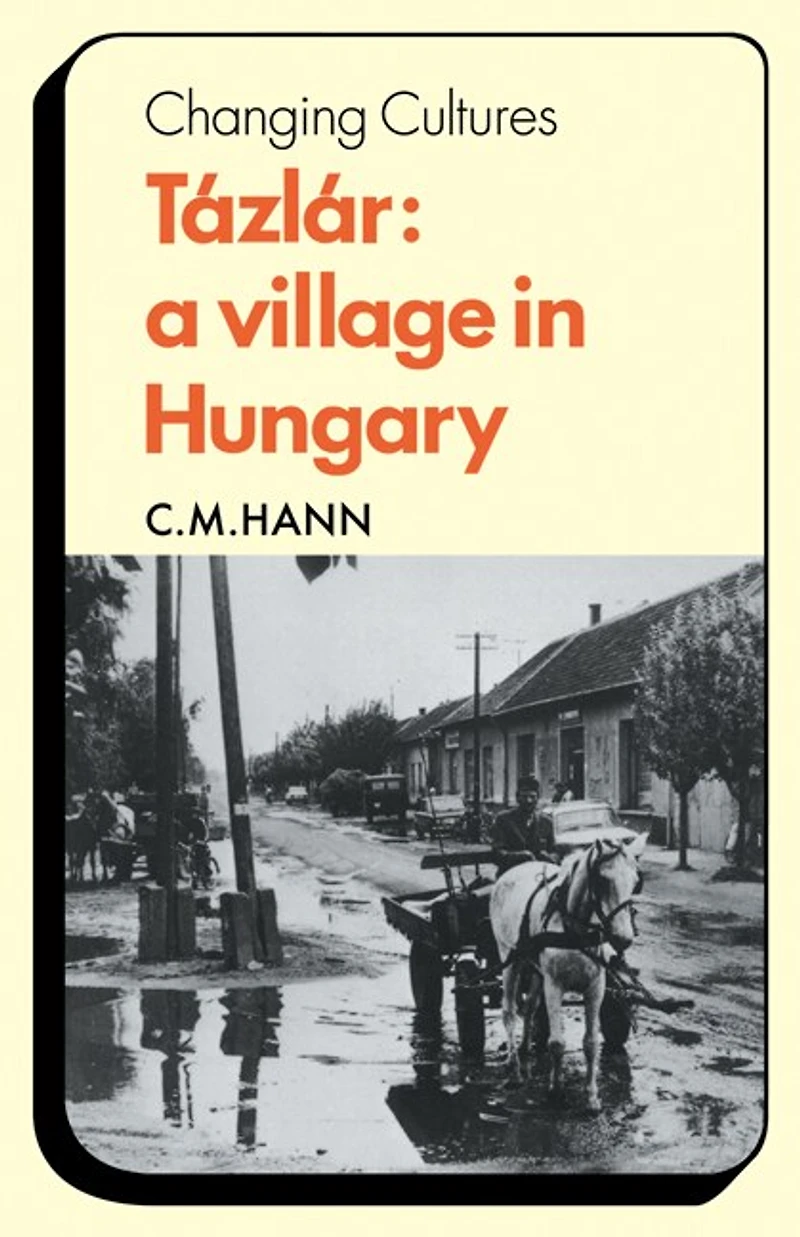
Tázlár is a rural community on the Great Hungarian Plain. In the context of modern Hungary it is not a typical community, for its socio-economic organisation has been based in past years on a form of agricultural cooperative unusual in socialist societies. In this book, C. M. Hann traces the development of the community in the post-war period and assesses the influence of the cooperative on its social, economic and political life. This detailed study of a community sheds light on the general mechanisms of social and economic control in state-socialist societies, as well as on socialist claims to be eliminating the historical disparities between the town and the countryside. It will appeal to anthropologists as a study of a community in an area of Europe which is poorly documented in English, to sociologists, political scientists and development economists and to the general reader with an interest in Eastern Europe or in socialism.
Tázlár is a rural community on the Great Hungarian Plain. In the context of modern Hungary it is not a typical community, for its socio-economic organisation has been based in past years on a form of agricultural cooperative unusual in socialist societies. In this book, C. M. Hann traces the development of the community in the post-war period and assesses the influence of the cooperative on its social, economic and political life. This detailed study of a community sheds light on the general mechanisms of social and economic control in state-socialist societies, as well as on socialist claims to be eliminating the historical disparities between the town and the countryside. It will appeal to anthropologists as a study of a community in an area of Europe which is poorly documented in English, to sociologists, political scientists and development economists and to the general reader with an interest in Eastern Europe or in socialism.
You May Also Like














More About Coles at Prairie Mall
11801 100 St #104, Grande Prairie, AB T8V 3Y2, Canada
Find Coles at Prairie Mall in Grande Prairie, AB
Visit Coles at Prairie Mall in Grande Prairie, AB