


Gifting Made Simple
Give the Gift of ChoiceClick below to purchase a Prairie Mall eGift Card that can be used at participating retailers at Prairie Mall.Buy Gift CardHome
Tata: The Global Corporation That Built Indian Capitalism
Coles
Loading Inventory...
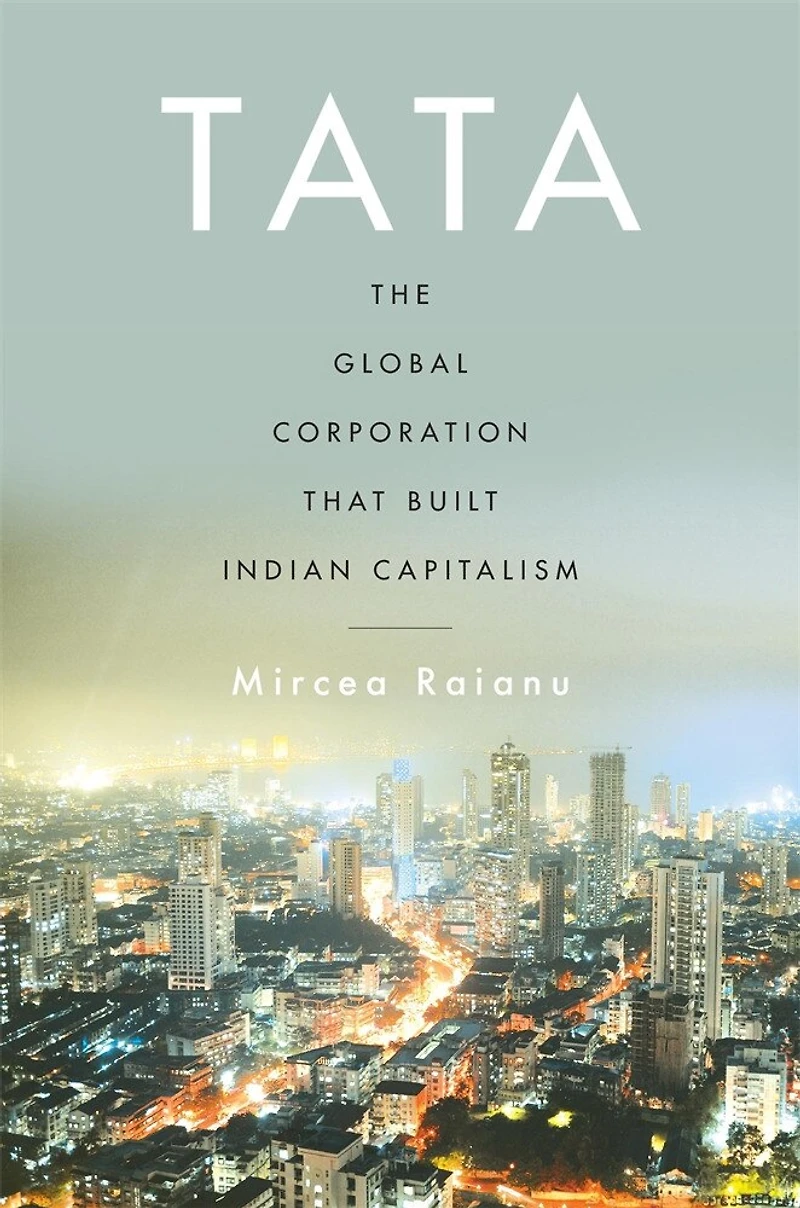
Tata: The Global Corporation That Built Indian Capitalism in Grande Prairie, AB
Current price: $43.95
Coles
Tata: The Global Corporation That Built Indian Capitalism in Grande Prairie, AB
Current price: $43.95
Loading Inventory...
Size: Hardcover
*Product information and pricing may vary - to confirm current pricing, availability, shipping, and return information please contact Coles. In the event of a pricing discrepancy, the retailer's price will apply.
An eye-opening portrait of global capitalism spanning 150 years, told through the history of the Tata corporation.
Nearly a century old, the grand façade of Bombay House is hard to miss in the historic business district of Mumbai. This is the iconic global headquarters of the Tata Group, a multinational corporation that produces everything from salt to software. After getting their start in the cotton and opium trades, the Tatas, a Parsi family from Navsari, Gujarat, ascended to commanding heights in the Indian economy by the time of independence in 1947. Over the course of its 150-year history Tata spun textiles, forged steel, generated hydroelectric power, and took to the skies. It also faced challenges from restive workers fighting for their rights and political leaders who sought to curb its power.
In this sweeping history, Mircea Raianu tracks the fortunes of a family-run business that was born during the high noon of the British Empire and went on to capture the world’s attention with the headline-making acquisition of luxury car manufacturer Jaguar Land Rover. The growth of Tata was a complex process shaped by world historical forces: the eclipse of imperial free trade, the intertwined rise of nationalism and the developmental state, and finally the return of globalization and market liberalization. Today Tata is the leading light of one of the world’s major economies, selling steel, chemicals, food, financial services, and nearly everything else, while operating philanthropic institutions that channel expert knowledge in fields such as engineering and medicine.
Based on painstaking research in the company’s archive, Tata elucidates how a titan of industry was created and what lessons its story may hold for the future of global capitalism.
An eye-opening portrait of global capitalism spanning 150 years, told through the history of the Tata corporation.
Nearly a century old, the grand façade of Bombay House is hard to miss in the historic business district of Mumbai. This is the iconic global headquarters of the Tata Group, a multinational corporation that produces everything from salt to software. After getting their start in the cotton and opium trades, the Tatas, a Parsi family from Navsari, Gujarat, ascended to commanding heights in the Indian economy by the time of independence in 1947. Over the course of its 150-year history Tata spun textiles, forged steel, generated hydroelectric power, and took to the skies. It also faced challenges from restive workers fighting for their rights and political leaders who sought to curb its power.
In this sweeping history, Mircea Raianu tracks the fortunes of a family-run business that was born during the high noon of the British Empire and went on to capture the world’s attention with the headline-making acquisition of luxury car manufacturer Jaguar Land Rover. The growth of Tata was a complex process shaped by world historical forces: the eclipse of imperial free trade, the intertwined rise of nationalism and the developmental state, and finally the return of globalization and market liberalization. Today Tata is the leading light of one of the world’s major economies, selling steel, chemicals, food, financial services, and nearly everything else, while operating philanthropic institutions that channel expert knowledge in fields such as engineering and medicine.
Based on painstaking research in the company’s archive, Tata elucidates how a titan of industry was created and what lessons its story may hold for the future of global capitalism.
You May Also Like










Find at Prairie Mall in Grande Prairie, AB
Visit at Prairie Mall in Grande Prairie, AB