


Gifting Made Simple
Give the Gift of ChoiceClick below to purchase a Prairie Mall eGift Card that can be used at participating retailers at Prairie Mall.Buy Gift CardHome
Symbolic Reproduction Early Medieval England: Secular and Monastic Households
Coles
Loading Inventory...
Symbolic Reproduction Early Medieval England: Secular and Monastic Households in Grande Prairie, AB
Current price: $170.00
Coles
Symbolic Reproduction Early Medieval England: Secular and Monastic Households in Grande Prairie, AB
Current price: $170.00
Loading Inventory...
Size: Hardcover
*Product information and pricing may vary - to confirm current pricing, availability, shipping, and return information please contact Coles. In the event of a pricing discrepancy, the retailer's price will apply.
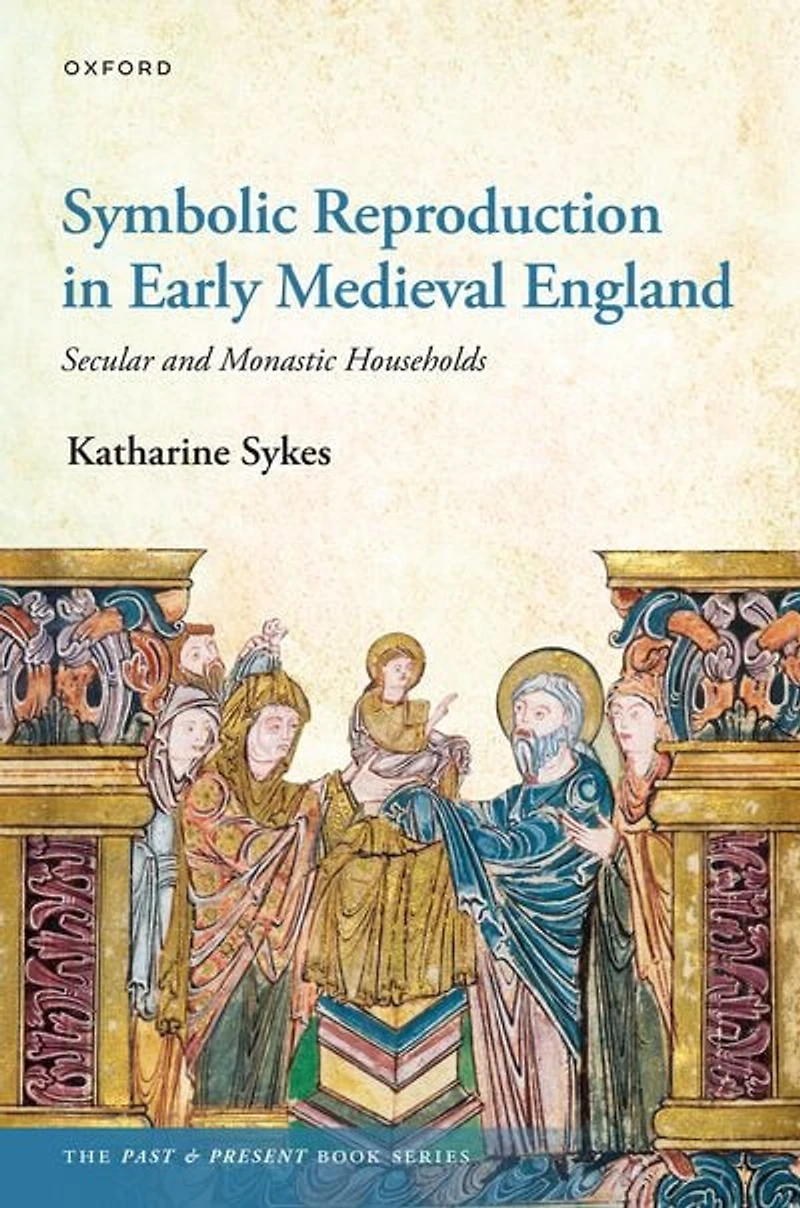
In the early Middle Ages, the conversion of the early English kingdoms acted as a catalyst for significant social and cultural change. One of the most visible of these changes was the introduction of a new type of household: the monastic household. These reproduced through education and training, rather than biological means; their inhabitants practised celibacy as a lifelong state, rather than as a stage in the life course. Because monastic households depended on secular households to produce the next generation of recruits, previous studies have tended to view them as more mutable than their secular counterparts, which are implicitly regarded as natural and ahistorical. Katharine Sykes charts some of the significant changes to the structure of households between the seventh to eleventh centuries, as ideas of spiritual, non-biological reproduction first fostered in monastic households were adopted in royal households in the tenth and eleventh centuries, and as ideas about kinship that were generated in secular households, such as the relationship between genealogy and inheritance, were picked up and applied by their monastic counterparts. In place of binary divisions between secular and monastic, biological and spiritual, real and imagined, Sykes demonstrates that different forms of kinship and reproduction in this period were intimately linked.
In the early Middle Ages, the conversion of the early English kingdoms acted as a catalyst for significant social and cultural change. One of the most visible of these changes was the introduction of a new type of household: the monastic household. These reproduced through education and training, rather than biological means; their inhabitants practised celibacy as a lifelong state, rather than as a stage in the life course. Because monastic households depended on secular households to produce the next generation of recruits, previous studies have tended to view them as more mutable than their secular counterparts, which are implicitly regarded as natural and ahistorical. Katharine Sykes charts some of the significant changes to the structure of households between the seventh to eleventh centuries, as ideas of spiritual, non-biological reproduction first fostered in monastic households were adopted in royal households in the tenth and eleventh centuries, and as ideas about kinship that were generated in secular households, such as the relationship between genealogy and inheritance, were picked up and applied by their monastic counterparts. In place of binary divisions between secular and monastic, biological and spiritual, real and imagined, Sykes demonstrates that different forms of kinship and reproduction in this period were intimately linked.
You May Also Like








Find at Prairie Mall in Grande Prairie, AB
Visit at Prairie Mall in Grande Prairie, AB