


Gifting Made Simple
Give the Gift of ChoiceClick below to purchase a Prairie Mall eGift Card that can be used at participating retailers at Prairie Mall.Buy Gift CardHome
Subject as Aporia in Early Modern Art
Coles
Loading Inventory...
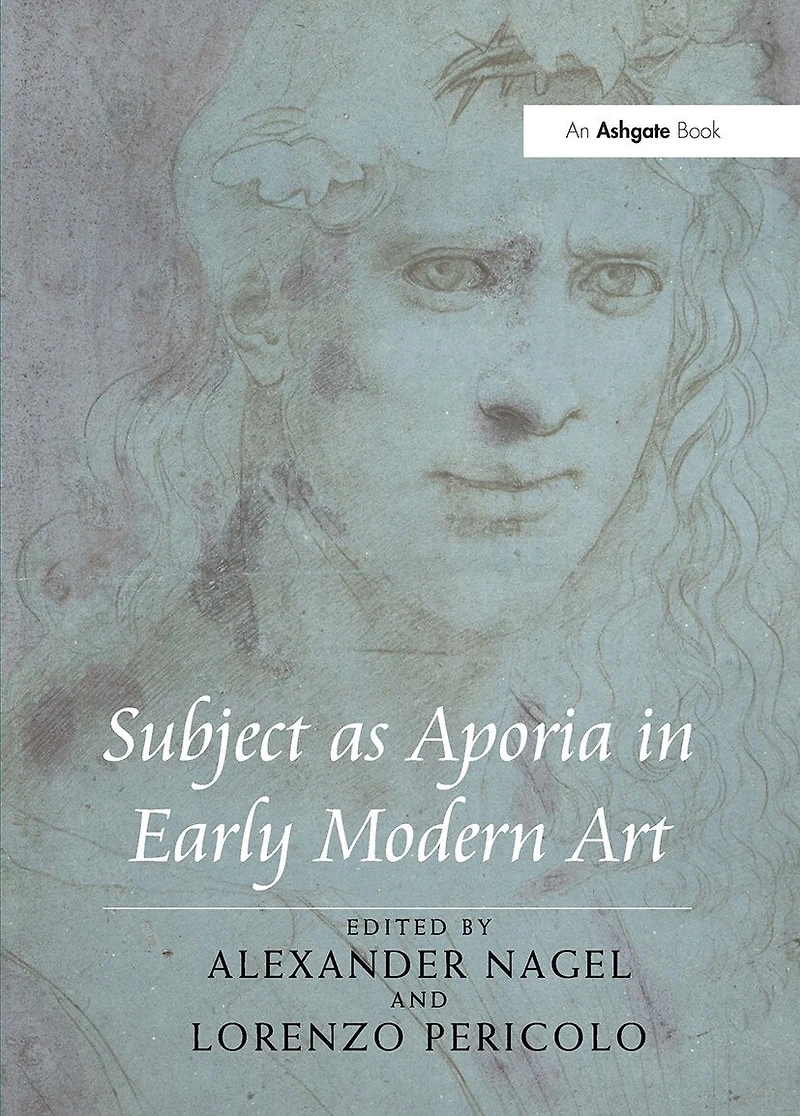
Subject as Aporia in Early Modern Art in Grande Prairie, AB
Current price: $84.50
Coles
Subject as Aporia in Early Modern Art in Grande Prairie, AB
Current price: $84.50
Loading Inventory...
Size: Paperback
*Product information and pricing may vary - to confirm current pricing, availability, shipping, and return information please contact Coles. In the event of a pricing discrepancy, the retailer's price will apply.
The studies in this volume focus on works of art that generate bafflement, and that make that difficulty of reading part of their rhetorical structure. These are works whose subjects are not easily identifiable or can be readily associated with more than one subject at the same time; works that take a subject into a new genre or format (pagan into Christian, for example, or vice versa), and thus destabilize the subject itself; works that concentrate on the marginal rather than the central episode; and works that introduce elements of the preparatory phase-the indeterminacy that are native to the sketch or drawing, for example-into the realm of finished works. Unable to settle on a single reading, the effort of interpretation doubles back on its own procedures. This aporia, according to Aristotle, serves as the initial impulse to philosophical inquiry. Although the works studied here are in many ways exceptional, the aporias they raise register larger structural problems belonging to the artistic culture as a whole. Between 1400 and 1700, we see the emergence of new formats, new genres, new subjects, and new techniques, as well as new venues for the display of art. It is an implicit thesis of this book that the systemic shifts occurring in the early modern period made the emergence of aporetic works of art, and of aporia as a problem for art, a structural inevitability.
The studies in this volume focus on works of art that generate bafflement, and that make that difficulty of reading part of their rhetorical structure. These are works whose subjects are not easily identifiable or can be readily associated with more than one subject at the same time; works that take a subject into a new genre or format (pagan into Christian, for example, or vice versa), and thus destabilize the subject itself; works that concentrate on the marginal rather than the central episode; and works that introduce elements of the preparatory phase-the indeterminacy that are native to the sketch or drawing, for example-into the realm of finished works. Unable to settle on a single reading, the effort of interpretation doubles back on its own procedures. This aporia, according to Aristotle, serves as the initial impulse to philosophical inquiry. Although the works studied here are in many ways exceptional, the aporias they raise register larger structural problems belonging to the artistic culture as a whole. Between 1400 and 1700, we see the emergence of new formats, new genres, new subjects, and new techniques, as well as new venues for the display of art. It is an implicit thesis of this book that the systemic shifts occurring in the early modern period made the emergence of aporetic works of art, and of aporia as a problem for art, a structural inevitability.
You May Also Like









Find at Prairie Mall in Grande Prairie, AB
Visit at Prairie Mall in Grande Prairie, AB