


Gifting Made Simple
Give the Gift of ChoiceClick below to purchase a Prairie Mall eGift Card that can be used at participating retailers at Prairie Mall.Buy Gift CardHome
Struggles for Political Change the Arab World: Regimes, Oppositions, and External Actors after Spring
Coles
Loading Inventory...
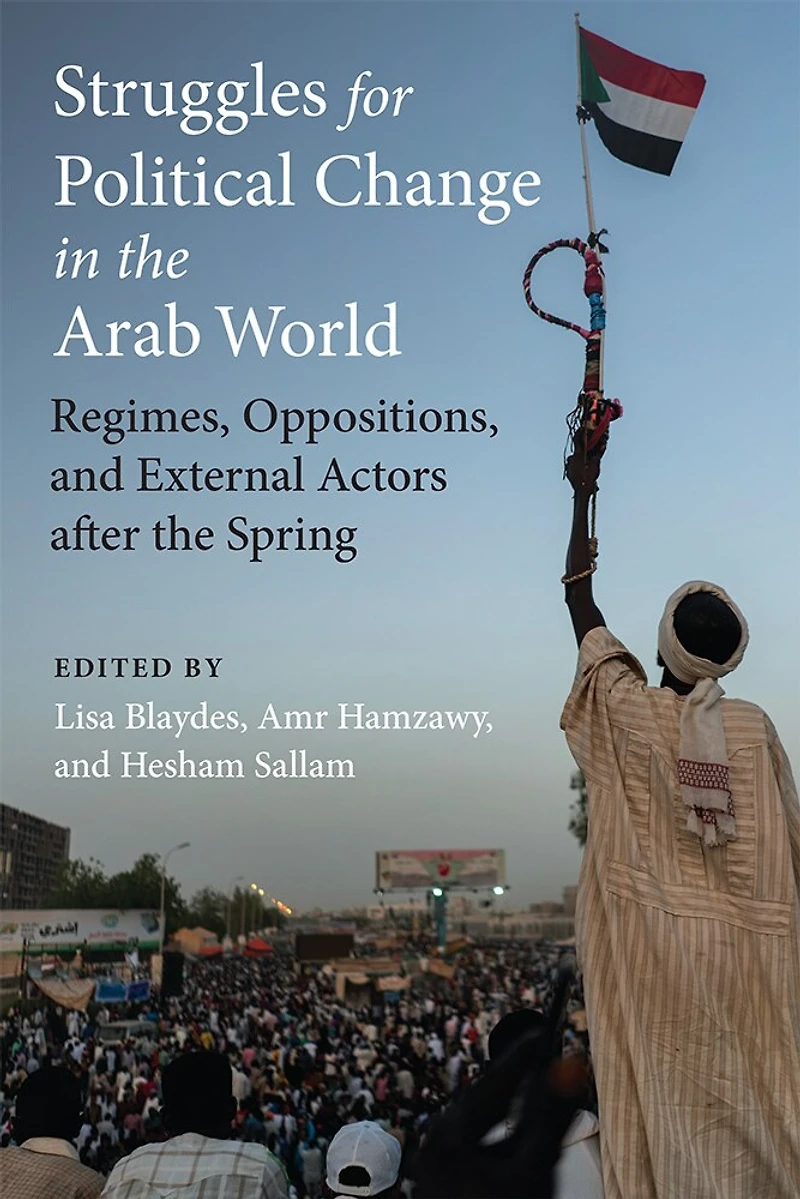
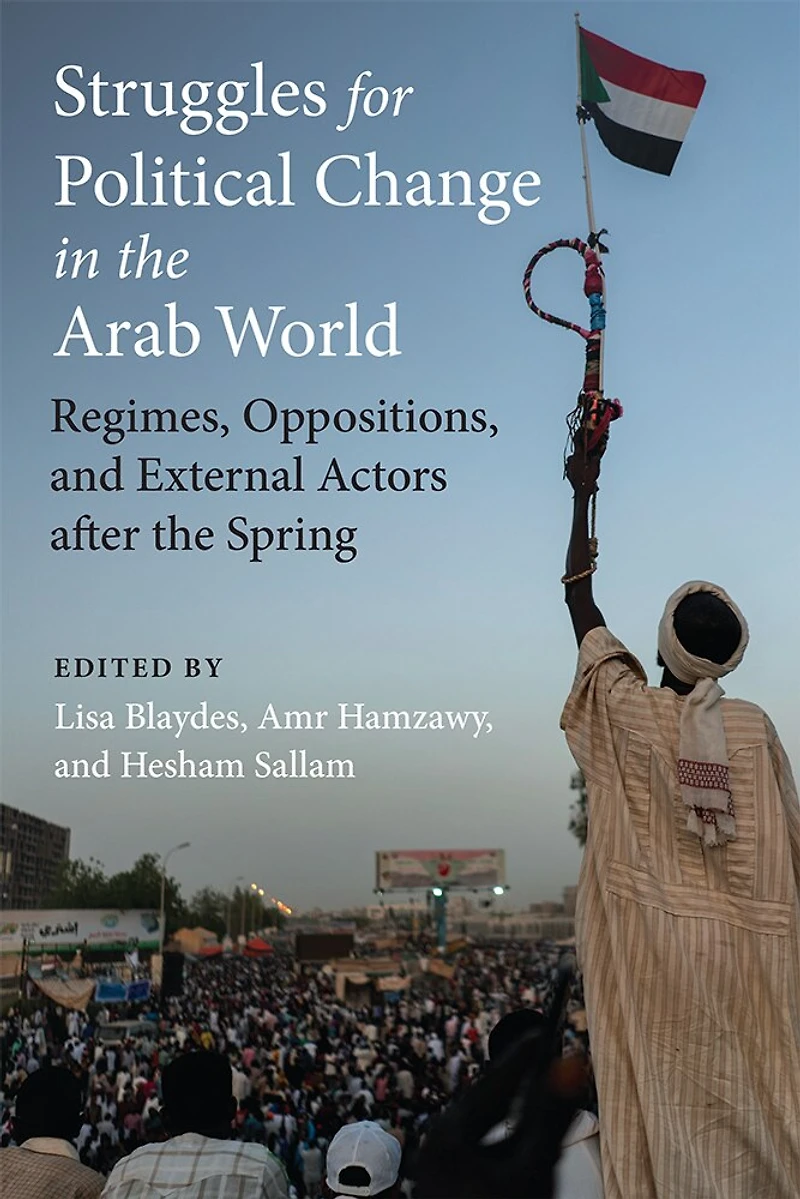
Struggles for Political Change the Arab World: Regimes, Oppositions, and External Actors after Spring in Grande Prairie, AB
Current price: $117.00
Coles
Struggles for Political Change the Arab World: Regimes, Oppositions, and External Actors after Spring in Grande Prairie, AB
Current price: $117.00
Loading Inventory...
Size: Hardcover
*Product information and pricing may vary - to confirm current pricing, availability, shipping, and return information please contact Coles. In the event of a pricing discrepancy, the retailer's price will apply.
The advent of the Arab Spring in late 2010 was a hopeful moment for partisans of progressive change throughout the Arab world. Authoritarian leaders who had long stood in the way of meaningful political reform in the countries of the region were either ousted or faced the possibility of political if not physical demise. The downfall of long-standing dictators as they faced off with strong-willed protesters was a clear sign that democratic change was within reach. Throughout the last ten years, however, the Arab world has witnessed authoritarian regimes regaining resilience, pro-democracy movements losing momentum, and struggles between the first and the latter involving regional and international powers.
This volume explains how relevant political players in Arab countries among regimes, opposition movements, and external actors have adapted ten years after the onset of the Arab Spring. It includes contributions on Egypt, Morocco, Kuwait, Saudi Arabia, Syria, Algeria, Sudan, Lebanon, Iraq, Jordan, Yemen, and Tunisia. It also features studies on the respective roles of the United States, China, Iran, and Turkey vis-à-vis questions of political change and stability in the Arab region, and includes a study analyzing the role of Saudi Arabia and its allies in subverting revolutionary movements in other countries.
The advent of the Arab Spring in late 2010 was a hopeful moment for partisans of progressive change throughout the Arab world. Authoritarian leaders who had long stood in the way of meaningful political reform in the countries of the region were either ousted or faced the possibility of political if not physical demise. The downfall of long-standing dictators as they faced off with strong-willed protesters was a clear sign that democratic change was within reach. Throughout the last ten years, however, the Arab world has witnessed authoritarian regimes regaining resilience, pro-democracy movements losing momentum, and struggles between the first and the latter involving regional and international powers.
This volume explains how relevant political players in Arab countries among regimes, opposition movements, and external actors have adapted ten years after the onset of the Arab Spring. It includes contributions on Egypt, Morocco, Kuwait, Saudi Arabia, Syria, Algeria, Sudan, Lebanon, Iraq, Jordan, Yemen, and Tunisia. It also features studies on the respective roles of the United States, China, Iran, and Turkey vis-à-vis questions of political change and stability in the Arab region, and includes a study analyzing the role of Saudi Arabia and its allies in subverting revolutionary movements in other countries.












Find at Prairie Mall in Grande Prairie, AB
Visit at Prairie Mall in Grande Prairie, AB