


Gifting Made Simple
Give the Gift of ChoiceClick below to purchase a Prairie Mall eGift Card that can be used at participating retailers at Prairie Mall.Buy Gift CardHome
Structural Geometry Of Mobile Belts The Indian Subcontinent
Coles
Loading Inventory...
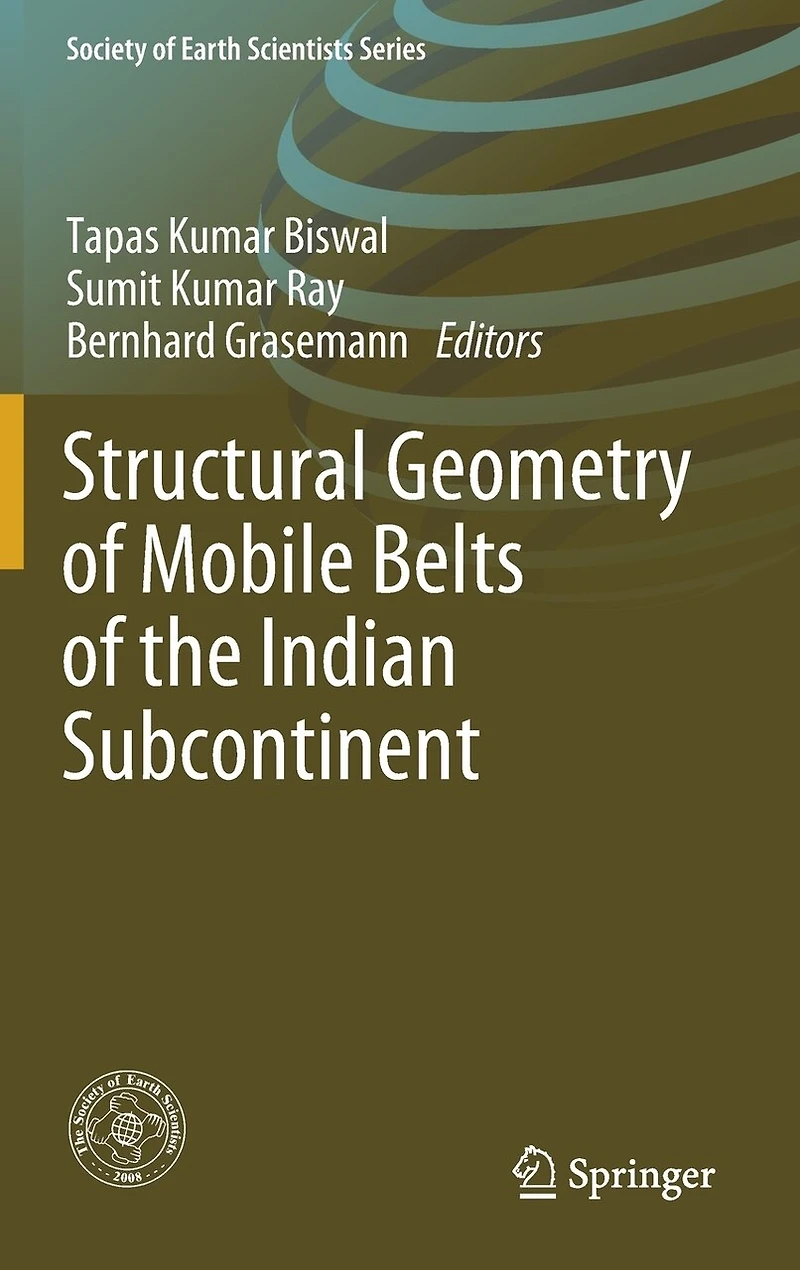
Structural Geometry Of Mobile Belts The Indian Subcontinent in Grande Prairie, AB
By None
Current price: $248.50
Coles
Structural Geometry Of Mobile Belts The Indian Subcontinent in Grande Prairie, AB
By None
Current price: $248.50
Loading Inventory...
Size: Hardcover
*Product information and pricing may vary - to confirm current pricing, availability, shipping, and return information please contact Coles. In the event of a pricing discrepancy, the retailer's price will apply.
This book summarizes the latest research on the structural geology of the mobile belts of the Indian subcontinent including the Himalayas, NE Himalayas, Bangladesh thrust belt, Andaman subduction zone, the Aravalli-Delhi, the Central India Tectonic Zone, the Singhbhum, the Eastern Ghats and the Southern granulite terrane. It offers essential information on deformational structures in the mobile belt, such as folding patterns, the character of the shear zone, shear strain analysis, and faults, as well as fault zone rocks. The findings presented here are based on field observations, mapping, sampling and analysis work (e.g. petrographic studies), as well as limited geochemical and geochronological analysis to support the findings. A discussion on the structural evolution of these mobile belts and their connections with other belts rounds out the coverage.
This book summarizes the latest research on the structural geology of the mobile belts of the Indian subcontinent including the Himalayas, NE Himalayas, Bangladesh thrust belt, Andaman subduction zone, the Aravalli-Delhi, the Central India Tectonic Zone, the Singhbhum, the Eastern Ghats and the Southern granulite terrane. It offers essential information on deformational structures in the mobile belt, such as folding patterns, the character of the shear zone, shear strain analysis, and faults, as well as fault zone rocks. The findings presented here are based on field observations, mapping, sampling and analysis work (e.g. petrographic studies), as well as limited geochemical and geochronological analysis to support the findings. A discussion on the structural evolution of these mobile belts and their connections with other belts rounds out the coverage.
You May Also Like















More About Coles at Prairie Mall
11801 100 St #104, Grande Prairie, AB T8V 3Y2, Canada
Find Coles at Prairie Mall in Grande Prairie, AB
Visit Coles at Prairie Mall in Grande Prairie, AB