


Gifting Made Simple
Give the Gift of ChoiceClick below to purchase a Prairie Mall eGift Card that can be used at participating retailers at Prairie Mall.Buy Gift CardHome
Strategies of Financial Regulation: Divergent Approaches Conduct Business Regulation Mis-Selling the UK and South Korea
Coles
Loading Inventory...
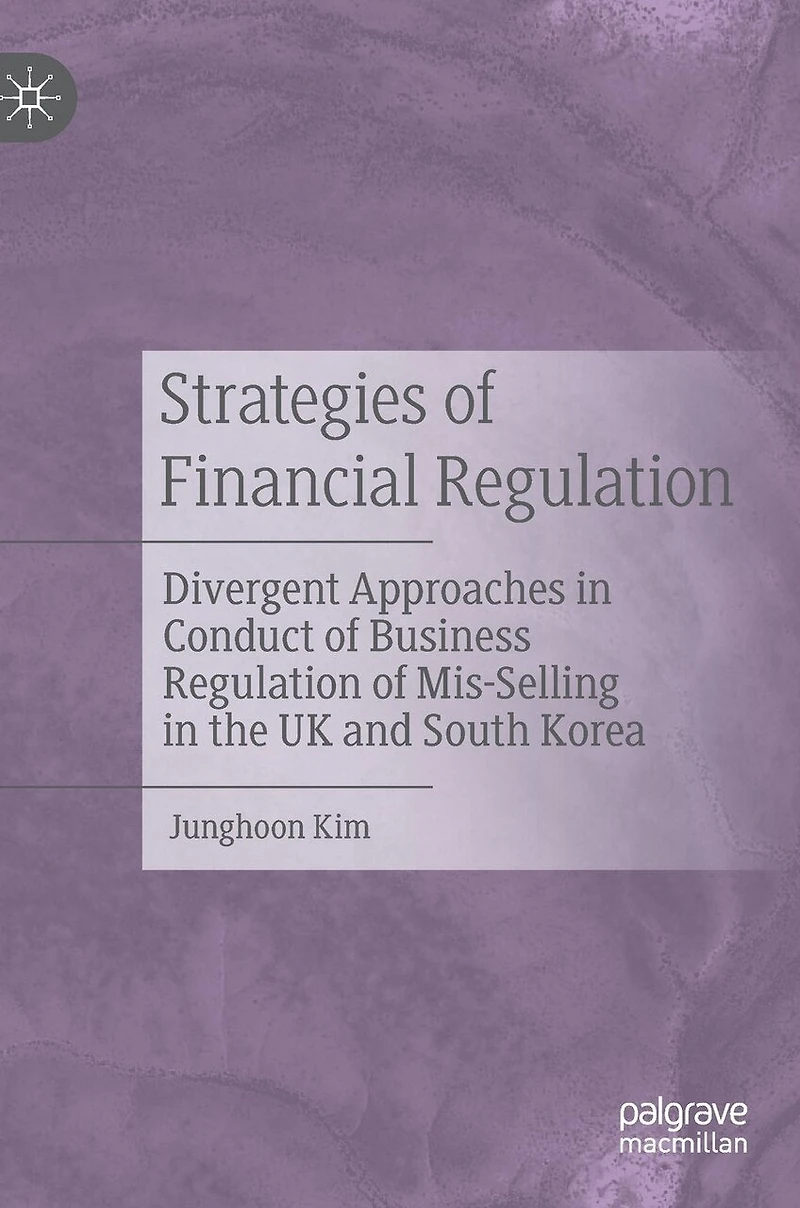
Strategies of Financial Regulation: Divergent Approaches Conduct Business Regulation Mis-Selling the UK and South Korea in Grande Prairie, AB
Current price: $204.50
Coles
Strategies of Financial Regulation: Divergent Approaches Conduct Business Regulation Mis-Selling the UK and South Korea in Grande Prairie, AB
Current price: $204.50
Loading Inventory...
Size: Hardcover
*Product information and pricing may vary - to confirm current pricing, availability, shipping, and return information please contact Coles. In the event of a pricing discrepancy, the retailer's price will apply.
This book analyses different strategies and their results in implementing financial regulation in terms of rule-making, public enforcement and private enforcement. The analysis is based on a comparative study of conduct of business regulation on mis-selling of financial instruments in the UK and South Korea. It extends into liquidity regulation in the banking sector and credit rating agency regulation. The book concludes that in rule-making, purposive rules are more effective for achieving regulatory goals with minimal undesirable results, but a rule-making system with purposive rules can only work on a foundation of trust among rule-makers, enforcers and the regulates, that with respect to public enforcement, the enforcement strategies should combine the compliance-oriented and deterrence-oriented approaches and be continuously adjusted based on close monitoring of the regulatory outcomes and that in private enforcement, regulation should be instituted as the minimum requirement in private law.
This book analyses different strategies and their results in implementing financial regulation in terms of rule-making, public enforcement and private enforcement. The analysis is based on a comparative study of conduct of business regulation on mis-selling of financial instruments in the UK and South Korea. It extends into liquidity regulation in the banking sector and credit rating agency regulation. The book concludes that in rule-making, purposive rules are more effective for achieving regulatory goals with minimal undesirable results, but a rule-making system with purposive rules can only work on a foundation of trust among rule-makers, enforcers and the regulates, that with respect to public enforcement, the enforcement strategies should combine the compliance-oriented and deterrence-oriented approaches and be continuously adjusted based on close monitoring of the regulatory outcomes and that in private enforcement, regulation should be instituted as the minimum requirement in private law.
You May Also Like



















Find at Prairie Mall in Grande Prairie, AB
Visit at Prairie Mall in Grande Prairie, AB