


Gifting Made Simple
Give the Gift of ChoiceClick below to purchase a Prairie Mall eGift Card that can be used at participating retailers at Prairie Mall.Buy Gift CardHome
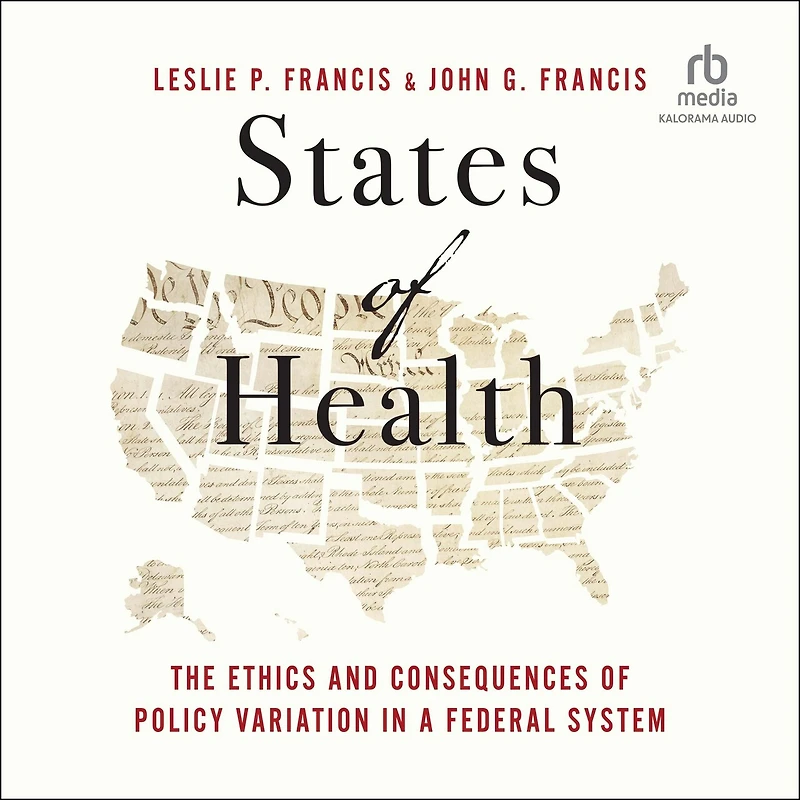
States of Health: The Ethics and Consequences Policy Variation a Federal System
Coles
Loading Inventory...
States of Health: The Ethics and Consequences Policy Variation a Federal System in Grande Prairie, AB
Current price: $59.95
Coles
States of Health: The Ethics and Consequences Policy Variation a Federal System in Grande Prairie, AB
Current price: $59.95
Loading Inventory...
Size: Audiobook (2024 A)
*Product information and pricing may vary - to confirm current pricing, availability, shipping, and return information please contact Coles. In the event of a pricing discrepancy, the retailer's price will apply.
Is it morally or politically acceptable to have wide differences in the quality of health care when one crosses a state line? Federalism in the United States has been defended as a political structure that enables people to coexist in a single polity despite deep disagreements about some of the most fundamental aspects of human life. Federalism can create space for difference and latitude for innovation, and its flexibility in levels of policy enactment can allow for fruitful state-level experimentation, especially in the areas of health and health care, which has long been celebrated. However, when federalism results in significant differences in health care availability within a single country, it can generate ethical challenges for health care providers and their patients. These challenges often engender questions of what should be considered an enduring right: Which freedoms should transcend borders? States of Health identifies the practical relevance of federalism to people facing ethical decisions about health and health care, and it considers the theoretical justifications for permissible differences among states. It asks whether authority over important aspects of health is misaligned in the United States today, with some matters problematically left to the states while others are taken over by the federal government.
Is it morally or politically acceptable to have wide differences in the quality of health care when one crosses a state line? Federalism in the United States has been defended as a political structure that enables people to coexist in a single polity despite deep disagreements about some of the most fundamental aspects of human life. Federalism can create space for difference and latitude for innovation, and its flexibility in levels of policy enactment can allow for fruitful state-level experimentation, especially in the areas of health and health care, which has long been celebrated. However, when federalism results in significant differences in health care availability within a single country, it can generate ethical challenges for health care providers and their patients. These challenges often engender questions of what should be considered an enduring right: Which freedoms should transcend borders? States of Health identifies the practical relevance of federalism to people facing ethical decisions about health and health care, and it considers the theoretical justifications for permissible differences among states. It asks whether authority over important aspects of health is misaligned in the United States today, with some matters problematically left to the states while others are taken over by the federal government.
You May Also Like










Find at Prairie Mall in Grande Prairie, AB
Visit at Prairie Mall in Grande Prairie, AB