


Gifting Made Simple
Give the Gift of ChoiceClick below to purchase a Prairie Mall eGift Card that can be used at participating retailers at Prairie Mall.Buy Gift CardHome
State Violence Nazi Germany: From Kristallnacht to Barbarossa
Coles
Loading Inventory...
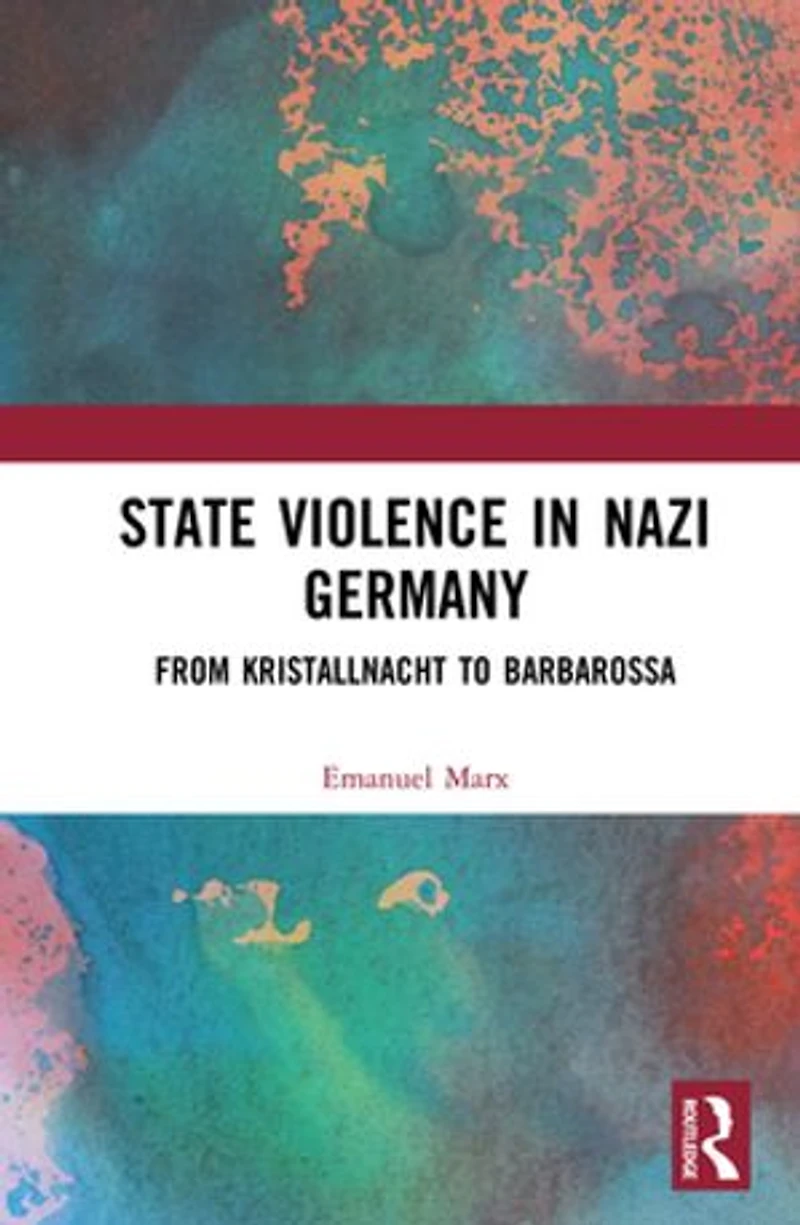
State Violence Nazi Germany: From Kristallnacht to Barbarossa in Grande Prairie, AB
Current price: $84.99
Coles
State Violence Nazi Germany: From Kristallnacht to Barbarossa in Grande Prairie, AB
Current price: $84.99
Loading Inventory...
Size: Kobo eBook
*Product information and pricing may vary - to confirm current pricing, availability, shipping, and return information please contact Coles. In the event of a pricing discrepancy, the retailer's price will apply.
Through analyses of three eventful years in Nazi Germany's history - the Kristallnacht pogrom, the invasion of Poland and the invasion of Soviet Russia - this book explores the violence of states. All three events were part of the Nazi colonial project and led to mass killings, eventually resulting in the systematic murder of Jews becoming a major war aim - one that Germany would pursue to the end, even when it became clear that the military conflict could no longer be won. Drawing on voluminous historical and sociological literature, as well as documentary and contemporary evidence, the author presents a new account of the phenomenon of extreme state violence as a special category of violence, in which the armed forces, maintained in a state of readiness, are used unnecessarily and excessively, often on thin pretexts, and, unlike coercive violence, only rarely for the purposes of carrying messages to the public. As such, it will appeal to scholars of sociology, history and anthropology concerned with mass and state violence.
Through analyses of three eventful years in Nazi Germany's history - the Kristallnacht pogrom, the invasion of Poland and the invasion of Soviet Russia - this book explores the violence of states. All three events were part of the Nazi colonial project and led to mass killings, eventually resulting in the systematic murder of Jews becoming a major war aim - one that Germany would pursue to the end, even when it became clear that the military conflict could no longer be won. Drawing on voluminous historical and sociological literature, as well as documentary and contemporary evidence, the author presents a new account of the phenomenon of extreme state violence as a special category of violence, in which the armed forces, maintained in a state of readiness, are used unnecessarily and excessively, often on thin pretexts, and, unlike coercive violence, only rarely for the purposes of carrying messages to the public. As such, it will appeal to scholars of sociology, history and anthropology concerned with mass and state violence.
You May Also Like
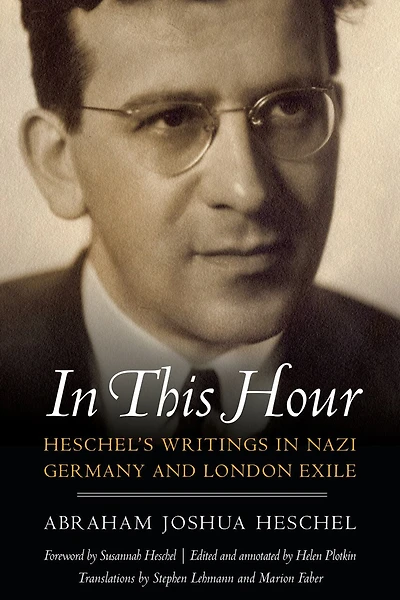








Find at Prairie Mall in Grande Prairie, AB
Visit at Prairie Mall in Grande Prairie, AB