


Gifting Made Simple
Give the Gift of ChoiceClick below to purchase a Prairie Mall eGift Card that can be used at participating retailers at Prairie Mall.Buy Gift CardHome
Starved Rock State Park: The Work of the CCC Along the I&m Canal
Coles
Loading Inventory...
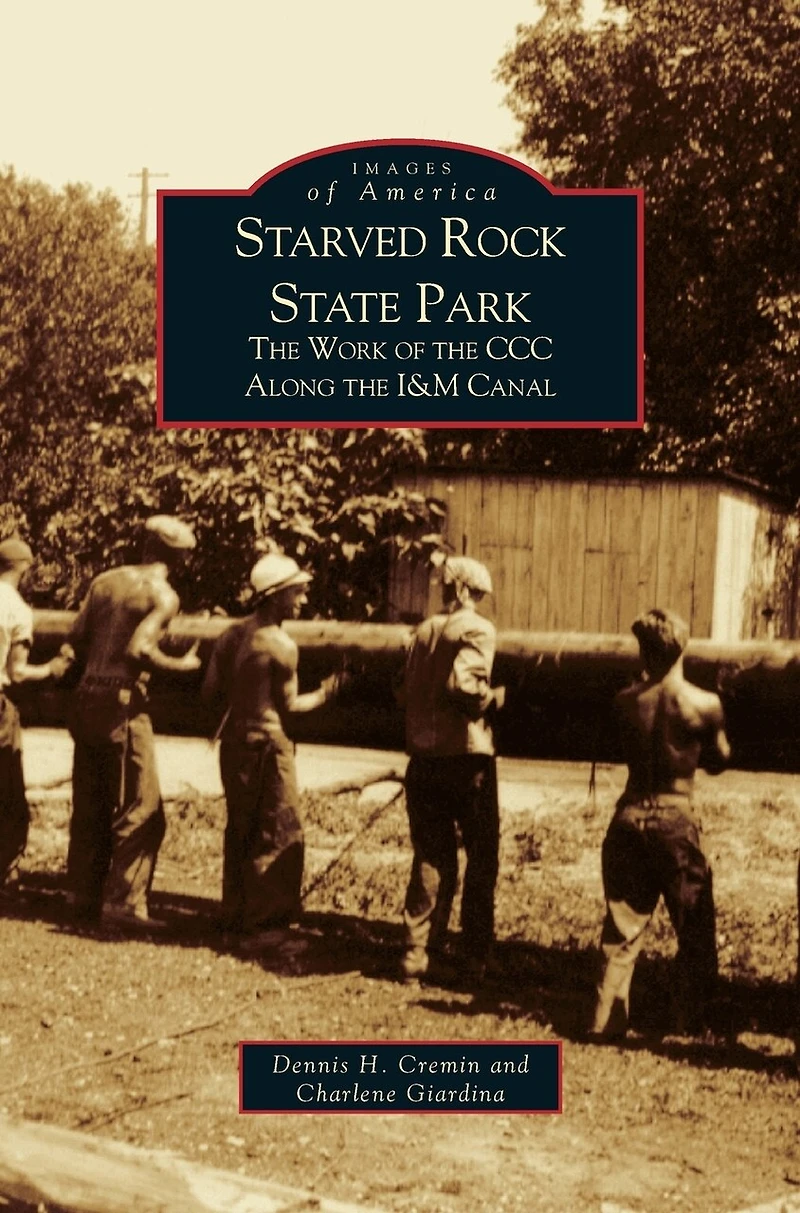
Starved Rock State Park: The Work of the CCC Along the I&m Canal in Grande Prairie, AB
Current price: $36.99
Coles
Starved Rock State Park: The Work of the CCC Along the I&m Canal in Grande Prairie, AB
Current price: $36.99
Loading Inventory...
Size: Hardcover
*Product information and pricing may vary - to confirm current pricing, availability, shipping, and return information please contact Coles. In the event of a pricing discrepancy, the retailer's price will apply.
Visitors to Starved Rock State Park are often struck by the grandeur of its rustic lodge. They marvel at its massive fireplace and hand-hewn logs. Yet few realize that this structure is a tangible reminder of the Civilian Conservation Corps, which in the 1930s provided work for young men left unemployed by the Great Depression. Starved Rock Lodge was one of the biggest projects of the "CCC boys" along the Illinois and Michigan Canal, but it was far from the only one. Working as a team and living in camps from Willow Springs to La Salle-Peru, they built facilities that transformed the old canal into what became the I&M Canal State Trail (1974) and the nation's first National Heritage Corridor (1984). President Franklin D. Roosevelt's nation-wide program preserved the landscape from the ravages of soil erosion, flooding, and deforestation. In the process, the young men built beautiful parks, buildings, and shelters that we use and admire today.
Visitors to Starved Rock State Park are often struck by the grandeur of its rustic lodge. They marvel at its massive fireplace and hand-hewn logs. Yet few realize that this structure is a tangible reminder of the Civilian Conservation Corps, which in the 1930s provided work for young men left unemployed by the Great Depression. Starved Rock Lodge was one of the biggest projects of the "CCC boys" along the Illinois and Michigan Canal, but it was far from the only one. Working as a team and living in camps from Willow Springs to La Salle-Peru, they built facilities that transformed the old canal into what became the I&M Canal State Trail (1974) and the nation's first National Heritage Corridor (1984). President Franklin D. Roosevelt's nation-wide program preserved the landscape from the ravages of soil erosion, flooding, and deforestation. In the process, the young men built beautiful parks, buildings, and shelters that we use and admire today.
You May Also Like









Find at Prairie Mall in Grande Prairie, AB
Visit at Prairie Mall in Grande Prairie, AB