


Gifting Made Simple
Give the Gift of ChoiceClick below to purchase a Prairie Mall eGift Card that can be used at participating retailers at Prairie Mall.Buy Gift CardHome
St. Maximus the Confessor's "Questions and Doubts"
Coles
Loading Inventory...
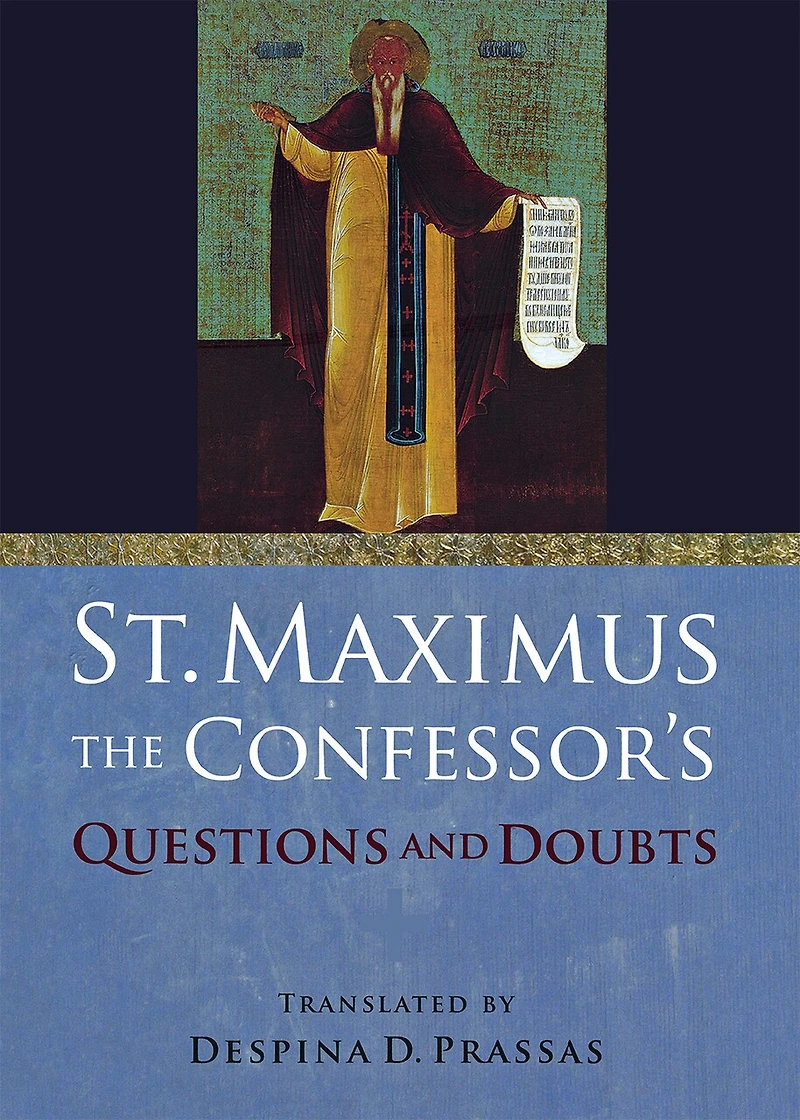
St. Maximus the Confessor's "Questions and Doubts"
By None
Current price: $67.95
Coles
St. Maximus the Confessor's "Questions and Doubts"
By None
Current price: $67.95
Loading Inventory...
Size: Hardcover
*Product information and pricing may vary - to confirm current pricing, availability, shipping, and return information please contact Coles. In the event of a pricing discrepancy, the retailer's price will apply.
Despina D. Prassas's translation of the Quaestiones et Dubia presents for the first time in English one of the Confessor's most significant contributions to early Christian biblical interpretation. Maximus the Confessor (580?662) was a monk whose writings focused on ascetical interpretations of biblical and patristic works. For his refusal to accept the Monothelite position supported by Emperor Constans II, he was tried as a heretic, his right hand was cut off, and his tongue was cut out.
In his work, Maximus the Confessor brings together the patristic exegetical aporiai tradition and the spiritual-pedagogical tradition of monastic questions and responses. The overarching theme is the importance of the ascetical life. For Maximus, askesis is a lifelong endeavor that consists of the struggle and discipline to maintain control over the passions. One engages in the ascetical life by taking part in both theoria (contemplation) and praxis (action). To convey this teaching, Maximus uses a number of pedagogical tools including allegory, etymology, number symbolism, and military terminology.
Prassas provides a rich historical and contextual background in her introduction to help ground and familiarize the reader with this work.
Despina D. Prassas's translation of the Quaestiones et Dubia presents for the first time in English one of the Confessor's most significant contributions to early Christian biblical interpretation. Maximus the Confessor (580?662) was a monk whose writings focused on ascetical interpretations of biblical and patristic works. For his refusal to accept the Monothelite position supported by Emperor Constans II, he was tried as a heretic, his right hand was cut off, and his tongue was cut out.
In his work, Maximus the Confessor brings together the patristic exegetical aporiai tradition and the spiritual-pedagogical tradition of monastic questions and responses. The overarching theme is the importance of the ascetical life. For Maximus, askesis is a lifelong endeavor that consists of the struggle and discipline to maintain control over the passions. One engages in the ascetical life by taking part in both theoria (contemplation) and praxis (action). To convey this teaching, Maximus uses a number of pedagogical tools including allegory, etymology, number symbolism, and military terminology.
Prassas provides a rich historical and contextual background in her introduction to help ground and familiarize the reader with this work.
You May Also Like








More About Coles at Prairie Mall
11801 100 St #104, Grande Prairie, AB T8V 3Y2, Canada
Find Coles at Prairie Mall in Grande Prairie, AB
Visit Coles at Prairie Mall in Grande Prairie, AB