


Gifting Made Simple
Give the Gift of ChoiceClick below to purchase a Prairie Mall eGift Card that can be used at participating retailers at Prairie Mall.Buy Gift CardHome
Speech Rhythm Varieties Of English: Evidence From Educated Indian English And British
Coles
Loading Inventory...
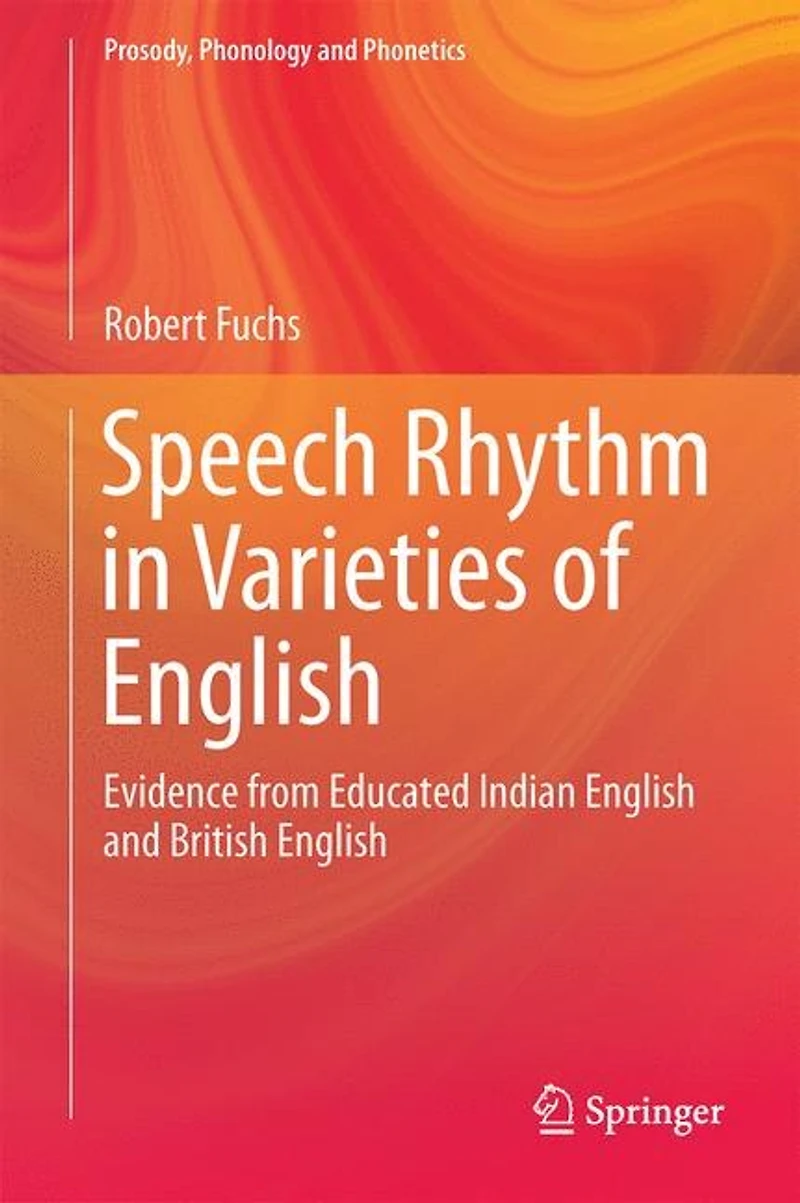
Speech Rhythm Varieties Of English: Evidence From Educated Indian English And British
By None
Current price: $80.50
Coles
Speech Rhythm Varieties Of English: Evidence From Educated Indian English And British
By None
Current price: $80.50
Loading Inventory...
Size: Hardcover
*Product information and pricing may vary - to confirm current pricing, availability, shipping, and return information please contact Coles. In the event of a pricing discrepancy, the retailer's price will apply.
This book addresses the question whether Educated Indian English is more syllable-timed than British English from two standpoints: production and perception. Many post-colonial varieties of English, which are mostly spoken as a second language in countries such as India, Nigeria and the Philippines, are thought to have a syllable-timed rhythm, whereas first language varieties such as British English are characterized as being stress-timed. While previous studies mostly relied on a single acoustic correlate of speech rhythm, usually duration, the author proposes a multidimensional approach to the production of speech rhythm that takes into account various acoustic correlates. The results reveal that the two varieties differ with regard to a number of dimensions, such as duration, sonority, intensity, loudness, pitch and glottal stop insertion. The second part of the study addresses the question whether the difference in speech rhythm between Indian and British English is perceptually relevant, based on intelligibility and dialect discrimination experiments. The results reveal that speakers generally find the rhythm of their own variety more intelligible and that listeners can identify which variety a speaker is using on the basis of differences in speech rhythm.
This book addresses the question whether Educated Indian English is more syllable-timed than British English from two standpoints: production and perception. Many post-colonial varieties of English, which are mostly spoken as a second language in countries such as India, Nigeria and the Philippines, are thought to have a syllable-timed rhythm, whereas first language varieties such as British English are characterized as being stress-timed. While previous studies mostly relied on a single acoustic correlate of speech rhythm, usually duration, the author proposes a multidimensional approach to the production of speech rhythm that takes into account various acoustic correlates. The results reveal that the two varieties differ with regard to a number of dimensions, such as duration, sonority, intensity, loudness, pitch and glottal stop insertion. The second part of the study addresses the question whether the difference in speech rhythm between Indian and British English is perceptually relevant, based on intelligibility and dialect discrimination experiments. The results reveal that speakers generally find the rhythm of their own variety more intelligible and that listeners can identify which variety a speaker is using on the basis of differences in speech rhythm.
You May Also Like











More About Coles at Prairie Mall
11801 100 St #104, Grande Prairie, AB T8V 3Y2, Canada
Find Coles at Prairie Mall in Grande Prairie, AB
Visit Coles at Prairie Mall in Grande Prairie, AB