


Gifting Made Simple
Give the Gift of ChoiceClick below to purchase a Prairie Mall eGift Card that can be used at participating retailers at Prairie Mall.Buy Gift CardHome
Speaking Hatefully: Culture, Communication, And Political Action Hungary
Coles
Loading Inventory...
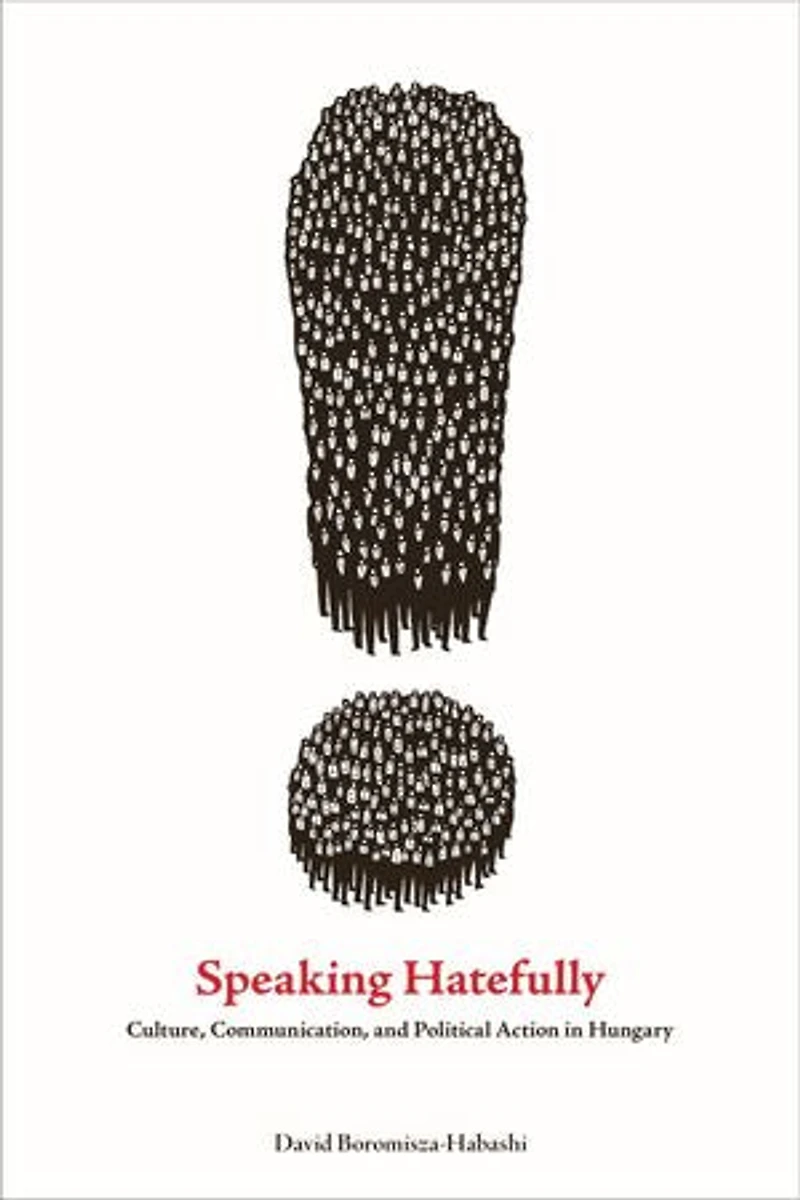
Speaking Hatefully: Culture, Communication, And Political Action Hungary in Grande Prairie, AB
Current price: $24.79
Original price: $30.99
Coles
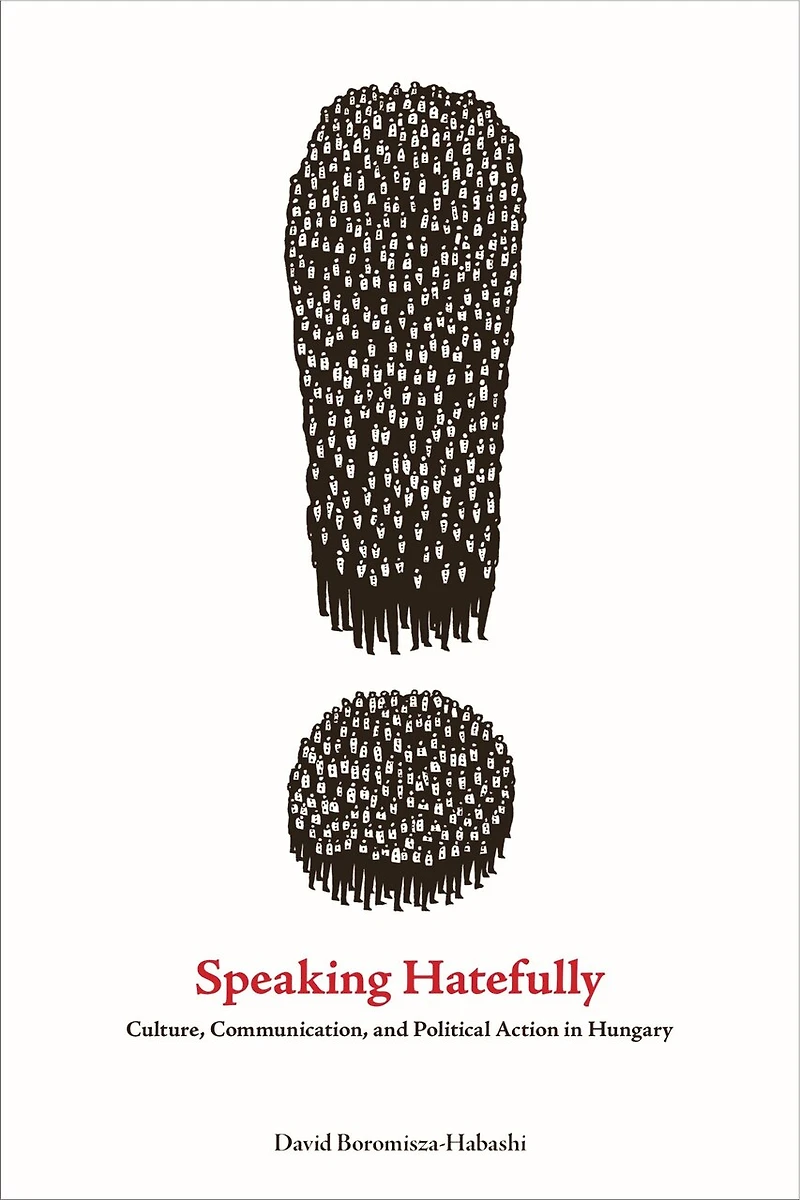
Speaking Hatefully: Culture, Communication, And Political Action Hungary in Grande Prairie, AB
Current price: $24.79
Original price: $30.99
Loading Inventory...
Size: Kobo eBook
*Product information and pricing may vary - to confirm current pricing, availability, shipping, and return information please contact Coles. In the event of a pricing discrepancy, the retailer's price will apply.
In Speaking Hatefully , David Boromisza-Habashi focuses on the use of the term “hate speech” as a window on the cultural logic of political and moral struggle in public deliberation. This empirical study of gyűlöletbeszéd, or "hate speech," in Hungary documents competing meanings of the term, the interpretive strategies used to generate those competing meanings, and the parallel moral systems that inspire political actors to question their opponents’ interpretations. In contrast to most existing treatments of the subject, Boromisza-Habashi’s argument does not rely on pre-existing definitions of "hate speech." Instead, he uses a combination of ethnographic and discourse analytic methods to map existing meanings and provide insight into the sociocultural life of those meanings in a troubled political environment.
In Speaking Hatefully , David Boromisza-Habashi focuses on the use of the term “hate speech” as a window on the cultural logic of political and moral struggle in public deliberation. This empirical study of gyűlöletbeszéd, or "hate speech," in Hungary documents competing meanings of the term, the interpretive strategies used to generate those competing meanings, and the parallel moral systems that inspire political actors to question their opponents’ interpretations. In contrast to most existing treatments of the subject, Boromisza-Habashi’s argument does not rely on pre-existing definitions of "hate speech." Instead, he uses a combination of ethnographic and discourse analytic methods to map existing meanings and provide insight into the sociocultural life of those meanings in a troubled political environment.
You May Also Like









Find at Prairie Mall in Grande Prairie, AB
Visit at Prairie Mall in Grande Prairie, AB