


Gifting Made Simple
Give the Gift of ChoiceClick below to purchase a Prairie Mall eGift Card that can be used at participating retailers at Prairie Mall.Buy Gift CardHome
Sound-Blind: American Literature and the Politics of Transcription
Coles
Loading Inventory...
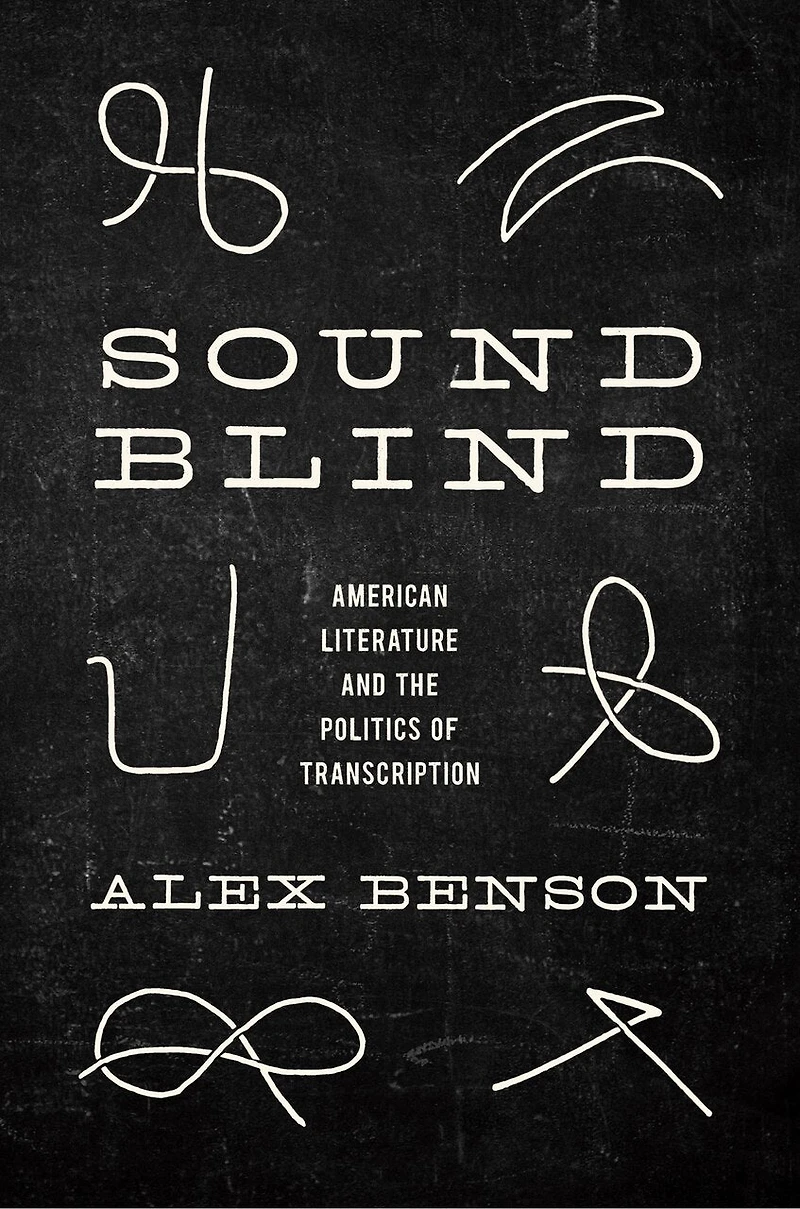
Sound-Blind: American Literature and the Politics of Transcription in Grande Prairie, AB
Current price: $141.95
Coles
Sound-Blind: American Literature and the Politics of Transcription in Grande Prairie, AB
Current price: $141.95
Loading Inventory...
Size: Hardcover
*Product information and pricing may vary - to confirm current pricing, availability, shipping, and return information please contact Coles. In the event of a pricing discrepancy, the retailer's price will apply.
In the 1880s, a new medical term flashed briefly into public awareness in the United States. Children who had trouble distinguishing between similar speech sounds were said to suffer from “sound-blindness.” The term is now best remembered through anthropologist Franz Boas, whose work deeply influenced the way we talk about cultural difference. In this fascinating work of literary and cultural history, Alex Benson takes the concept as an opening onto other stories of listening, writing, and power—stories that expand our sense of how a syllable, a word, a gesture, or a song can be put into print, and why it matters.
Benson interweaves ethnographies, memoirs, local-color stories, modernist novels, silent film scripts, and more. Taken together, these seemingly disparate texts—by writers including John M. Oskison, Helen Keller, W. E. B. Du Bois, F. Scott Fitzgerald, and Elsie Clews Parsons—show that the act of transcription, never neutral, is conditioned by the histories of race, land, and ability. By carefully tracing these conditions, Benson argues, we can tease out much that has been left off the record in narratives of American nationhood and American literature.
In the 1880s, a new medical term flashed briefly into public awareness in the United States. Children who had trouble distinguishing between similar speech sounds were said to suffer from “sound-blindness.” The term is now best remembered through anthropologist Franz Boas, whose work deeply influenced the way we talk about cultural difference. In this fascinating work of literary and cultural history, Alex Benson takes the concept as an opening onto other stories of listening, writing, and power—stories that expand our sense of how a syllable, a word, a gesture, or a song can be put into print, and why it matters.
Benson interweaves ethnographies, memoirs, local-color stories, modernist novels, silent film scripts, and more. Taken together, these seemingly disparate texts—by writers including John M. Oskison, Helen Keller, W. E. B. Du Bois, F. Scott Fitzgerald, and Elsie Clews Parsons—show that the act of transcription, never neutral, is conditioned by the histories of race, land, and ability. By carefully tracing these conditions, Benson argues, we can tease out much that has been left off the record in narratives of American nationhood and American literature.
You May Also Like











Find at Prairie Mall in Grande Prairie, AB
Visit at Prairie Mall in Grande Prairie, AB