


Gifting Made Simple
Give the Gift of ChoiceClick below to purchase a Prairie Mall eGift Card that can be used at participating retailers at Prairie Mall.Buy Gift CardHome
Sober Cannibals, Drunken Christians: Melville, Kierkegaard, and Tragic Optimism in Polarized Works
Coles
Loading Inventory...
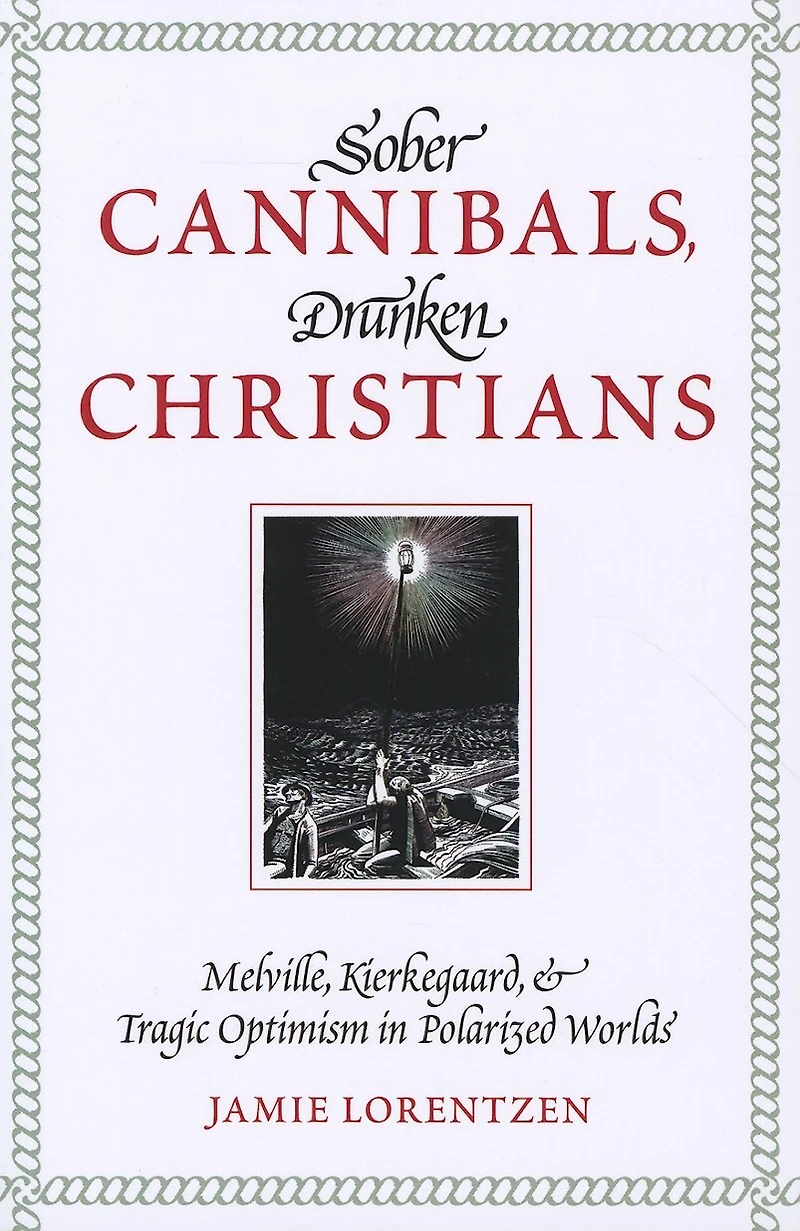
Sober Cannibals, Drunken Christians: Melville, Kierkegaard, and Tragic Optimism in Polarized Works in Grande Prairie, AB
Current price: $45.50
Coles
Sober Cannibals, Drunken Christians: Melville, Kierkegaard, and Tragic Optimism in Polarized Works in Grande Prairie, AB
Current price: $45.50
Loading Inventory...
Size: Paperback
*Product information and pricing may vary - to confirm current pricing, availability, shipping, and return information please contact Coles. In the event of a pricing discrepancy, the retailer's price will apply.
Despite that they didn't know each other, the writing styles of American writer Herman Melville and Danish writer Sren Kierkegaard complement each other, especially their humor, irony, penchants for paradox, and passions for imagery and poetics. In addition, their works similarly address issues of the world and time. Esthetic, ethical, social, philosophical, and theological paths on which they walk reveal similar footprints. Melville's and Kierkegaard's rebounding echoes reverberate in our highly charged and polarized times, speaking especially to the timeless conundrum of what Kierkegaard calls the "disastrous confounding of politics and religion" and what Melville calls "drunken" Christianitynamely, the intoxicated mixing of worldly issues with otherworldly issues without care paid to maintaining necessary ethical distinctions.
Despite that they didn't know each other, the writing styles of American writer Herman Melville and Danish writer Sren Kierkegaard complement each other, especially their humor, irony, penchants for paradox, and passions for imagery and poetics. In addition, their works similarly address issues of the world and time. Esthetic, ethical, social, philosophical, and theological paths on which they walk reveal similar footprints. Melville's and Kierkegaard's rebounding echoes reverberate in our highly charged and polarized times, speaking especially to the timeless conundrum of what Kierkegaard calls the "disastrous confounding of politics and religion" and what Melville calls "drunken" Christianitynamely, the intoxicated mixing of worldly issues with otherworldly issues without care paid to maintaining necessary ethical distinctions.
You May Also Like









Find at Prairie Mall in Grande Prairie, AB
Visit at Prairie Mall in Grande Prairie, AB