


Gifting Made Simple
Give the Gift of ChoiceClick below to purchase a Prairie Mall eGift Card that can be used at participating retailers at Prairie Mall.Buy Gift CardHome
Small Changes, Big Impact: Ten Strategies to Promote Student Efficacy and Lifelong Learning (A pocket guide school reform through research-based instructional strategies)
Coles
Loading Inventory...
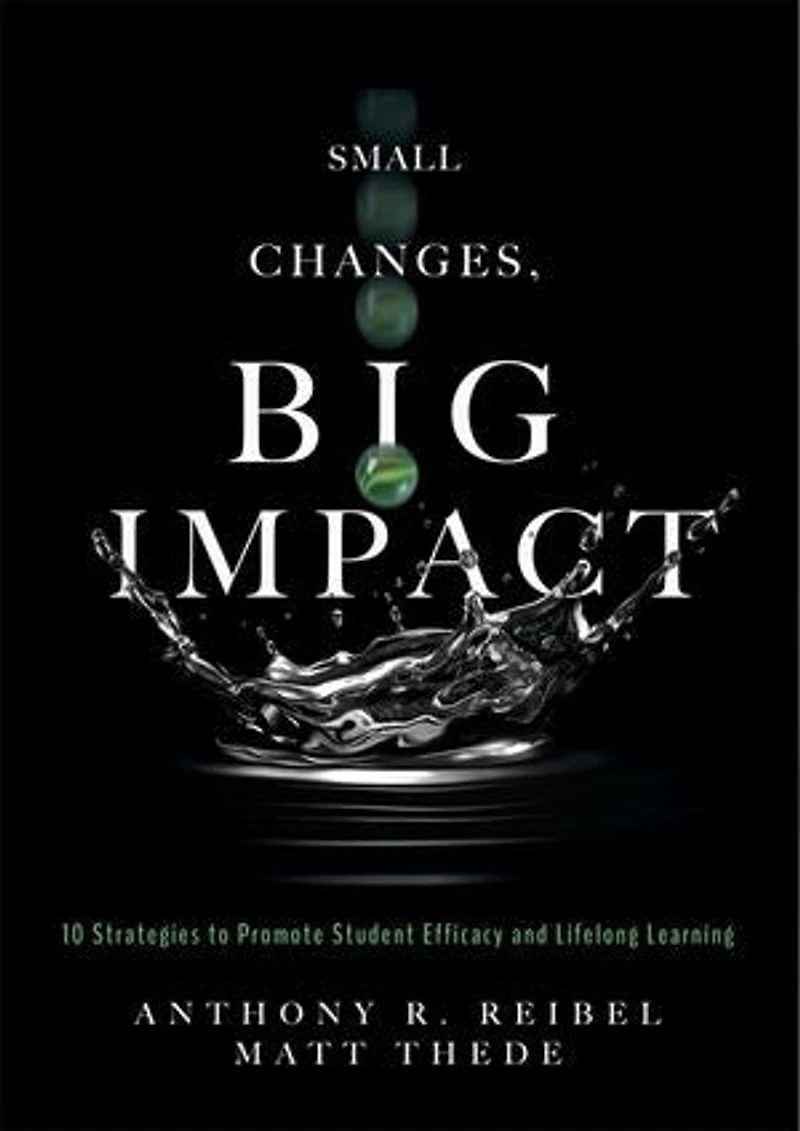
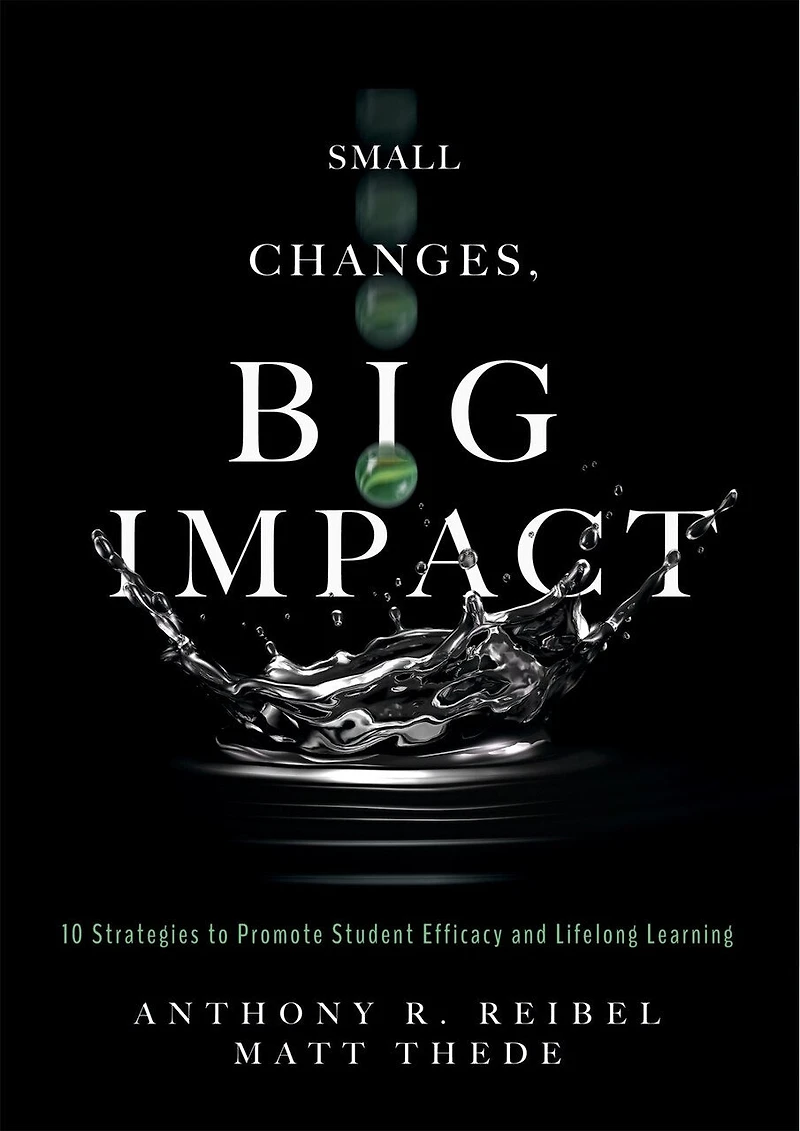
Small Changes, Big Impact: Ten Strategies to Promote Student Efficacy and Lifelong Learning (A pocket guide school reform through research-based instructional strategies) in Grande Prairie, AB
Current price: $43.99
Original price: $54.99
Coles
Small Changes, Big Impact: Ten Strategies to Promote Student Efficacy and Lifelong Learning (A pocket guide school reform through research-based instructional strategies) in Grande Prairie, AB
Current price: $43.99
Original price: $54.99
Loading Inventory...
Size: Kobo eBook
*Product information and pricing may vary - to confirm current pricing, availability, shipping, and return information please contact Coles. In the event of a pricing discrepancy, the retailer's price will apply.
Discover a pathway to improvement that is simple and field tested. Designed as a practical guide to school reform, this resource outlines a series of ten small-scale changes powerful enough to make a lasting impact in schools and districts. Within each chapter, you will find easy-to-implement strategies for strengthening culture, building relationships, and promoting student growth at every K-12 grade level. Use this resource to leverage student reflection and reperformance to ensure high levels of learning:
Understand how to redefine student success as efficacy and ownership of learning. Gain research-based instructional strategies and teaching methods for creating student-centered mission statements that promote student success, self-reliance, and social-emotional learning (SEL). Explore how to use performance-based assessments as a process for learning. Examine the qualities of growth-based feedback to promote a future pathway for achievement. Obtain tools for developing dynamic reporting structures that communicate stories of learning and promote self-evaluation.
Contents:
Chapter 1: Redefine Student Success
Chapter 2: Create Student-Centered Mission Statements
Chapter 3: Organize the Curriculum Around Skills, Not Content
Chapter 4: Develop Student-Centered Rubrics
Chapter 5: Use Assessment as a Process for Learning
Chapter 6: Implement a Generative Learning Model of Instruction
Chapter 7: Provide Critical Growth-Based Feedback
Chapter 8: Leverage Reflection and Reperformance
Chapter 9: Use Evidence-Based Grading Practices
Chapter 10: Establish Dynamic Reporting Structures
Discover a pathway to improvement that is simple and field tested. Designed as a practical guide to school reform, this resource outlines a series of ten small-scale changes powerful enough to make a lasting impact in schools and districts. Within each chapter, you will find easy-to-implement strategies for strengthening culture, building relationships, and promoting student growth at every K-12 grade level. Use this resource to leverage student reflection and reperformance to ensure high levels of learning:
Understand how to redefine student success as efficacy and ownership of learning. Gain research-based instructional strategies and teaching methods for creating student-centered mission statements that promote student success, self-reliance, and social-emotional learning (SEL). Explore how to use performance-based assessments as a process for learning. Examine the qualities of growth-based feedback to promote a future pathway for achievement. Obtain tools for developing dynamic reporting structures that communicate stories of learning and promote self-evaluation.
Contents:
Chapter 1: Redefine Student Success
Chapter 2: Create Student-Centered Mission Statements
Chapter 3: Organize the Curriculum Around Skills, Not Content
Chapter 4: Develop Student-Centered Rubrics
Chapter 5: Use Assessment as a Process for Learning
Chapter 6: Implement a Generative Learning Model of Instruction
Chapter 7: Provide Critical Growth-Based Feedback
Chapter 8: Leverage Reflection and Reperformance
Chapter 9: Use Evidence-Based Grading Practices
Chapter 10: Establish Dynamic Reporting Structures
You May Also Like














Find at Prairie Mall in Grande Prairie, AB
Visit at Prairie Mall in Grande Prairie, AB