


Gifting Made Simple
Give the Gift of ChoiceClick below to purchase a Prairie Mall eGift Card that can be used at participating retailers at Prairie Mall.Buy Gift CardHome
Sleeping Dogs: Quebec and the Stabilization of Canadian Federalism after 1995
Coles
Loading Inventory...
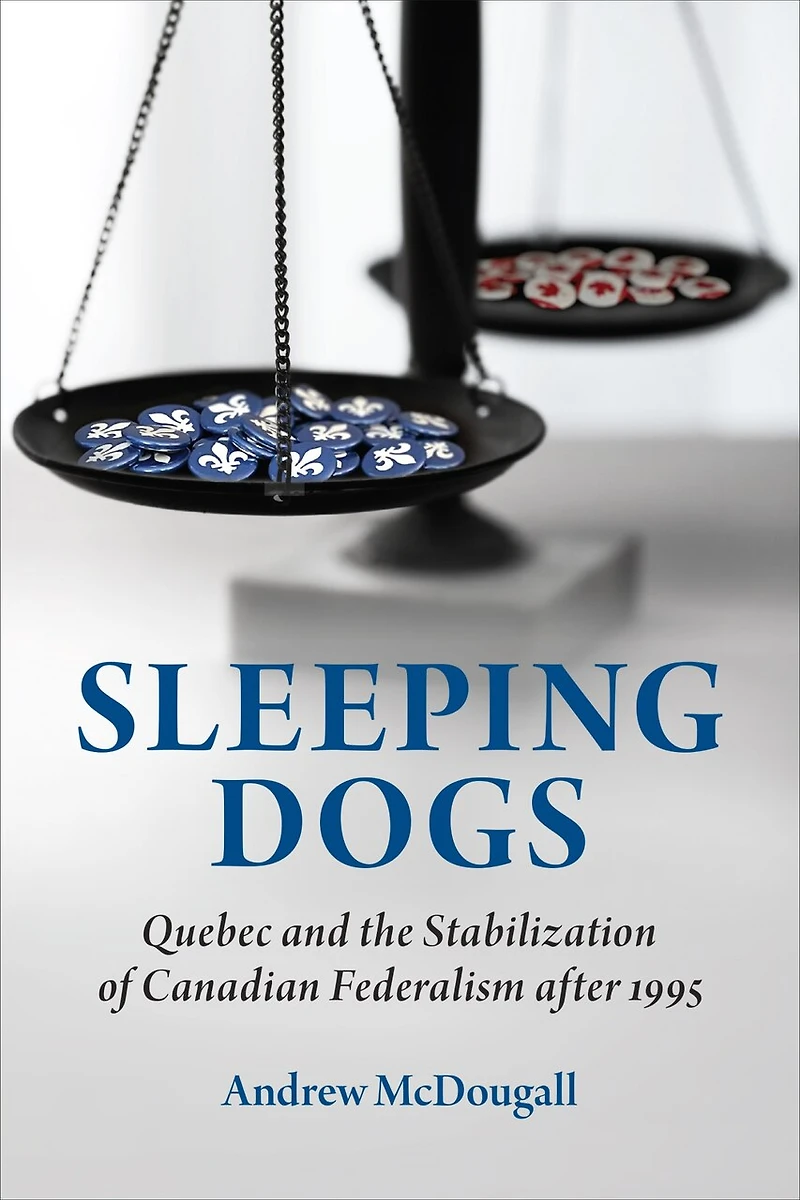
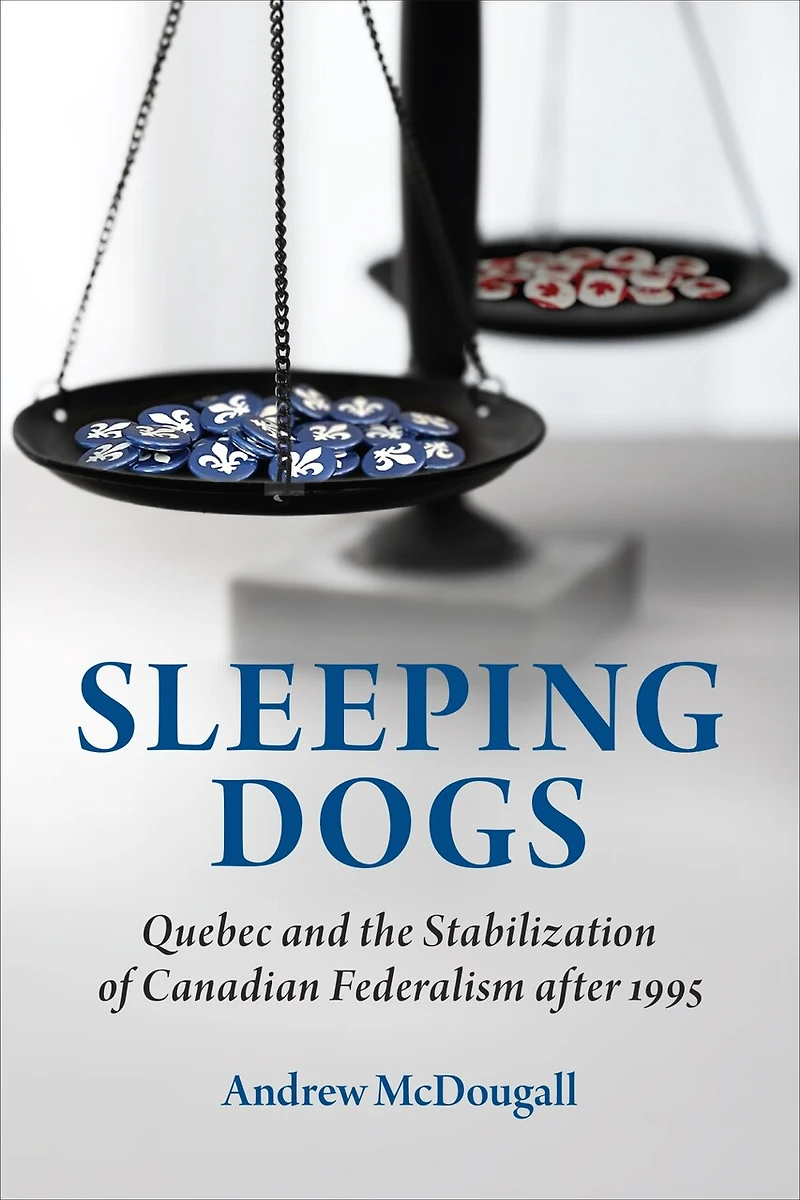
Sleeping Dogs: Quebec and the Stabilization of Canadian Federalism after 1995 in Grande Prairie, AB
Current price: $104.25
Coles
Sleeping Dogs: Quebec and the Stabilization of Canadian Federalism after 1995 in Grande Prairie, AB
Current price: $104.25
Loading Inventory...
Size: Hardcover
*Product information and pricing may vary - to confirm current pricing, availability, shipping, and return information please contact Coles. In the event of a pricing discrepancy, the retailer's price will apply.
What happened to the Quebec sovereignty movement after 1995? In Sleeping Dogs , Andrew McDougall reveals how a change in federalist strategy, combined with an improving political context, helped Canada stabilize its federal system and bury the "Quebec question" for the foreseeable future.
The book identifies five potential reasons the Quebec sovereignty movement lost momentum and argues that all contributed to a political environment that benefited federalists. McDougall explores topics of elite accommodation, generational change, changing identity politics, economic globalization, and constitutional fatigue. He argues that Canada’s federalist political elites have capitalized on these developments to stabilize the country by dropping the national question – even when they might still hold very different visions of the Constitution. Building on "constitutional abeyance" theory, the author conceives of this strategic change as the restoration of a constitutional abeyance among federalist actors. Considering recent history in light of subsequent developments, Sleeping Dogs is a timely and important attempt to understand the evolving situation in Quebec and Canadian federalism.
What happened to the Quebec sovereignty movement after 1995? In Sleeping Dogs , Andrew McDougall reveals how a change in federalist strategy, combined with an improving political context, helped Canada stabilize its federal system and bury the "Quebec question" for the foreseeable future.
The book identifies five potential reasons the Quebec sovereignty movement lost momentum and argues that all contributed to a political environment that benefited federalists. McDougall explores topics of elite accommodation, generational change, changing identity politics, economic globalization, and constitutional fatigue. He argues that Canada’s federalist political elites have capitalized on these developments to stabilize the country by dropping the national question – even when they might still hold very different visions of the Constitution. Building on "constitutional abeyance" theory, the author conceives of this strategic change as the restoration of a constitutional abeyance among federalist actors. Considering recent history in light of subsequent developments, Sleeping Dogs is a timely and important attempt to understand the evolving situation in Quebec and Canadian federalism.
You May Also Like













Find at Prairie Mall in Grande Prairie, AB
Visit at Prairie Mall in Grande Prairie, AB