


Gifting Made Simple
Give the Gift of ChoiceClick below to purchase a Prairie Mall eGift Card that can be used at participating retailers at Prairie Mall.Buy Gift CardHome
Slavery, Capitalism, and Women's Literature: Economic Insights of American Women Writers, 1852-1869
Coles
Loading Inventory...
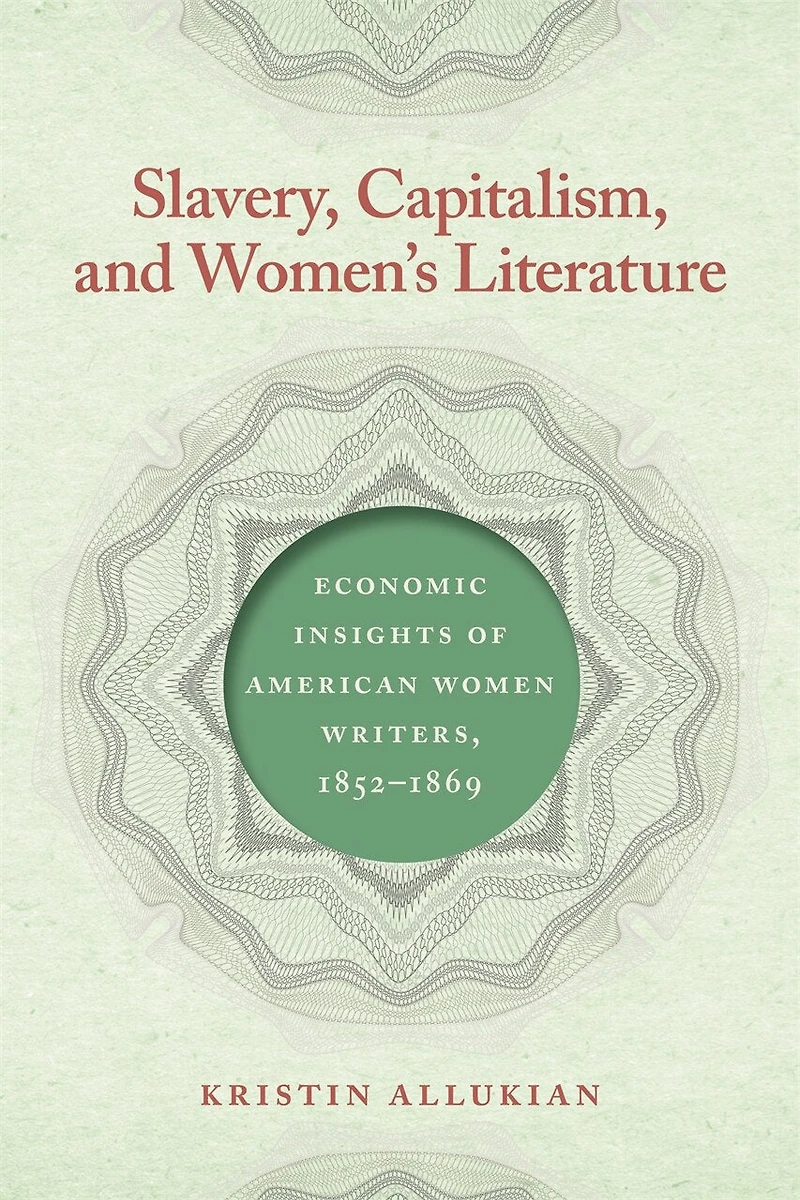
Slavery, Capitalism, and Women's Literature: Economic Insights of American Women Writers, 1852-1869 in Grande Prairie, AB
Current price: $175.95
Coles
Slavery, Capitalism, and Women's Literature: Economic Insights of American Women Writers, 1852-1869 in Grande Prairie, AB
Current price: $175.95
Loading Inventory...
Size: Hardcover
*Product information and pricing may vary - to confirm current pricing, availability, shipping, and return information please contact Coles. In the event of a pricing discrepancy, the retailer's price will apply.
With Slavery, Capitalism, and Women’s Literature , Kristin Allukian makes an important contribution to slavery and capitalism scholarship by including the voices of some of the best-known nineteenth-century American women writers. Women’s literature offers crucial and previously unconsidered economic insights into the relationship between slavery and capitalism, different from those we typically find in economics and economic histories.
Allukian demonstrates that because women’s imaginative and creative texts take the material-historical connection of slavery and capitalism as their starting point, they can be read for the more speculative extensions of that connection, extensions not possible to discover on a material-historical level. Indeed, Allukian contends, these authors and texts disclose unique economic insights, critiques, and theories in ways that are only possible through literary writing.
The writers featured in this study—Harriet Beecher Stowe, Lucy Larcom, Harriet Jacobs, and Frances Ellen Watkins Harper—published written accounts of the continuities between slavery and capitalism including between language and activism, accounting and sentimentalism, labor and technology, race and property, and inheritance and reparations. Their essays, novels, poems, and autobiographies provided forums to document data, stimulate debate, generate resistance, and imagine alternatives to the United States’ developing capitalist economy, engined and engineered by slavery. Without their unique economic insights, the national narrative we tell about the relationship between slavery and capitalism is incomplete.
With Slavery, Capitalism, and Women’s Literature , Kristin Allukian makes an important contribution to slavery and capitalism scholarship by including the voices of some of the best-known nineteenth-century American women writers. Women’s literature offers crucial and previously unconsidered economic insights into the relationship between slavery and capitalism, different from those we typically find in economics and economic histories.
Allukian demonstrates that because women’s imaginative and creative texts take the material-historical connection of slavery and capitalism as their starting point, they can be read for the more speculative extensions of that connection, extensions not possible to discover on a material-historical level. Indeed, Allukian contends, these authors and texts disclose unique economic insights, critiques, and theories in ways that are only possible through literary writing.
The writers featured in this study—Harriet Beecher Stowe, Lucy Larcom, Harriet Jacobs, and Frances Ellen Watkins Harper—published written accounts of the continuities between slavery and capitalism including between language and activism, accounting and sentimentalism, labor and technology, race and property, and inheritance and reparations. Their essays, novels, poems, and autobiographies provided forums to document data, stimulate debate, generate resistance, and imagine alternatives to the United States’ developing capitalist economy, engined and engineered by slavery. Without their unique economic insights, the national narrative we tell about the relationship between slavery and capitalism is incomplete.
You May Also Like








Find at Prairie Mall in Grande Prairie, AB
Visit at Prairie Mall in Grande Prairie, AB