


Gifting Made Simple
Give the Gift of ChoiceClick below to purchase a Prairie Mall eGift Card that can be used at participating retailers at Prairie Mall.Buy Gift CardHome
Shapes of Imagination: Calculating Coleridge's Magical Realm
Coles
Loading Inventory...
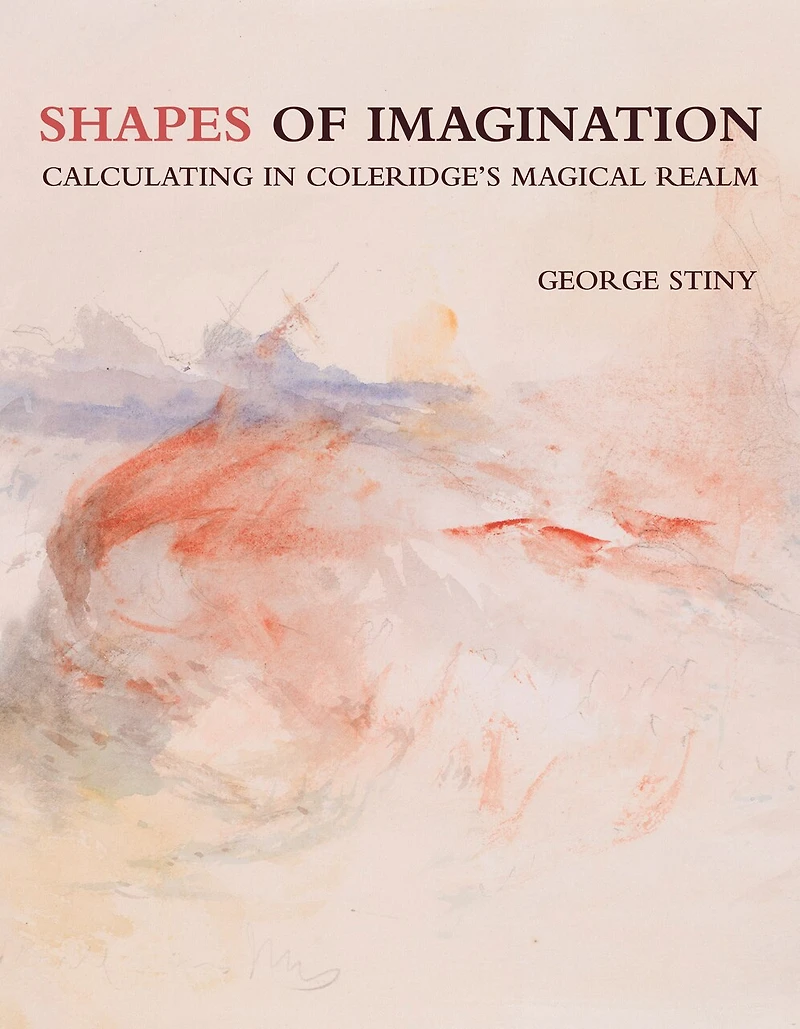
Shapes of Imagination: Calculating Coleridge's Magical Realm in Grande Prairie, AB
Current price: $47.99
Original price: $59.99
Coles
Shapes of Imagination: Calculating Coleridge's Magical Realm in Grande Prairie, AB
Current price: $47.99
Original price: $59.99
Loading Inventory...
Size: Kobo eBook
*Product information and pricing may vary - to confirm current pricing, availability, shipping, and return information please contact Coles. In the event of a pricing discrepancy, the retailer's price will apply.
Visual calculating in shape grammars aligns with art and design, bridging the gap between seeing (Coleridge's “imagination”) and combinatoric play (Coleridge's “fancy”).
In Shapes of Imagination , George Stiny runs visual calculating in shape grammars through art and design—incorporating Samuel Taylor Coleridge's poetic imagination and Oscar Wilde's corollary to see things as they aren't. Many assume that calculating limits art and design to suit computers, but shape grammars rely on seeing to prove otherwise. Rules that change what they see extend calculating to overtake what computers can do, in logic and with data and learning. Shape grammars bridge the divide between seeing (Coleridge's “imagination, or esemplastic power”) and combinatoric play (Coleridge's “fancy”).
Stiny shows that calculating without seeing excludes art and design. Seeing is key for calculating to augment creative activity with aesthetic insight and value. Shape grammars go by appearances, in a full-fledged aesthetic enterprise for the inconstant eye; they answer the question of what calculating would be like if Turing and von Neumann were artists instead of logicians. Art and design are calculating in all their splendid detail.
Visual calculating in shape grammars aligns with art and design, bridging the gap between seeing (Coleridge's “imagination”) and combinatoric play (Coleridge's “fancy”).
In Shapes of Imagination , George Stiny runs visual calculating in shape grammars through art and design—incorporating Samuel Taylor Coleridge's poetic imagination and Oscar Wilde's corollary to see things as they aren't. Many assume that calculating limits art and design to suit computers, but shape grammars rely on seeing to prove otherwise. Rules that change what they see extend calculating to overtake what computers can do, in logic and with data and learning. Shape grammars bridge the divide between seeing (Coleridge's “imagination, or esemplastic power”) and combinatoric play (Coleridge's “fancy”).
Stiny shows that calculating without seeing excludes art and design. Seeing is key for calculating to augment creative activity with aesthetic insight and value. Shape grammars go by appearances, in a full-fledged aesthetic enterprise for the inconstant eye; they answer the question of what calculating would be like if Turing and von Neumann were artists instead of logicians. Art and design are calculating in all their splendid detail.
You May Also Like










Find at Prairie Mall in Grande Prairie, AB
Visit at Prairie Mall in Grande Prairie, AB