


Gifting Made Simple
Give the Gift of ChoiceClick below to purchase a Prairie Mall eGift Card that can be used at participating retailers at Prairie Mall.Buy Gift CardHome
Samurai to Soldier: Remaking Military Service Nineteenth-Century Japan
Coles
Loading Inventory...
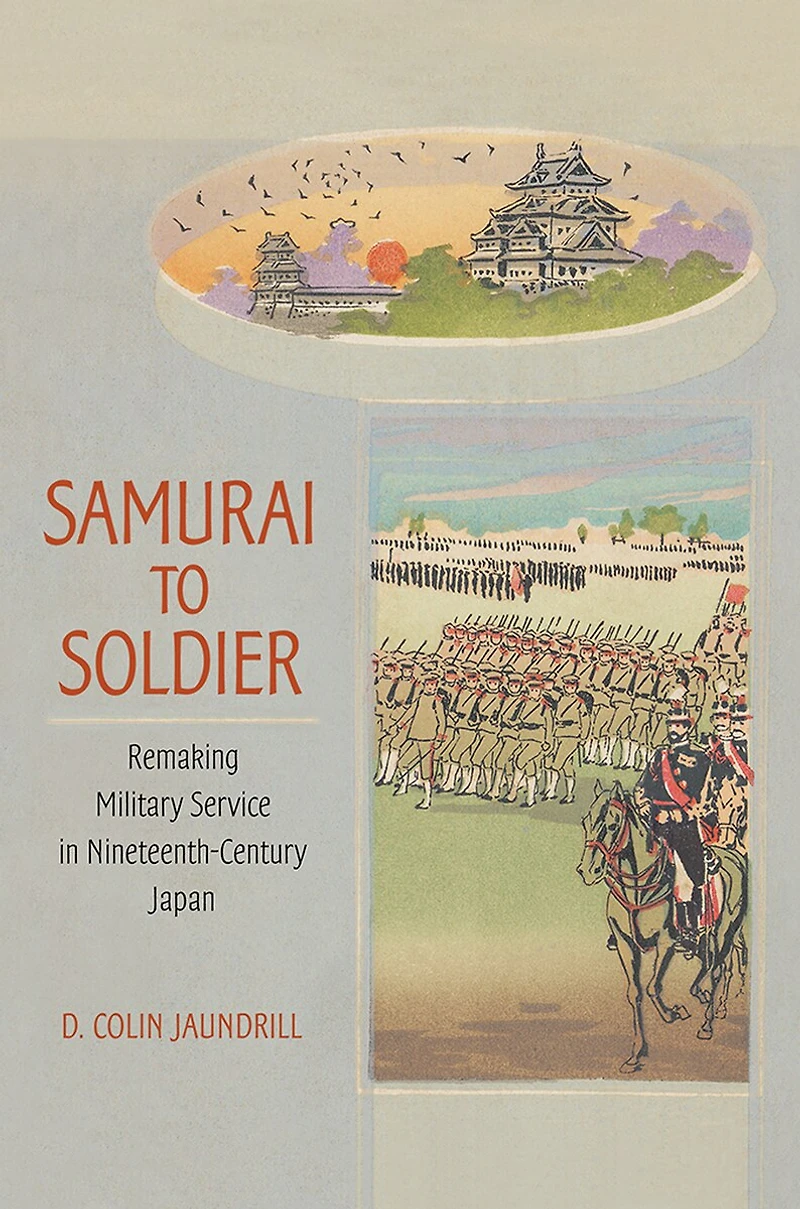
Samurai to Soldier: Remaking Military Service Nineteenth-Century Japan in Grande Prairie, AB
Current price: $67.95
Coles
Samurai to Soldier: Remaking Military Service Nineteenth-Century Japan in Grande Prairie, AB
Current price: $67.95
Loading Inventory...
Size: Hardcover
*Product information and pricing may vary - to confirm current pricing, availability, shipping, and return information please contact Coles. In the event of a pricing discrepancy, the retailer's price will apply.
In Samurai to Soldier , D. Colin Jaundrill rewrites the military history of nineteenth-century Japan. In fifty years spanning the collapse of the Tokugawa shogunate and the rise of the Meiji nation-state, conscripts supplanted warriors as Japan's principal arms-bearers. The most common version of this story suggests that the Meiji institution of compulsory military service was the foundation of Japan's efforts to save itself from the imperial ambitions of the West and set the country on the path to great power status. Jaundrill argues, to the contrary, that the conscript army of the Meiji period was the culmination—and not the beginning—of a long process of experimentation with military organization and technology. Jaundrill traces the radical changes to Japanese military institutions, as well as the on-field consequences of military reforms in his accounts of the Boshin War (1868–1869) and the Satsuma Rebellions of 1877. He shows how pre-1868 developments laid the foundations for the army that would secure Japan's Asian empire.
In Samurai to Soldier , D. Colin Jaundrill rewrites the military history of nineteenth-century Japan. In fifty years spanning the collapse of the Tokugawa shogunate and the rise of the Meiji nation-state, conscripts supplanted warriors as Japan's principal arms-bearers. The most common version of this story suggests that the Meiji institution of compulsory military service was the foundation of Japan's efforts to save itself from the imperial ambitions of the West and set the country on the path to great power status. Jaundrill argues, to the contrary, that the conscript army of the Meiji period was the culmination—and not the beginning—of a long process of experimentation with military organization and technology. Jaundrill traces the radical changes to Japanese military institutions, as well as the on-field consequences of military reforms in his accounts of the Boshin War (1868–1869) and the Satsuma Rebellions of 1877. He shows how pre-1868 developments laid the foundations for the army that would secure Japan's Asian empire.
You May Also Like

















Find at Prairie Mall in Grande Prairie, AB
Visit at Prairie Mall in Grande Prairie, AB