


Gifting Made Simple
Give the Gift of ChoiceClick below to purchase a Prairie Mall eGift Card that can be used at participating retailers at Prairie Mall.Buy Gift CardHome
Romanticism's Child: An Intellectual History of James Tod's Influence on Indian History and Historiography
Coles
Loading Inventory...
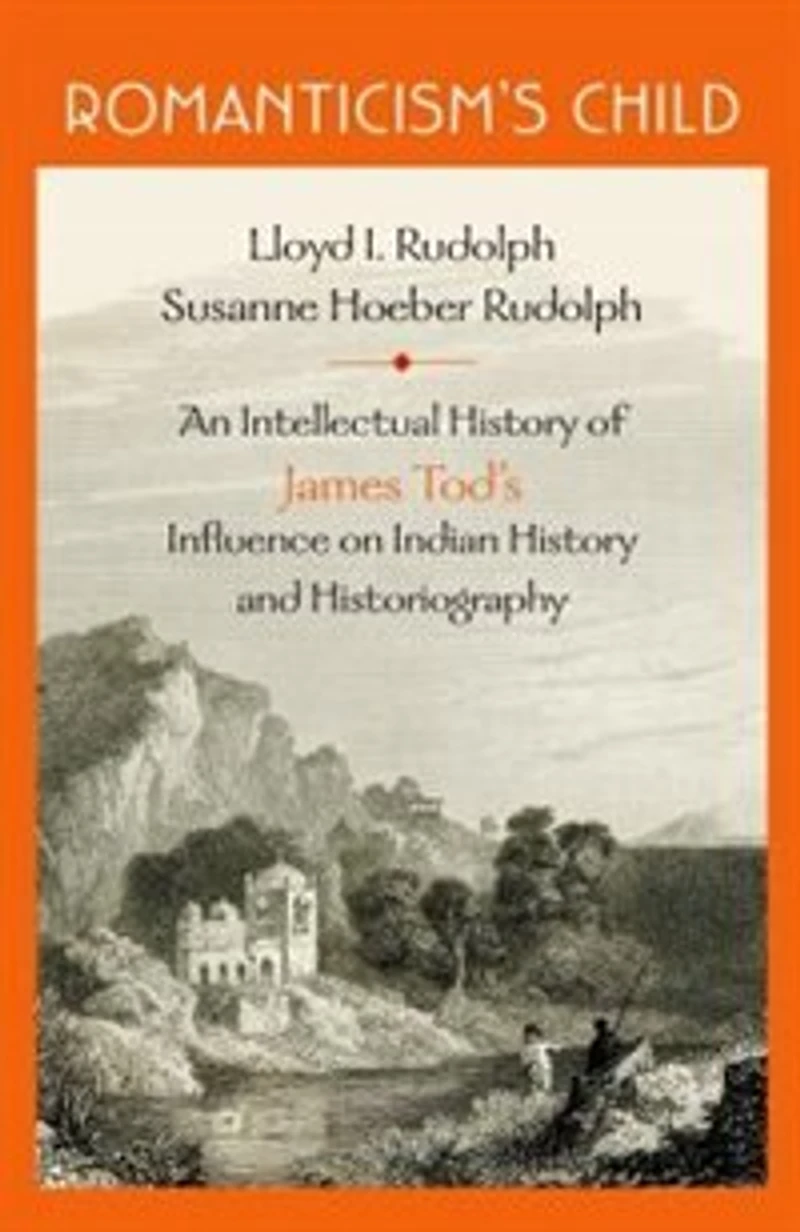
Romanticism's Child: An Intellectual History of James Tod's Influence on Indian History and Historiography
By None
Current price: $84.00
Coles
Romanticism's Child: An Intellectual History of James Tod's Influence on Indian History and Historiography
By None
Current price: $84.00
Loading Inventory...
Size: Hardcover
*Product information and pricing may vary - to confirm current pricing, availability, shipping, and return information please contact Coles. In the event of a pricing discrepancy, the retailer's price will apply.
The fascination of Colonel James Tod, one of the earliest colonial ethnographers, with the cultural practices, communities and histories of the people of Rajasthan led to a meticulous compilation of information about the region and its people, whom he deeply admired. His two-volume masterwork, Annals and Antiquities of Rajasthan, published in London in 1829 and 1832, inspired generations of popular renderings of the past, including nationalist and vernacular imaginations in the whole of South Asia. Tod's narrative style reflects the influence of Romanticism, medieval feudalism, and civilizational progress starkly at variance with the official colonial view of the pre-British past of India. What was the source of this "romanticism" of Colonel Tod?
Susanne and Lloyd Rudolph contextualize the formation of Tod's ideas and their reception through documents written by or to Tod, which help in situating and contextualizing his life work. Interestingly, the second part of the book collects the exchange between Tod and James Mill in the British parliament over the administration of British territories in India with Rajputana as a case study. This book thus significantly contributes to the exploration of knowledge-formation in colonial India and its contemporary influence.
The fascination of Colonel James Tod, one of the earliest colonial ethnographers, with the cultural practices, communities and histories of the people of Rajasthan led to a meticulous compilation of information about the region and its people, whom he deeply admired. His two-volume masterwork, Annals and Antiquities of Rajasthan, published in London in 1829 and 1832, inspired generations of popular renderings of the past, including nationalist and vernacular imaginations in the whole of South Asia. Tod's narrative style reflects the influence of Romanticism, medieval feudalism, and civilizational progress starkly at variance with the official colonial view of the pre-British past of India. What was the source of this "romanticism" of Colonel Tod?
Susanne and Lloyd Rudolph contextualize the formation of Tod's ideas and their reception through documents written by or to Tod, which help in situating and contextualizing his life work. Interestingly, the second part of the book collects the exchange between Tod and James Mill in the British parliament over the administration of British territories in India with Rajputana as a case study. This book thus significantly contributes to the exploration of knowledge-formation in colonial India and its contemporary influence.
You May Also Like








More About Coles at Prairie Mall
11801 100 St #104, Grande Prairie, AB T8V 3Y2, Canada
Find Coles at Prairie Mall in Grande Prairie, AB
Visit Coles at Prairie Mall in Grande Prairie, AB