


Gifting Made Simple
Give the Gift of ChoiceClick below to purchase a Prairie Mall eGift Card that can be used at participating retailers at Prairie Mall.Buy Gift CardHome
Roman Rural Archaeology: Society, Economy, and Culture
Coles
Loading Inventory...
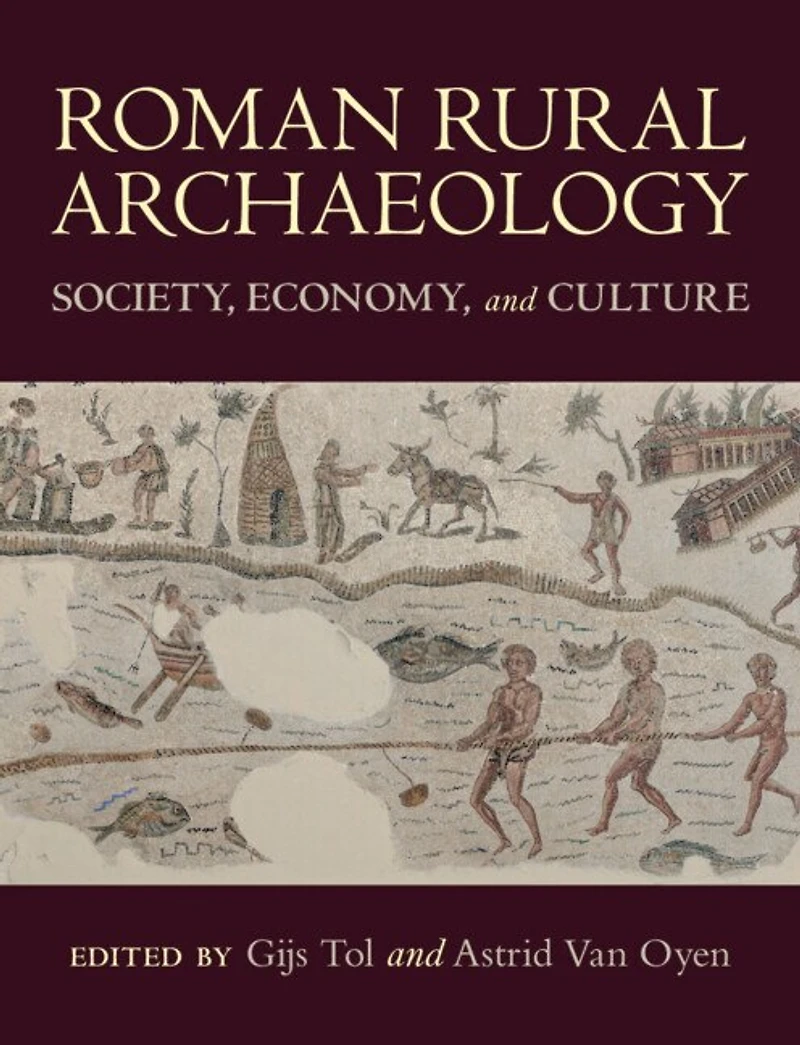
Roman Rural Archaeology: Society, Economy, and Culture
By None
Current price: $223.95
Coles
Roman Rural Archaeology: Society, Economy, and Culture
By None
Current price: $223.95
Loading Inventory...
Size: Hardcover
*Product information and pricing may vary - to confirm current pricing, availability, shipping, and return information please contact Coles. In the event of a pricing discrepancy, the retailer's price will apply.
The Roman world was a rural world. Most of the Roman population lived in the countryside and had their immediate rural surroundings as their social and economic frame of reference. For much of the Roman period, rural property provided the basis for political power and urban development, and it was in rural areas that the agricultural crops that sustained an expanding empire were grown and many of the most important Roman industries were situated. Rural areas witnessed the presence of some of the most durable symbols of Roman imperial hegemony, such as aqueducts and paved roads. It was mainly here that native and Roman traditions collided and were negotiated. This volume, containing 30 chapters by leading scholars, leverages recent methodological advancements and new interpretative frameworks to provide a holistic view, with an empire-wide reach, of the importance of Roman rural areas in the success of ancient Rome.
The Roman world was a rural world. Most of the Roman population lived in the countryside and had their immediate rural surroundings as their social and economic frame of reference. For much of the Roman period, rural property provided the basis for political power and urban development, and it was in rural areas that the agricultural crops that sustained an expanding empire were grown and many of the most important Roman industries were situated. Rural areas witnessed the presence of some of the most durable symbols of Roman imperial hegemony, such as aqueducts and paved roads. It was mainly here that native and Roman traditions collided and were negotiated. This volume, containing 30 chapters by leading scholars, leverages recent methodological advancements and new interpretative frameworks to provide a holistic view, with an empire-wide reach, of the importance of Roman rural areas in the success of ancient Rome.
You May Also Like










More About Coles at Prairie Mall
11801 100 St #104, Grande Prairie, AB T8V 3Y2, Canada
Find Coles at Prairie Mall in Grande Prairie, AB
Visit Coles at Prairie Mall in Grande Prairie, AB