


Gifting Made Simple
Give the Gift of ChoiceClick below to purchase a Prairie Mall eGift Card that can be used at participating retailers at Prairie Mall.Buy Gift CardHome
Ritual Civilization and Mythological Coding: Cultural Interpretation of Li Ji
Coles
Loading Inventory...
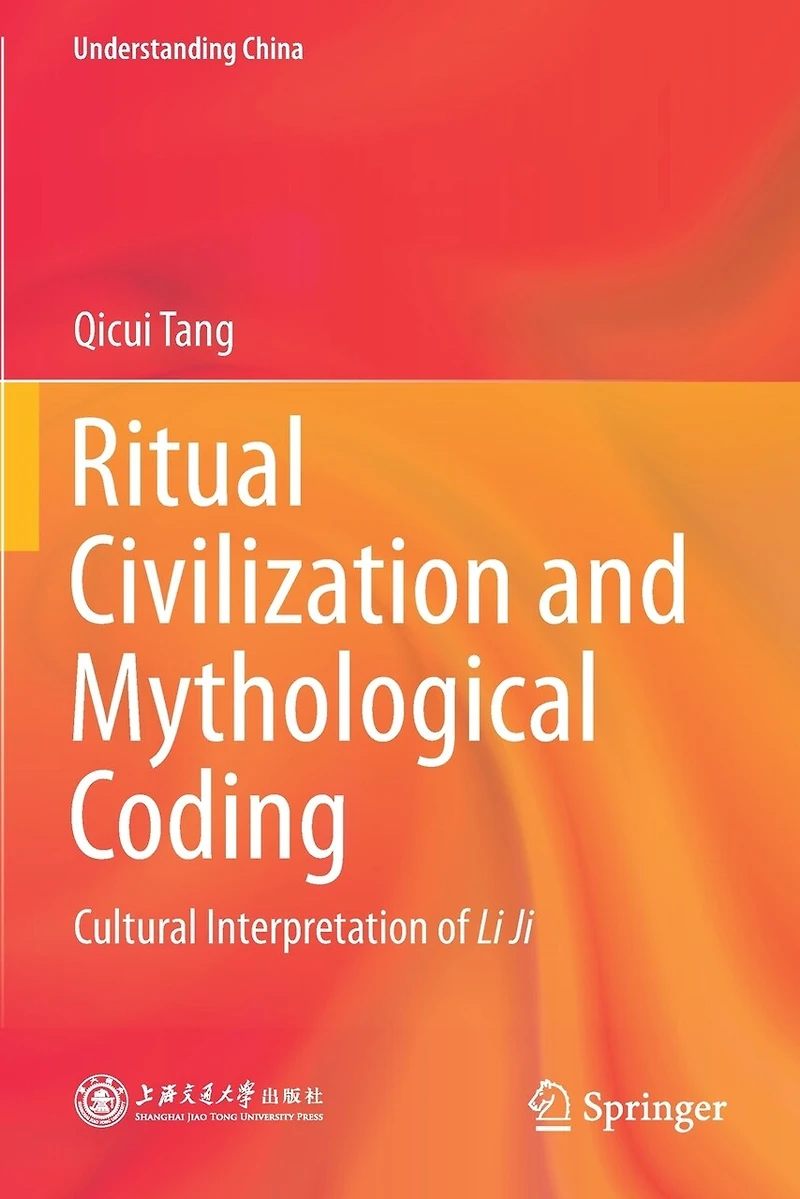
Ritual Civilization and Mythological Coding: Cultural Interpretation of Li Ji in Grande Prairie, AB
Current price: $80.50
Coles
Ritual Civilization and Mythological Coding: Cultural Interpretation of Li Ji in Grande Prairie, AB
Current price: $80.50
Loading Inventory...
Size: Paperback
*Product information and pricing may vary - to confirm current pricing, availability, shipping, and return information please contact Coles. In the event of a pricing discrepancy, the retailer's price will apply.
This book places Li Ji (the Book of Rites) back in the overall context of "books," "rites" and its research history, drawing on the interrelations between myth, ritual and "materialized" symbols to do so. Further, it employs the double perspectives of "books" and "rites" to explore the sources and symbols of the capping ceremony (rites of passage), decode the prototypes of Miao and Ming Tang, and restore the discourse patterns of "people of five directions." The book subsequently investigates the formation and function of the Yue Ling calendar and disaster ritual, so as to reveal the human cognitive encoding and metalanguage of ritual behavior involved. In the process, it demonstrates that Li Ji, its textual memories, archaeological remains and "traditional ceremony" narratives are all subject to the latent myth coding mechanism in China's cultural system, while the "compilation" and "materialized" remains are merely forms of ritual refactoring, interpretation and exhibition, used whenauthority seeks the aid of ritual civilization to strengthen its legitimacy and maintain the social order.
This book places Li Ji (the Book of Rites) back in the overall context of "books," "rites" and its research history, drawing on the interrelations between myth, ritual and "materialized" symbols to do so. Further, it employs the double perspectives of "books" and "rites" to explore the sources and symbols of the capping ceremony (rites of passage), decode the prototypes of Miao and Ming Tang, and restore the discourse patterns of "people of five directions." The book subsequently investigates the formation and function of the Yue Ling calendar and disaster ritual, so as to reveal the human cognitive encoding and metalanguage of ritual behavior involved. In the process, it demonstrates that Li Ji, its textual memories, archaeological remains and "traditional ceremony" narratives are all subject to the latent myth coding mechanism in China's cultural system, while the "compilation" and "materialized" remains are merely forms of ritual refactoring, interpretation and exhibition, used whenauthority seeks the aid of ritual civilization to strengthen its legitimacy and maintain the social order.
You May Also Like








Find at Prairie Mall in Grande Prairie, AB
Visit at Prairie Mall in Grande Prairie, AB