


Gifting Made Simple
Give the Gift of ChoiceClick below to purchase a Prairie Mall eGift Card that can be used at participating retailers at Prairie Mall.Buy Gift CardHome
Rights Rebellion: Indigenous Struggle and Human Chiapas
Coles
Loading Inventory...
Rights Rebellion: Indigenous Struggle and Human Chiapas in Grande Prairie, AB
Current price: $145.99
Coles
Rights Rebellion: Indigenous Struggle and Human Chiapas in Grande Prairie, AB
Current price: $145.99
Loading Inventory...
Size: Hardcover
*Product information and pricing may vary - to confirm current pricing, availability, shipping, and return information please contact Coles. In the event of a pricing discrepancy, the retailer's price will apply.
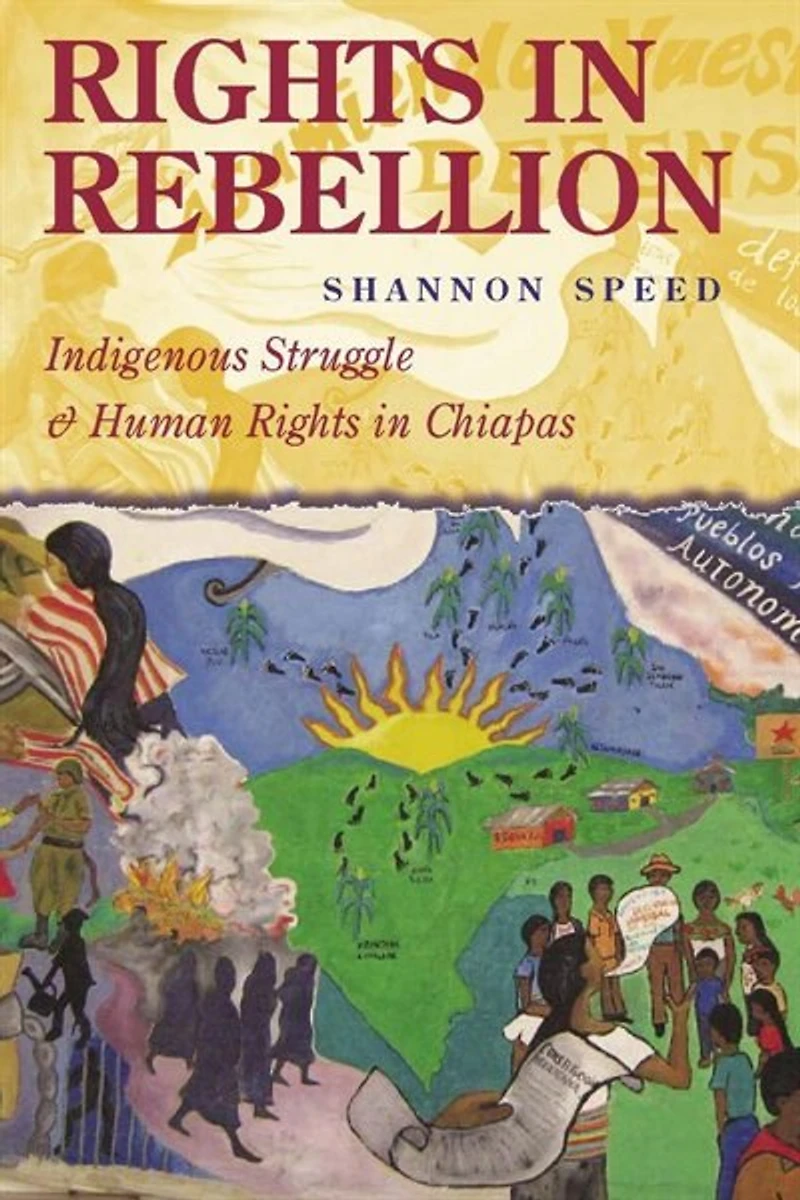
Rights in Rebellion examines the global discourse of human rights and its influence on the local culture, identity, and forms of resistance. Through a multi-sited ethnography of various groups in the indigenous communities of Chiapas, Mexico—from paramilitaries to a Zapatista community, an indigenous human rights organization, and the Zapatista Good Governance Councils—the book explores how different groups actively engage with the discourse of rights, adapting it to their own individual subjectivities and goals, and develop new forms of resistance to the neoliberal model and its particular configurations of power.
Far from being a traditional community study, this book instead follows the discourse of human rights and indigenous rights through their various manifestations. The author offers a compelling argument for the importance of a critical engagement between the anthropologist and her "subjects," passionately making the case for activist research and demonstrating how such an engagement will fortify and enliven academic research.
Rights in Rebellion examines the global discourse of human rights and its influence on the local culture, identity, and forms of resistance. Through a multi-sited ethnography of various groups in the indigenous communities of Chiapas, Mexico—from paramilitaries to a Zapatista community, an indigenous human rights organization, and the Zapatista Good Governance Councils—the book explores how different groups actively engage with the discourse of rights, adapting it to their own individual subjectivities and goals, and develop new forms of resistance to the neoliberal model and its particular configurations of power.
Far from being a traditional community study, this book instead follows the discourse of human rights and indigenous rights through their various manifestations. The author offers a compelling argument for the importance of a critical engagement between the anthropologist and her "subjects," passionately making the case for activist research and demonstrating how such an engagement will fortify and enliven academic research.
You May Also Like













Find at Prairie Mall in Grande Prairie, AB
Visit at Prairie Mall in Grande Prairie, AB