


Gifting Made Simple
Give the Gift of ChoiceClick below to purchase a Prairie Mall eGift Card that can be used at participating retailers at Prairie Mall.Buy Gift CardHome
Revolution and Non-Violence Tolstoy, Gandhi, Mandela
Coles
Loading Inventory...
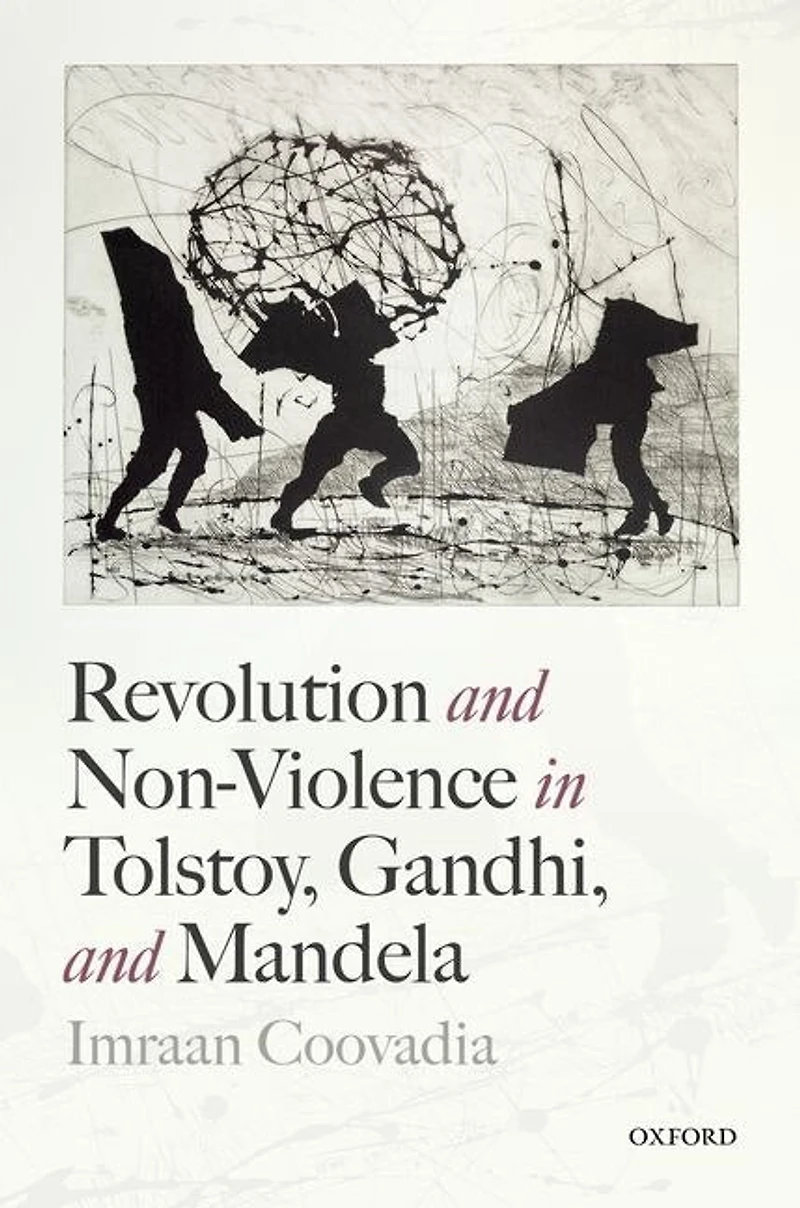
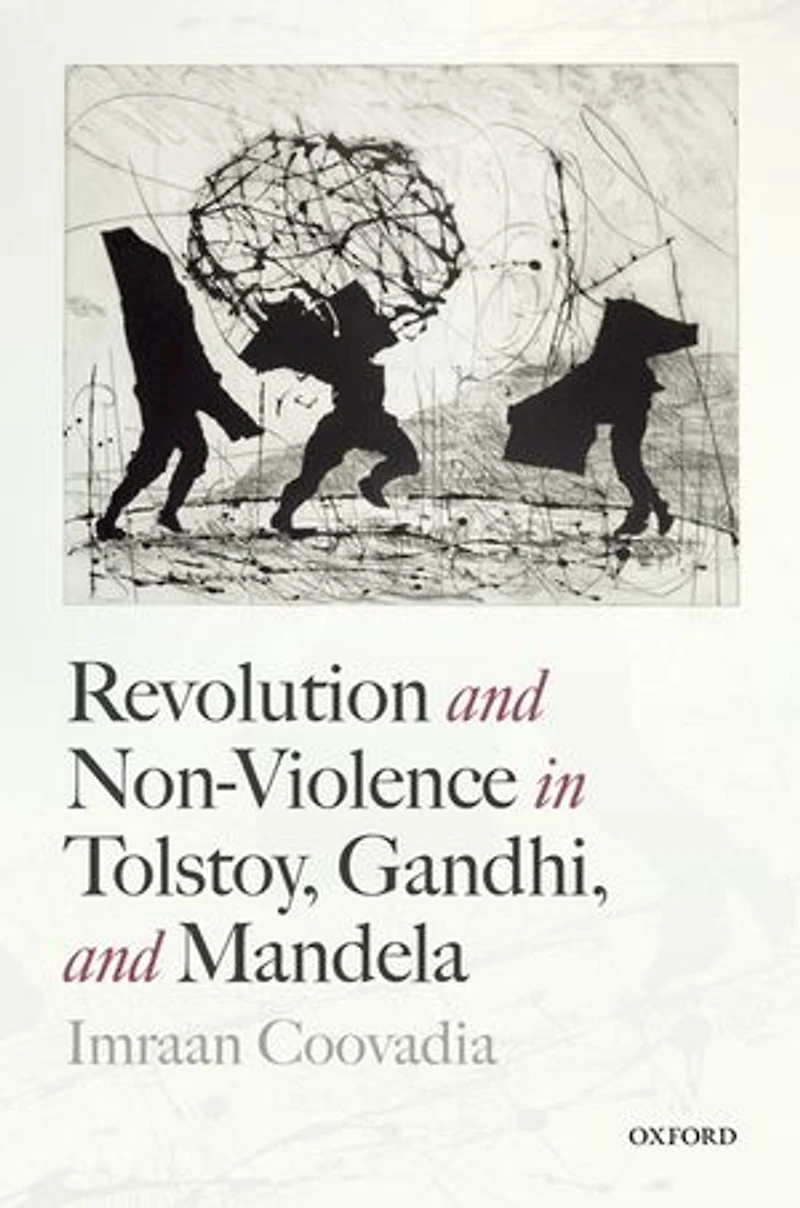
Revolution and Non-Violence Tolstoy, Gandhi, Mandela in Grande Prairie, AB
Current price: $133.99
Coles
Revolution and Non-Violence Tolstoy, Gandhi, Mandela in Grande Prairie, AB
Current price: $133.99
Loading Inventory...
Size: Hardcover
*Product information and pricing may vary - to confirm current pricing, availability, shipping, and return information please contact Coles. In the event of a pricing discrepancy, the retailer's price will apply.
The dangers of political violence and the possibilities of non-violence were the central themes of three lives which changed the twentieth century - Leo Tolstoy, writer and aristocrat who turned against his class, Mohandas Gandhi who corresponded with Tolstoy and considered him the most important person of the time, and Nelson Mandela, prisoner and statesman, who read War and Peace on Robben Island and who, despite having led a campaign of sabotage, saw himself as a successor to Gandhi.
Tolstoy, Gandhi, and Mandela tried to create transformed societies to replace the dying forms of colony and empire. They found the inequalities of Russia, India, and South Africa intolerable yet they questioned the wisdom of seizing the power of the state, creating new kinds of political organisation and imagination to replace the old promises of revolution. Their views, along with their ways of leading others, are closely connected, from their insistence on working with their own hands and reforming their individual selves to their acceptance of death. On three continents, in a century of mass mobilization and conflict, they promoted strains of nationalism devoid of antagonism, prepared to take part in a general peace.
Looking at Tolstoy, Gandhi, and Mandela in sequence, taking into account their letters and conversations as well as the institutions they created or subverted, placing at the centre their treatment of the primal fantasy of political violence, this volume reveals a vital radical tradition which stands outside the conventional categories of twentieth-century history and politics.
The dangers of political violence and the possibilities of non-violence were the central themes of three lives which changed the twentieth century - Leo Tolstoy, writer and aristocrat who turned against his class, Mohandas Gandhi who corresponded with Tolstoy and considered him the most important person of the time, and Nelson Mandela, prisoner and statesman, who read War and Peace on Robben Island and who, despite having led a campaign of sabotage, saw himself as a successor to Gandhi.
Tolstoy, Gandhi, and Mandela tried to create transformed societies to replace the dying forms of colony and empire. They found the inequalities of Russia, India, and South Africa intolerable yet they questioned the wisdom of seizing the power of the state, creating new kinds of political organisation and imagination to replace the old promises of revolution. Their views, along with their ways of leading others, are closely connected, from their insistence on working with their own hands and reforming their individual selves to their acceptance of death. On three continents, in a century of mass mobilization and conflict, they promoted strains of nationalism devoid of antagonism, prepared to take part in a general peace.
Looking at Tolstoy, Gandhi, and Mandela in sequence, taking into account their letters and conversations as well as the institutions they created or subverted, placing at the centre their treatment of the primal fantasy of political violence, this volume reveals a vital radical tradition which stands outside the conventional categories of twentieth-century history and politics.
You May Also Like








Find at Prairie Mall in Grande Prairie, AB
Visit at Prairie Mall in Grande Prairie, AB