


Gifting Made Simple
Give the Gift of ChoiceClick below to purchase a Prairie Mall eGift Card that can be used at participating retailers at Prairie Mall.Buy Gift CardHome
Rethinking Social Studies Teacher Education the Twenty-First Century
Coles
Loading Inventory...
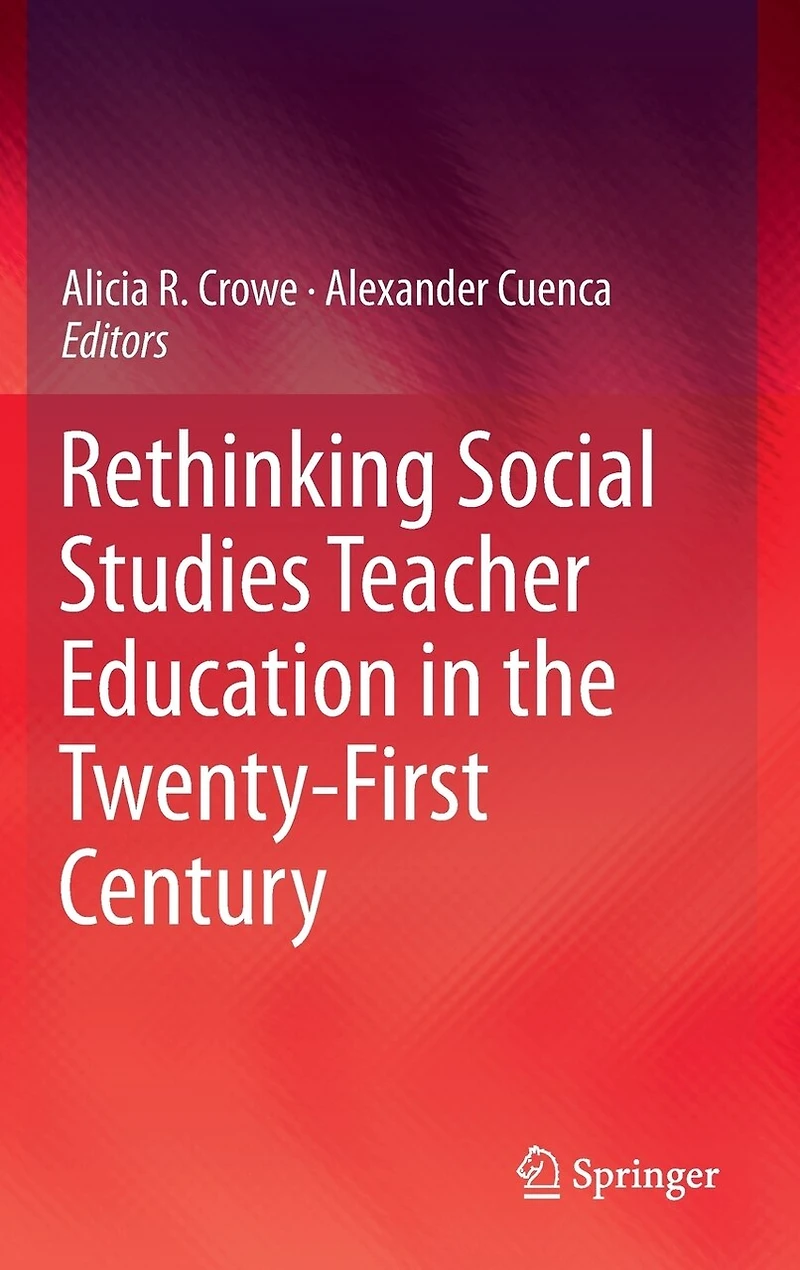
Rethinking Social Studies Teacher Education the Twenty-First Century in Grande Prairie, AB
Current price: $160.95
Coles
Rethinking Social Studies Teacher Education the Twenty-First Century in Grande Prairie, AB
Current price: $160.95
Loading Inventory...
Size: Hardcover
*Product information and pricing may vary - to confirm current pricing, availability, shipping, and return information please contact Coles. In the event of a pricing discrepancy, the retailer's price will apply.
In this volume teacher educators explicitly and implicitly share their visions for the purposes, experiences, and commitments necessary for social studies teacher preparation in the twenty-first century. It is divided into six sections where authors reconsider: 1) purposes, 2) course curricula, 3) collaboration with on-campus partners, 4) field experiences, 5) community connections, and 6) research and the political nature of social studies teacher education. The chapters within each section provide critical insights for social studies researchers, teacher educators, and teacher education programs. Whether readers begin to question what are we teaching social studies teachers for, who should we collaborate with to advance teacher learning, or how should we engage in the politics of teacher education, this volume leads us to consider what ideas, structures, and connections are most worthwhile for social studies teacher education in the twenty-first century to pursue.
In this volume teacher educators explicitly and implicitly share their visions for the purposes, experiences, and commitments necessary for social studies teacher preparation in the twenty-first century. It is divided into six sections where authors reconsider: 1) purposes, 2) course curricula, 3) collaboration with on-campus partners, 4) field experiences, 5) community connections, and 6) research and the political nature of social studies teacher education. The chapters within each section provide critical insights for social studies researchers, teacher educators, and teacher education programs. Whether readers begin to question what are we teaching social studies teachers for, who should we collaborate with to advance teacher learning, or how should we engage in the politics of teacher education, this volume leads us to consider what ideas, structures, and connections are most worthwhile for social studies teacher education in the twenty-first century to pursue.
You May Also Like











Find at Prairie Mall in Grande Prairie, AB
Visit at Prairie Mall in Grande Prairie, AB