


Gifting Made Simple
Give the Gift of ChoiceClick below to purchase a Prairie Mall eGift Card that can be used at participating retailers at Prairie Mall.Buy Gift CardHome
Rethinking Comparison: Innovative Methods For Qualitative Political Inquiry
Coles
Loading Inventory...
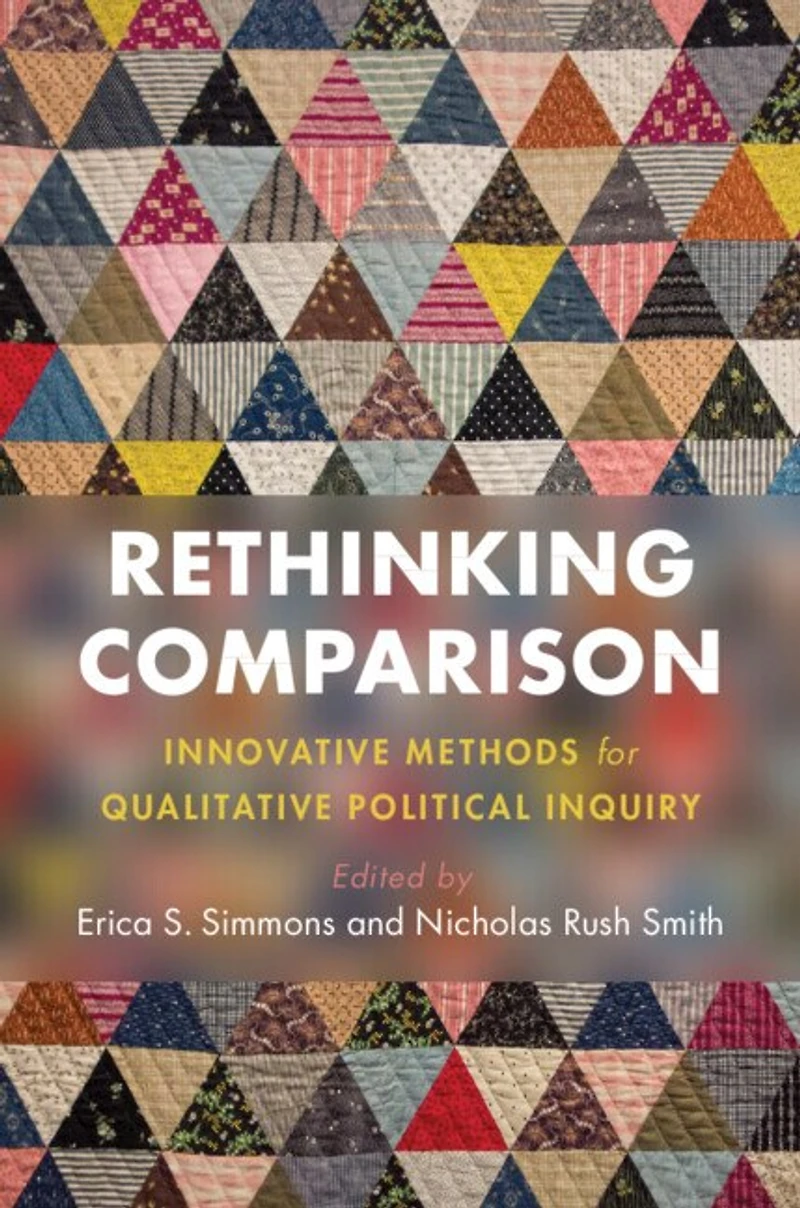
Rethinking Comparison: Innovative Methods For Qualitative Political Inquiry in Grande Prairie, AB
Current price: $160.95
Coles
Rethinking Comparison: Innovative Methods For Qualitative Political Inquiry in Grande Prairie, AB
Current price: $160.95
Loading Inventory...
Size: Hardcover
*Product information and pricing may vary - to confirm current pricing, availability, shipping, and return information please contact Coles. In the event of a pricing discrepancy, the retailer's price will apply.
Qualitative comparative methods – and specifically controlled qualitative comparisons – are central to the study of politics. They are not the only kind of comparison, though, that can help us better understand political processes and outcomes. Yet there are few guides for how to conduct non-controlled comparative research. This volume brings together chapters from more than a dozen leading methods scholars from across the discipline of political science, including positivist and interpretivist scholars, qualitative methodologists, mixed-methods researchers, ethnographers, historians, and statisticians. Their work revolutionizes qualitative research design by diversifying the repertoire of comparative methods available to students of politics, offering readers clear suggestions for what kinds of comparisons might be possible, why they are useful, and how to execute them. By systematically thinking through how we engage in qualitative comparisons and the kinds of insights those comparisons produce, these collected essays create new possibilities to advance what we know about politics.
Qualitative comparative methods – and specifically controlled qualitative comparisons – are central to the study of politics. They are not the only kind of comparison, though, that can help us better understand political processes and outcomes. Yet there are few guides for how to conduct non-controlled comparative research. This volume brings together chapters from more than a dozen leading methods scholars from across the discipline of political science, including positivist and interpretivist scholars, qualitative methodologists, mixed-methods researchers, ethnographers, historians, and statisticians. Their work revolutionizes qualitative research design by diversifying the repertoire of comparative methods available to students of politics, offering readers clear suggestions for what kinds of comparisons might be possible, why they are useful, and how to execute them. By systematically thinking through how we engage in qualitative comparisons and the kinds of insights those comparisons produce, these collected essays create new possibilities to advance what we know about politics.
You May Also Like
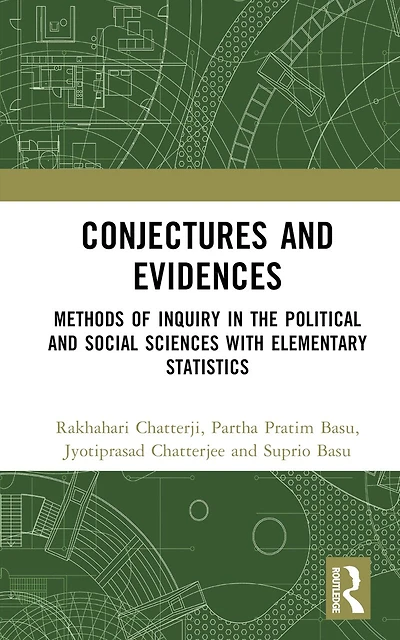
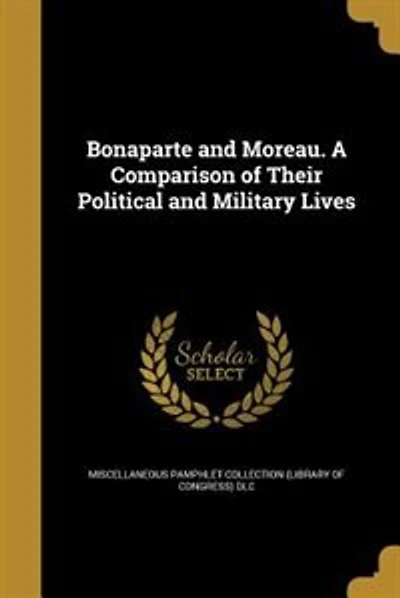









Find at Prairie Mall in Grande Prairie, AB
Visit at Prairie Mall in Grande Prairie, AB