


Gifting Made Simple
Give the Gift of ChoiceClick below to purchase a Prairie Mall eGift Card that can be used at participating retailers at Prairie Mall.Buy Gift CardHome
Representations of Technoculture Don DeLillo's Novels
Coles
Loading Inventory...
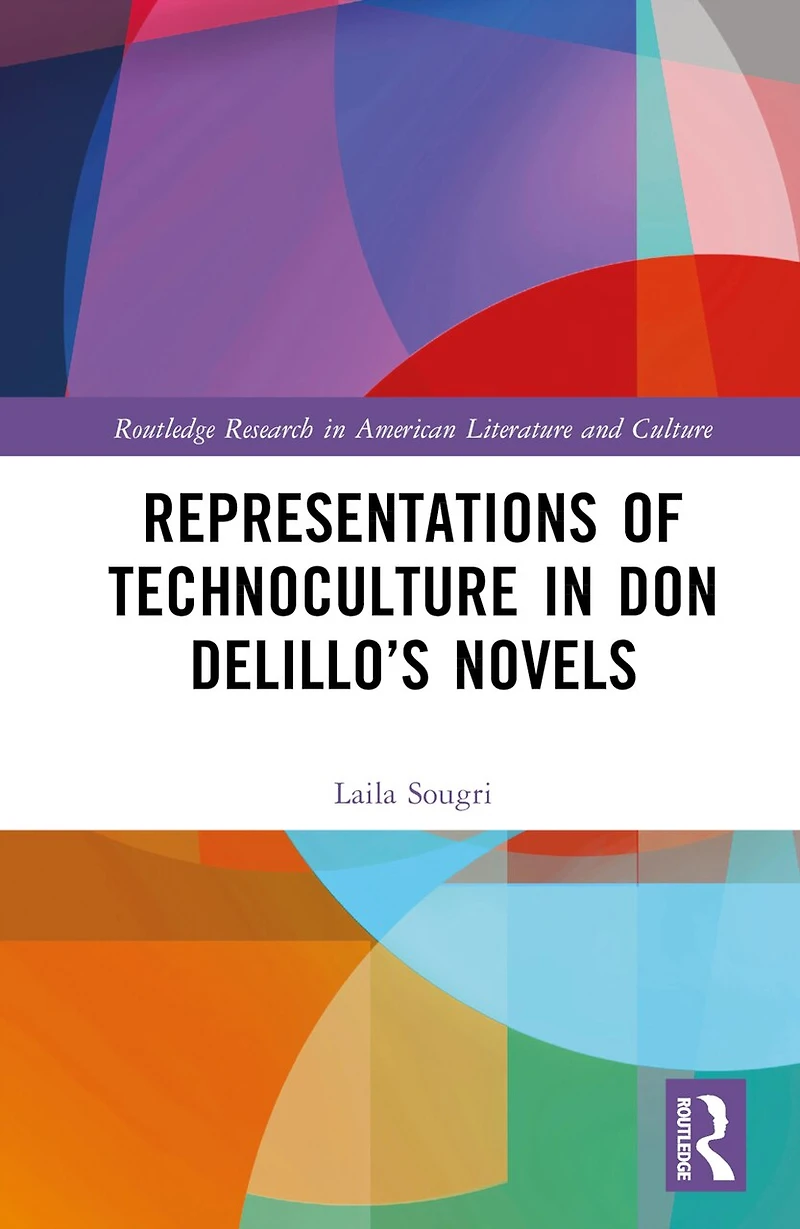
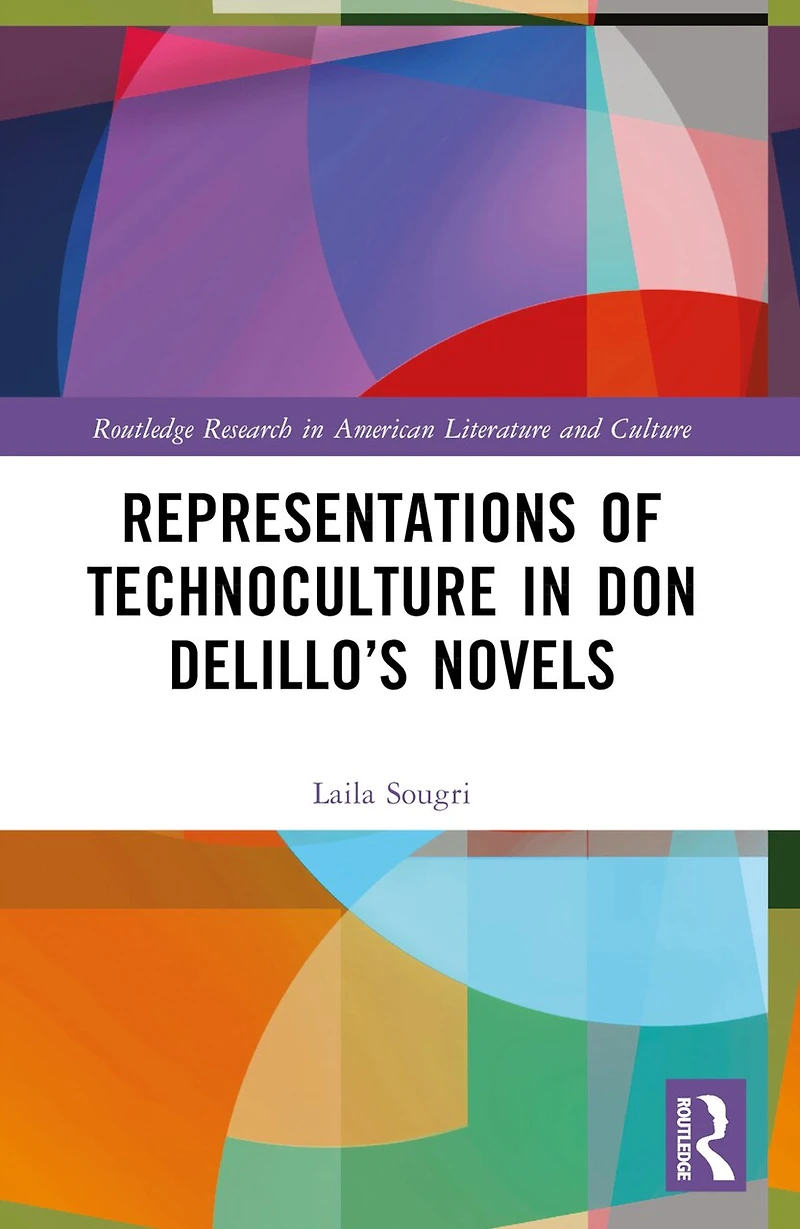
Representations of Technoculture Don DeLillo's Novels in Grande Prairie, AB
Current price: $333.50
Coles
Representations of Technoculture Don DeLillo's Novels in Grande Prairie, AB
Current price: $333.50
Loading Inventory...
Size: Hardcover
*Product information and pricing may vary - to confirm current pricing, availability, shipping, and return information please contact Coles. In the event of a pricing discrepancy, the retailer's price will apply.
This book is the first to explore technoculture in all of Don DeLillo's novels. From Americana (1971) to The Silence (2020), the American author anatomizes the constantly changing relationship between culture and technology in overt and layered aspects of the characters' experiences. Through a tendency to discover and rediscover technocultural modes of appearance, DeLillo emphasizes settings wherein technological progress is implicated in cultural imperatives. This study brings forth representations of such implication/interaction through various themes, particularly perception, history, reality, space/architecture, information, and the posthuman. The chapters are based on a thematic structure that weaves DeLillo's novels with the rich literary criticism produced on the author, and with the various theoretical frameworks of technoculture. This leads to the formulation and elaboration on numerous objects of research extracted from DeLillo's novels, namely: the theorization of DeLillo's "radiance in dailiness," the investigation of various uses of technology as an extension, the role of image technologies in redefining history, the reconceptualization of the ethical and behavioral aspects of reality, the development of tele-visual and embodied perceptions in various technocultural spaces, and the involvement of information technologies in reconstructing the beliefs, behaviors, and activities of the posthuman. One of the main aims of the study is to show how DeLillo's novels bring to light the constant transformation of technocultural everydayness. It is argued that though such transformation is confusing or resisted at times, it points to a transitional mode of being. This transitional state does not dehumanize DeLillo's characters; it reveals their humanity in a continually changing world.
This book is the first to explore technoculture in all of Don DeLillo's novels. From Americana (1971) to The Silence (2020), the American author anatomizes the constantly changing relationship between culture and technology in overt and layered aspects of the characters' experiences. Through a tendency to discover and rediscover technocultural modes of appearance, DeLillo emphasizes settings wherein technological progress is implicated in cultural imperatives. This study brings forth representations of such implication/interaction through various themes, particularly perception, history, reality, space/architecture, information, and the posthuman. The chapters are based on a thematic structure that weaves DeLillo's novels with the rich literary criticism produced on the author, and with the various theoretical frameworks of technoculture. This leads to the formulation and elaboration on numerous objects of research extracted from DeLillo's novels, namely: the theorization of DeLillo's "radiance in dailiness," the investigation of various uses of technology as an extension, the role of image technologies in redefining history, the reconceptualization of the ethical and behavioral aspects of reality, the development of tele-visual and embodied perceptions in various technocultural spaces, and the involvement of information technologies in reconstructing the beliefs, behaviors, and activities of the posthuman. One of the main aims of the study is to show how DeLillo's novels bring to light the constant transformation of technocultural everydayness. It is argued that though such transformation is confusing or resisted at times, it points to a transitional mode of being. This transitional state does not dehumanize DeLillo's characters; it reveals their humanity in a continually changing world.
You May Also Like















Find at Prairie Mall in Grande Prairie, AB
Visit at Prairie Mall in Grande Prairie, AB