


Gifting Made Simple
Give the Gift of ChoiceClick below to purchase a Prairie Mall eGift Card that can be used at participating retailers at Prairie Mall.Buy Gift CardHome
Religious Pluralism and Interreligious Theology: The Gifford Lectures
Coles
Loading Inventory...
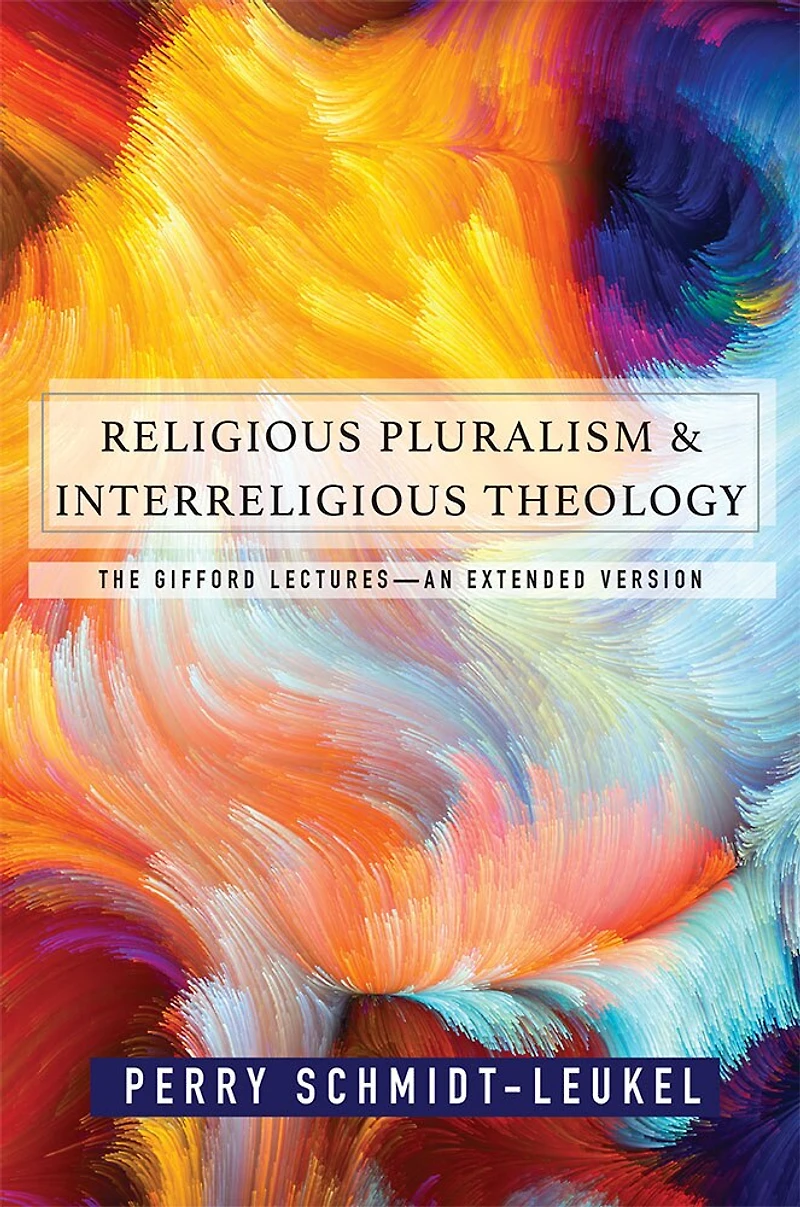
Religious Pluralism and Interreligious Theology: The Gifford Lectures in Grande Prairie, AB
Current price: $64.99
Coles
Religious Pluralism and Interreligious Theology: The Gifford Lectures in Grande Prairie, AB
Current price: $64.99
Loading Inventory...
Size: Paperback
*Product information and pricing may vary - to confirm current pricing, availability, shipping, and return information please contact Coles. In the event of a pricing discrepancy, the retailer's price will apply.
Interreligious dialogue has encouraged many theologians in all major religious traditions to consider whether other religions may offer a different but nevertheless genuine and valid path of salvation or liberation. Perry Schmidt-Leukel, in this extended version of his 2015 Gifford Lectures, argues that this position often called "religious pluralism must be developed within particular insights supplied by each of the major traditions. Although severe barriers to religious pluralism exist within each tradition, he shows nevertheless that possibilities for a pluralist understanding exist in Christianity, Judaism, Islam, Hinduism, Buddhism, and Chinese religions. Interreligious theology, he argues, carries the promise of being the theology of the future.
Interreligious dialogue has encouraged many theologians in all major religious traditions to consider whether other religions may offer a different but nevertheless genuine and valid path of salvation or liberation. Perry Schmidt-Leukel, in this extended version of his 2015 Gifford Lectures, argues that this position often called "religious pluralism must be developed within particular insights supplied by each of the major traditions. Although severe barriers to religious pluralism exist within each tradition, he shows nevertheless that possibilities for a pluralist understanding exist in Christianity, Judaism, Islam, Hinduism, Buddhism, and Chinese religions. Interreligious theology, he argues, carries the promise of being the theology of the future.
You May Also Like











Find at Prairie Mall in Grande Prairie, AB
Visit at Prairie Mall in Grande Prairie, AB