


Gifting Made Simple
Give the Gift of ChoiceClick below to purchase a Prairie Mall eGift Card that can be used at participating retailers at Prairie Mall.Buy Gift CardHome
Reflections on Crime and Culpability: Problems Puzzles
Coles
Loading Inventory...
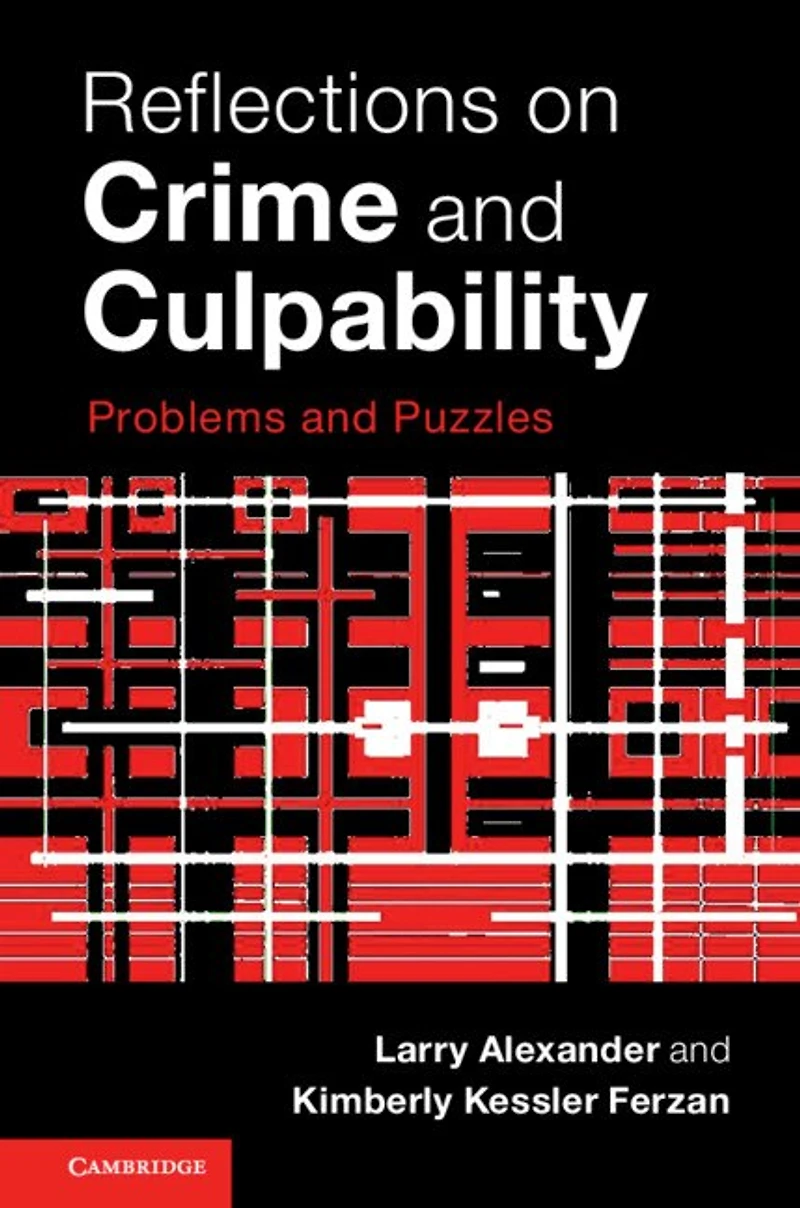
Reflections on Crime and Culpability: Problems Puzzles in Grande Prairie, AB
Current price: $142.95
Coles
Reflections on Crime and Culpability: Problems Puzzles in Grande Prairie, AB
Current price: $142.95
Loading Inventory...
Size: Hardcover
*Product information and pricing may vary - to confirm current pricing, availability, shipping, and return information please contact Coles. In the event of a pricing discrepancy, the retailer's price will apply.
In 2009, Larry Alexander and Kimberly Ferzan published Crime and Culpability: A Theory of Criminal Law. The book set out a theory that those who deserve punishment should receive punishment commensurate with, but no greater than, that which they deserve. Reflections on Crime and Culpability: Problems and Puzzles expands on their innovative ideas on the application of punishment in criminal law. Theorists working in criminal law theory presuppose or ignore puzzles that lurk beneath the surface. Now those who wish to examine these topics will have one monograph that combines the disparate puzzles in criminal law through a unified approach to culpability. Along with some suggestions as to how they might resolve the puzzles, Alexander and Ferzan lay out the arguments and analysis so future scholars can engage with questions about our understanding of culpability that very few have addressed.
In 2009, Larry Alexander and Kimberly Ferzan published Crime and Culpability: A Theory of Criminal Law. The book set out a theory that those who deserve punishment should receive punishment commensurate with, but no greater than, that which they deserve. Reflections on Crime and Culpability: Problems and Puzzles expands on their innovative ideas on the application of punishment in criminal law. Theorists working in criminal law theory presuppose or ignore puzzles that lurk beneath the surface. Now those who wish to examine these topics will have one monograph that combines the disparate puzzles in criminal law through a unified approach to culpability. Along with some suggestions as to how they might resolve the puzzles, Alexander and Ferzan lay out the arguments and analysis so future scholars can engage with questions about our understanding of culpability that very few have addressed.
You May Also Like










Find at Prairie Mall in Grande Prairie, AB
Visit at Prairie Mall in Grande Prairie, AB