


Gifting Made Simple
Give the Gift of ChoiceClick below to purchase a Prairie Mall eGift Card that can be used at participating retailers at Prairie Mall.Buy Gift CardHome
Reduction, Emergence and the Metaphysics Science
Coles
Loading Inventory...
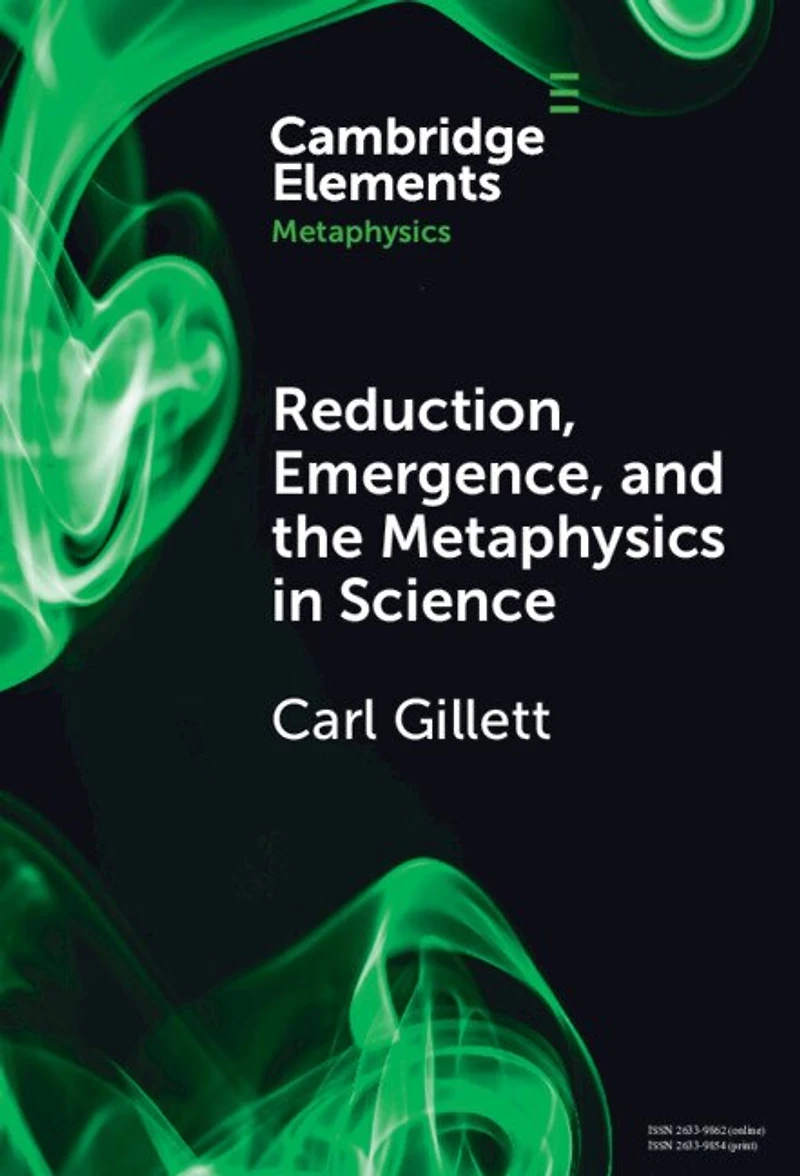
Reduction, Emergence and the Metaphysics Science in Grande Prairie, AB
Current price: $94.73
Coles
Reduction, Emergence and the Metaphysics Science in Grande Prairie, AB
Current price: $94.73
Loading Inventory...
Size: Hardcover
*Product information and pricing may vary - to confirm current pricing, availability, shipping, and return information please contact Coles. In the event of a pricing discrepancy, the retailer's price will apply.
This Element offers a fresh treatment of the two cycles of reduction-emergence debates in the sciences and their 'reductionist' and 'emergentist' positions. It suggests philosophers have neglected the compositional models/explanations, and 'endogenous' kind of metaphysics, central to these debates. It highlights how such endogenous metaphysics underpins what is termed the 'Dynamic Cycle,' by which scientists develop novel ontological concepts to underwrite new models/explanations to solve scientific problems. And it subsequently shows that the 'reductionist' and 'emergentist' views in the scientific debates follow the Dynamic Cycle. In the first cycle of debates, in the early twentieth century, the Element outlines how 'everyday reductionism' pioneered a novel family of compositional models/explanations in one of the most successful research movements in twentieth-century science. And, in present debates, it frames contemporary emergentist positions offering ontological innovations, underwriting new families of models, to address problems at the cutting-edge of twenty-first-century science.
This Element offers a fresh treatment of the two cycles of reduction-emergence debates in the sciences and their 'reductionist' and 'emergentist' positions. It suggests philosophers have neglected the compositional models/explanations, and 'endogenous' kind of metaphysics, central to these debates. It highlights how such endogenous metaphysics underpins what is termed the 'Dynamic Cycle,' by which scientists develop novel ontological concepts to underwrite new models/explanations to solve scientific problems. And it subsequently shows that the 'reductionist' and 'emergentist' views in the scientific debates follow the Dynamic Cycle. In the first cycle of debates, in the early twentieth century, the Element outlines how 'everyday reductionism' pioneered a novel family of compositional models/explanations in one of the most successful research movements in twentieth-century science. And, in present debates, it frames contemporary emergentist positions offering ontological innovations, underwriting new families of models, to address problems at the cutting-edge of twenty-first-century science.
You May Also Like









Find at Prairie Mall in Grande Prairie, AB
Visit at Prairie Mall in Grande Prairie, AB