


Gifting Made Simple
Give the Gift of ChoiceClick below to purchase a Prairie Mall eGift Card that can be used at participating retailers at Prairie Mall.Buy Gift CardHome
Reconfigurable Cellular Neural Networks and Their Applications
Coles
Loading Inventory...
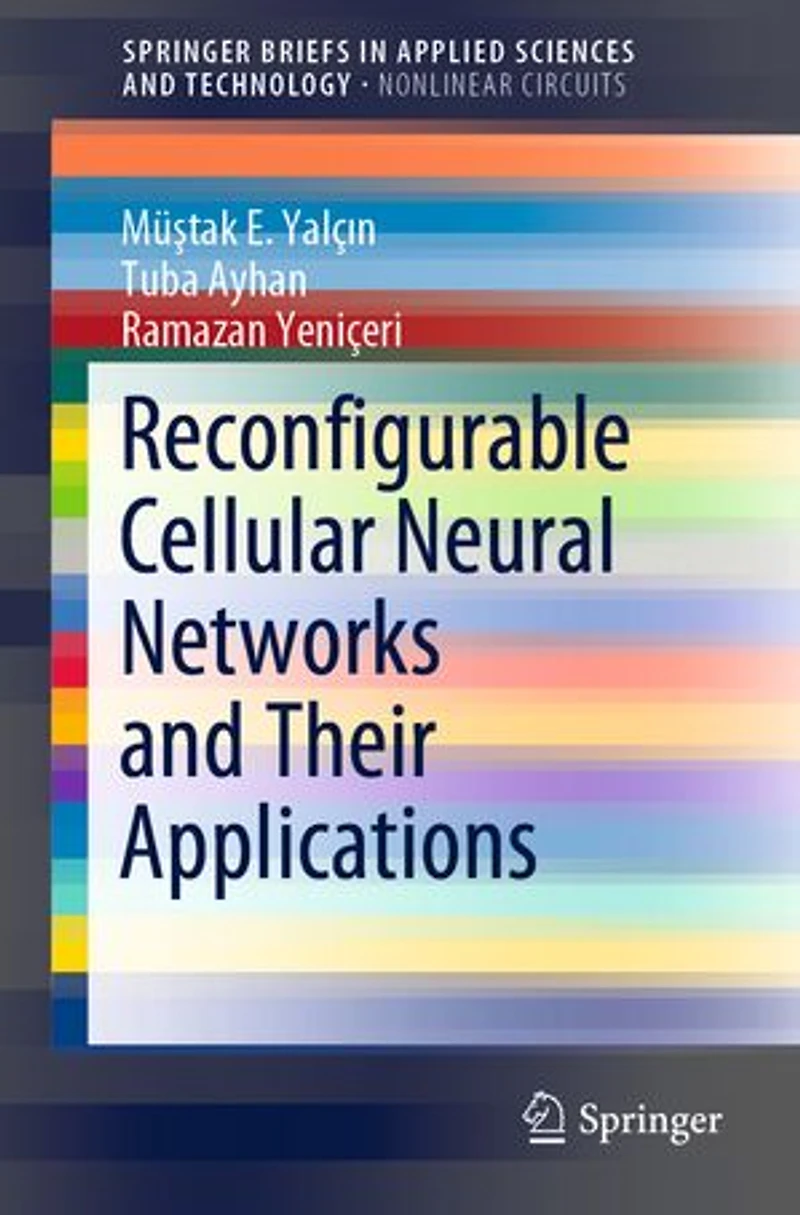
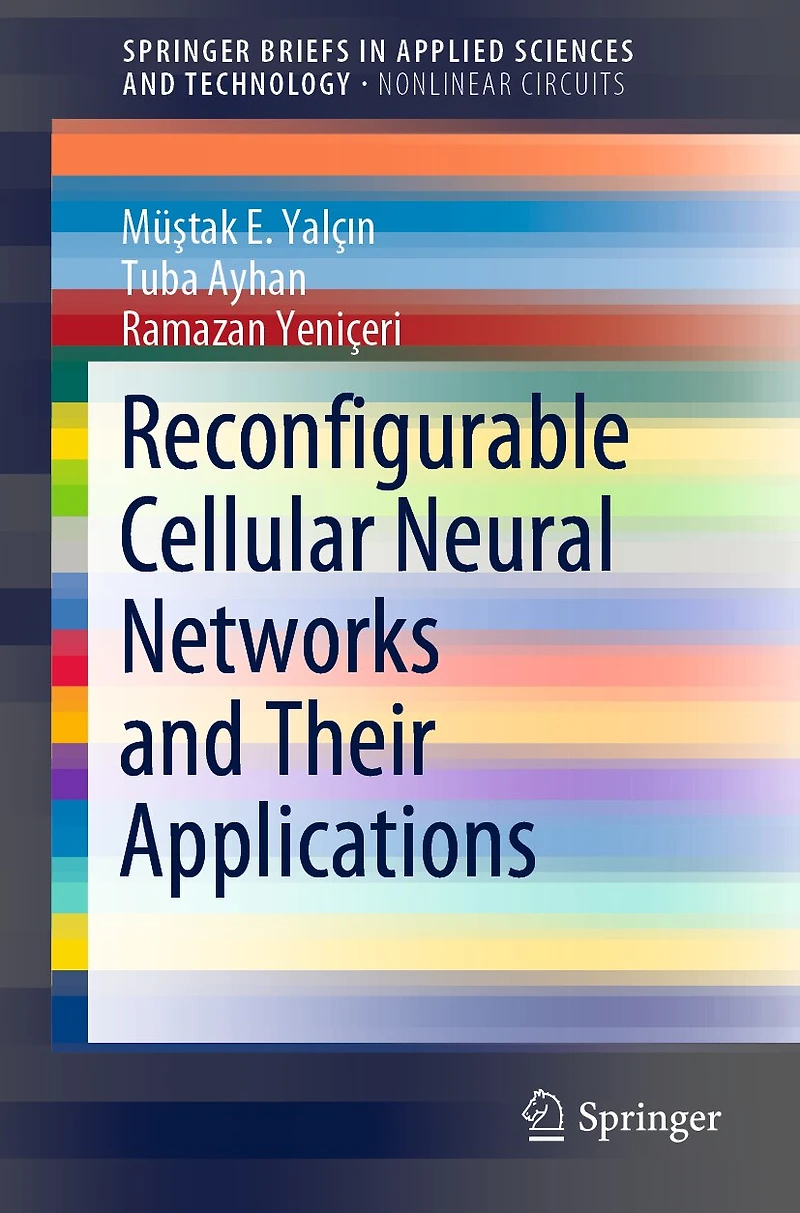
Reconfigurable Cellular Neural Networks and Their Applications in Grande Prairie, AB
Current price: $64.49
Original price: $80.62
Coles
Reconfigurable Cellular Neural Networks and Their Applications in Grande Prairie, AB
Current price: $64.49
Original price: $80.62
Loading Inventory...
Size: Kobo eBook
*Product information and pricing may vary - to confirm current pricing, availability, shipping, and return information please contact Coles. In the event of a pricing discrepancy, the retailer's price will apply.
This book explores how neural networks can be designed to analyze sensory data in a way that mimics natural systems. It introduces readers to the cellular neural network (CNN) and formulates it to match the behavior of the Wilson-Cowan model. In turn, two properties that are vital in nature are added to the CNN to help it more accurately deliver mimetic behavior: randomness of connection, and the presence of different dynamics (excitatory and inhibitory) within the same network. It uses an ID matrix to determine the location of excitatory and inhibitory neurons, and to reconfigure the network to optimize its topology. The book demonstrates that reconfiguring a single-layer CNN is an easier and more flexible solution than the procedure required in a multilayer CNN, in which excitatory and inhibitory neurons are separate, and that the key CNN criteria of a spatially invariant template and local coupling are fulfilled. In closing, the application of the authors' neuron population model as a feature extractor is exemplified using odor and electroencephalogram classification.
This book explores how neural networks can be designed to analyze sensory data in a way that mimics natural systems. It introduces readers to the cellular neural network (CNN) and formulates it to match the behavior of the Wilson-Cowan model. In turn, two properties that are vital in nature are added to the CNN to help it more accurately deliver mimetic behavior: randomness of connection, and the presence of different dynamics (excitatory and inhibitory) within the same network. It uses an ID matrix to determine the location of excitatory and inhibitory neurons, and to reconfigure the network to optimize its topology. The book demonstrates that reconfiguring a single-layer CNN is an easier and more flexible solution than the procedure required in a multilayer CNN, in which excitatory and inhibitory neurons are separate, and that the key CNN criteria of a spatially invariant template and local coupling are fulfilled. In closing, the application of the authors' neuron population model as a feature extractor is exemplified using odor and electroencephalogram classification.
You May Also Like













Find at Prairie Mall in Grande Prairie, AB
Visit at Prairie Mall in Grande Prairie, AB