


Gifting Made Simple
Give the Gift of ChoiceClick below to purchase a Prairie Mall eGift Card that can be used at participating retailers at Prairie Mall.Buy Gift CardHome
Realizing Capital: Financial And Psychic Economies Victorian Form
Coles
Loading Inventory...
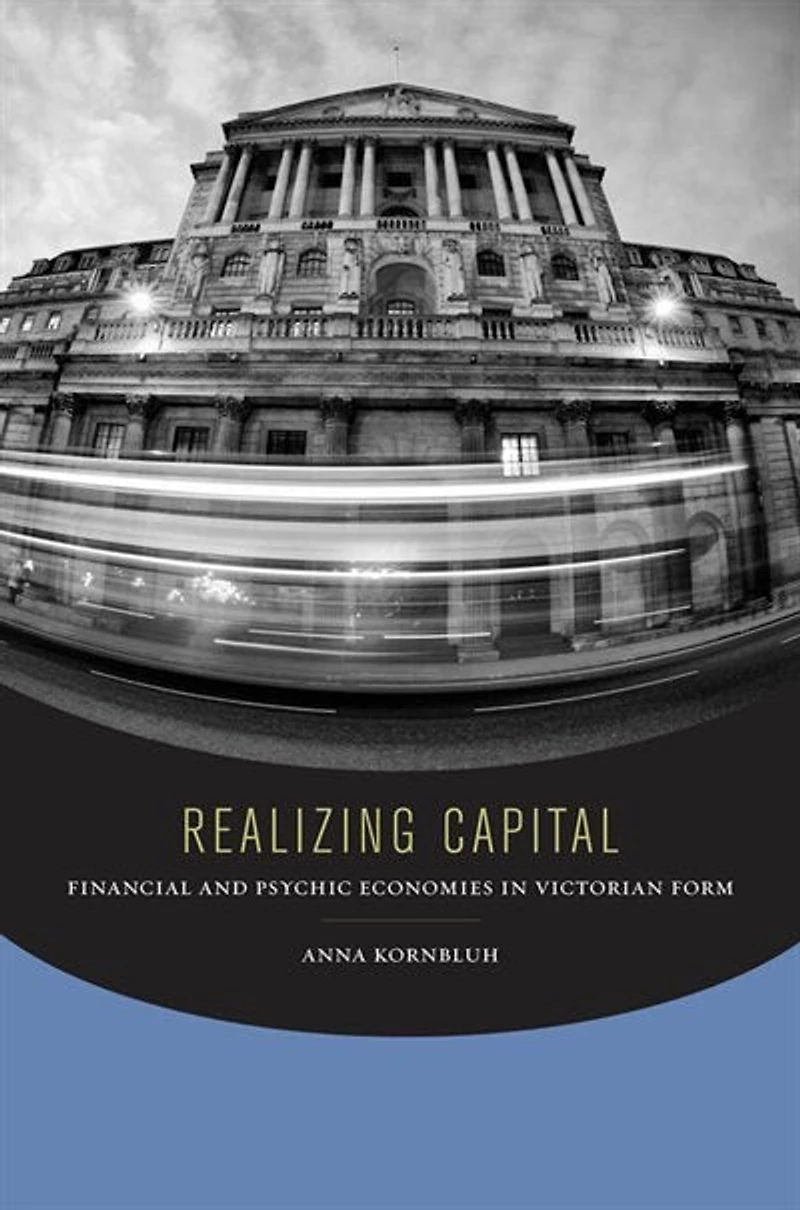
Realizing Capital: Financial And Psychic Economies Victorian Form in Grande Prairie, AB
Current price: $75.99
Coles
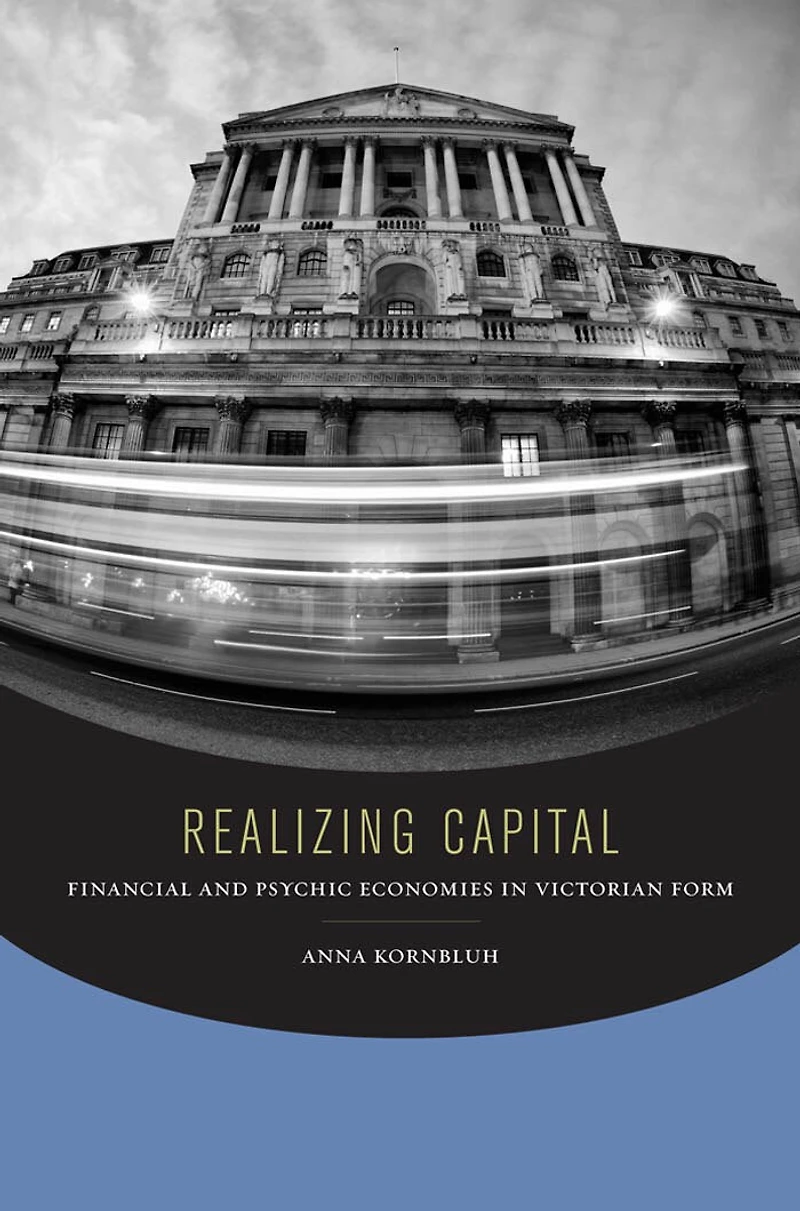
Realizing Capital: Financial And Psychic Economies Victorian Form in Grande Prairie, AB
Current price: $75.99
Loading Inventory...
Size: Hardcover
*Product information and pricing may vary - to confirm current pricing, availability, shipping, and return information please contact Coles. In the event of a pricing discrepancy, the retailer's price will apply.
During a tumultuous period when financial speculation began rapidly to outpace industrial production and consumption, Victorian financial journalists commonly explained the instability of finance by criticizing its inherent artifice—drawing persistent attention to what they called “fictitious capital.” In a shift that naturalized this artifice, this critique of fictitious capital virtually disappeared by the 1860s, replaced by notions of fickle investor psychology and mental equilibrium encapsulated in the fascinating metaphor of “psychic economy.”
In close rhetorical readings of financial journalism, political economy, and the works of Dickens, Eliot, and Trollope, Kornbluh examines the psychological framing of economics, one of the nineteenth century’s most enduring legacies, reminding us that the current dominant paradigm for understanding financial crisis has a history of its own. She shows how novels illuminate this displacement and ironize ideological metaphors linking psychology and economics, thus demonstrating literature’s unique facility for evaluating ideas in process. Inheritors of this novelistic project, Marx and Freud each advance a critique of psychic economy that refuses to naturalize capitalism.
During a tumultuous period when financial speculation began rapidly to outpace industrial production and consumption, Victorian financial journalists commonly explained the instability of finance by criticizing its inherent artifice—drawing persistent attention to what they called “fictitious capital.” In a shift that naturalized this artifice, this critique of fictitious capital virtually disappeared by the 1860s, replaced by notions of fickle investor psychology and mental equilibrium encapsulated in the fascinating metaphor of “psychic economy.”
In close rhetorical readings of financial journalism, political economy, and the works of Dickens, Eliot, and Trollope, Kornbluh examines the psychological framing of economics, one of the nineteenth century’s most enduring legacies, reminding us that the current dominant paradigm for understanding financial crisis has a history of its own. She shows how novels illuminate this displacement and ironize ideological metaphors linking psychology and economics, thus demonstrating literature’s unique facility for evaluating ideas in process. Inheritors of this novelistic project, Marx and Freud each advance a critique of psychic economy that refuses to naturalize capitalism.
You May Also Like








Find at Prairie Mall in Grande Prairie, AB
Visit at Prairie Mall in Grande Prairie, AB