


Gifting Made Simple
Give the Gift of ChoiceClick below to purchase a Prairie Mall eGift Card that can be used at participating retailers at Prairie Mall.Buy Gift CardHome
Reality and Rhetoric: Studies in the Economics of Development
Coles
Loading Inventory...
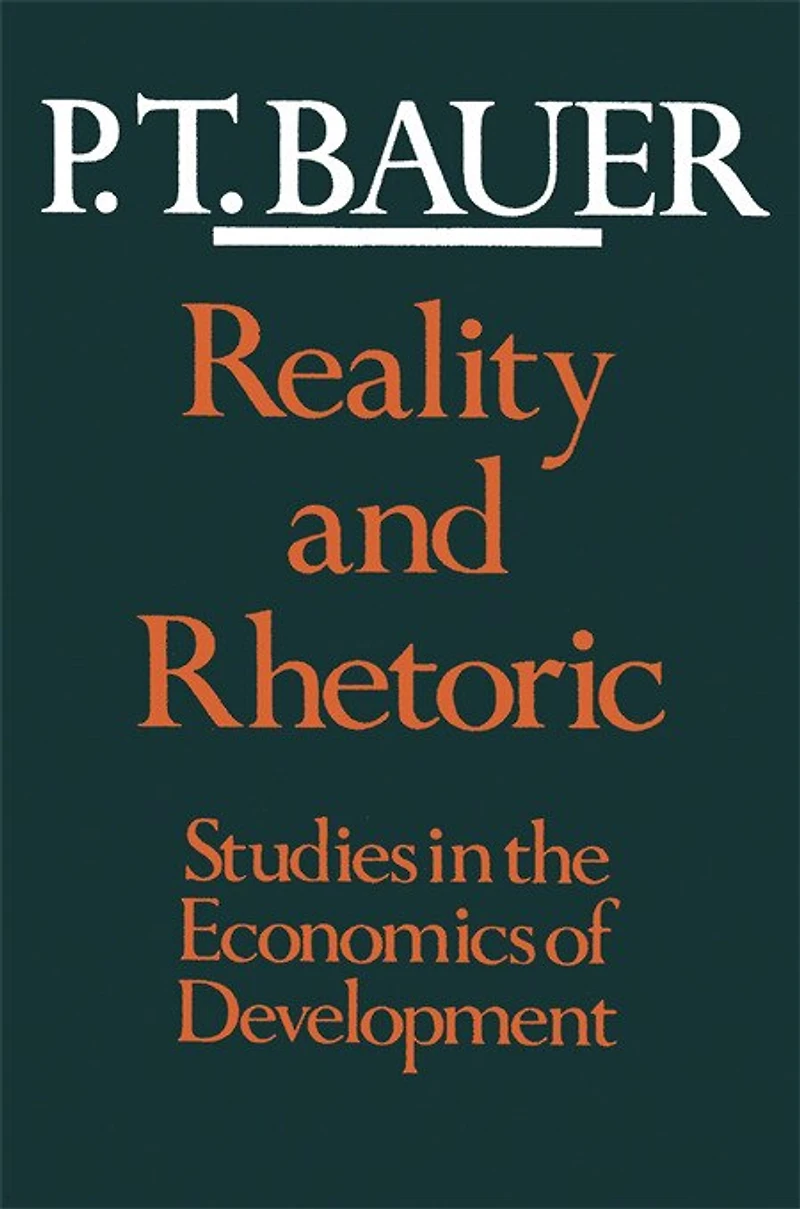
Reality and Rhetoric: Studies in the Economics of Development in Grande Prairie, AB
Current price: $44.58
Coles
Reality and Rhetoric: Studies in the Economics of Development in Grande Prairie, AB
Current price: $44.58
Loading Inventory...
Size: Paperback
*Product information and pricing may vary - to confirm current pricing, availability, shipping, and return information please contact Coles. In the event of a pricing discrepancy, the retailer's price will apply.
Reality and Rhetoric is the culmination of P. T. Bauer’s observations and reflections on Third World economies over a period of thirty years. He critically examines the central issues of market versus centrally planned economies, industrial development, official direct and multinational resource transfers to the Third World, immigration policy in the Third World, and economic methodology. In addition, he has written a fascinating account of recent papal doctrine on income inequality and redistribution in the Third World. The major themes that emerge are the importance of non-economic variables, particularly people’s aptitudes and mores, to economic growth; the unfortunate results of some current methods of economics; the subtle but important effects of the exchange economy on development; and the politicization of economic life in the Third World.
As in Bauer’s previous writings, this book is marked by elegant prose, apt examples, a broad economic-historical perspective, and the masterful use of informal reasoning.
Reality and Rhetoric is the culmination of P. T. Bauer’s observations and reflections on Third World economies over a period of thirty years. He critically examines the central issues of market versus centrally planned economies, industrial development, official direct and multinational resource transfers to the Third World, immigration policy in the Third World, and economic methodology. In addition, he has written a fascinating account of recent papal doctrine on income inequality and redistribution in the Third World. The major themes that emerge are the importance of non-economic variables, particularly people’s aptitudes and mores, to economic growth; the unfortunate results of some current methods of economics; the subtle but important effects of the exchange economy on development; and the politicization of economic life in the Third World.
As in Bauer’s previous writings, this book is marked by elegant prose, apt examples, a broad economic-historical perspective, and the masterful use of informal reasoning.
You May Also Like









Find at Prairie Mall in Grande Prairie, AB
Visit at Prairie Mall in Grande Prairie, AB