


Gifting Made Simple
Give the Gift of ChoiceClick below to purchase a Prairie Mall eGift Card that can be used at participating retailers at Prairie Mall.Buy Gift CardHome
Reading the Walls of Bogotá: Graffiti, Street Art, and the Urban Imaginary of Violence
Coles
Loading Inventory...
Reading the Walls of Bogotá: Graffiti, Street Art, and the Urban Imaginary of Violence
By None
Current price: $66.39
Original price: $82.99
Coles
Reading the Walls of Bogotá: Graffiti, Street Art, and the Urban Imaginary of Violence
By None
Current price: $66.39
Original price: $82.99
Loading Inventory...
Size: Kobo eBook
*Product information and pricing may vary - to confirm current pricing, availability, shipping, and return information please contact Coles. In the event of a pricing discrepancy, the retailer's price will apply.
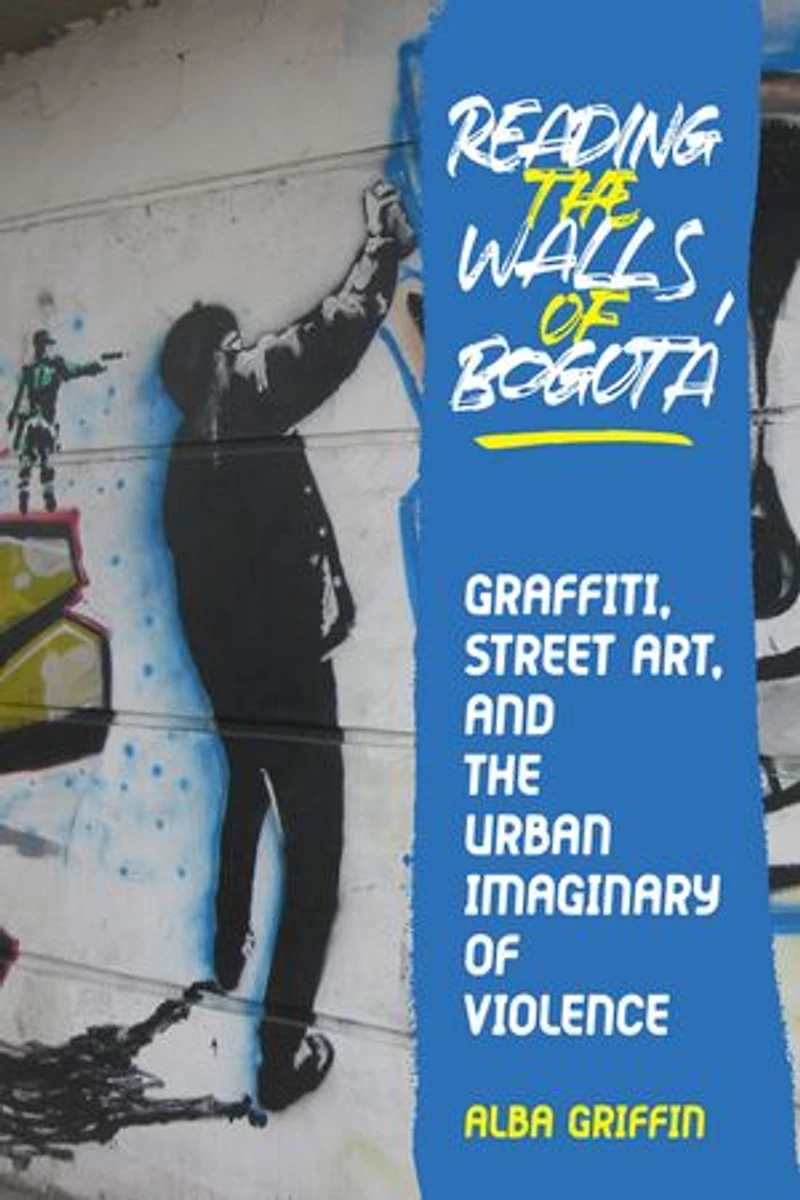
A cultural imaginary is a structuring space through which collective understandings of cultural and society phenomena are formed, reproduced, and accepted as the norm. Reading the Walls of Bogotá uses graffiti and street art to explore the urban imaginaries of violence in Bogotá, Colombia. These artistic forms are produced and received in different ways in different areas of the city and offer an insight into citizens’ everyday experiences and perceptions of violence from the political, to the personal, to that of structural inequality. Through graffiti, in which critiques of memory, space, politics, and aesthetics are embedded, artists and their viewers form vernacular theories through which they interpret the world and the spaces they inhabit. By focusing on creative expression, Alba Griffin shows how Bogotá’s residents respond to imaginaries of violence, how they critique the norms, how they appropriate space to challenge or negotiate violence, and how they push back against inequality.
A cultural imaginary is a structuring space through which collective understandings of cultural and society phenomena are formed, reproduced, and accepted as the norm. Reading the Walls of Bogotá uses graffiti and street art to explore the urban imaginaries of violence in Bogotá, Colombia. These artistic forms are produced and received in different ways in different areas of the city and offer an insight into citizens’ everyday experiences and perceptions of violence from the political, to the personal, to that of structural inequality. Through graffiti, in which critiques of memory, space, politics, and aesthetics are embedded, artists and their viewers form vernacular theories through which they interpret the world and the spaces they inhabit. By focusing on creative expression, Alba Griffin shows how Bogotá’s residents respond to imaginaries of violence, how they critique the norms, how they appropriate space to challenge or negotiate violence, and how they push back against inequality.








More About Coles at Prairie Mall
11801 100 St #104, Grande Prairie, AB T8V 3Y2, Canada
Find Coles at Prairie Mall in Grande Prairie, AB
Visit Coles at Prairie Mall in Grande Prairie, AB